Overview
Understanding your commercial lease responsibilities is critical if you want to avoid unexpected dilapidations claims at lease end. Across the UK’s major logistics and industrial hubs from the Golden Logistics Triangle (Rugby, Daventry, DIRFT, Lutterworth, Magna Park) to the Midlands, North West, Yorkshire, South East and port-centric logistics corridors we regularly see tenants caught out by repair and maintenance obligations they did not fully appreciate at the outset.
Many occupiers assume that being a “reasonable” or “good” tenant is enough. In reality, commercial lease repair covenants are legal obligations, not matters of discretion. If misunderstood or ignored, they can result in significant terminal dilapidations exposure.
This guide explains:
What repair obligations typically apply under commercial leases?
How to identify which responsibilities sit with you as the tenant?
How to spot and manage potential dilapidation issues before they escalate?
Speak to a member of the team
What Are Lease Obligations for Property Maintenance and Repairs?
Most commercial properties particularly industrial units, warehouses and logistics assets are let on Fully Repairing and Insuring (FRI) leases. Under an FRI lease, the tenant is usually responsible for:
- Structure and envelope (including roof, walls and floors)
- External elements (cladding, loading doors, gutters and drainage)
- Internal finishes and fixtures
- Mechanical and electrical services
- Periodic redecoration
Unlike residential property, there is no statutory equivalent of Section 11 of the Landlord and Tenant Act 1985 for commercial leases. Unless the lease expressly limits your liability, the default position is that the tenant bears the repair risk.
This applies equally whether you occupy a national distribution centre in DIRFT, East Midlands Gateway or Avonmouth, or a mid-box or multi-let industrial unit in Warrington, Trafford Park, Leeds, Coventry or Enfield.
How Do I Know What Repair Responsibilities Are Mine Under the Lease?
To understand your repair obligations, you must carefully review the repairing covenant and associated schedules within your lease. Key wording to look for includes:
- “Keep in good and substantial repair”
- “Put and keep in repair”
- “Yield up in repair at lease expiry”
- Obligations to “renew” or “replace” elements
Schedule of Condition – A Critical Risk Modifier
Where a Schedule of Condition is attached to the lease, your obligation may be limited to keeping the property in no worse condition than recorded at lease commencement.
Where no schedule exists, tenants are often surprised to learn they may be required to:
- Remedy pre-existing defects
- Upgrade aged or end-of-life elements
- Return the building in a better condition than when first occupied
This is particularly common in older industrial stock across: Northamptonshire, the Black Country, South Yorkshire and the North West and established estates around Birmingham, Sheffield, Manchester and Liverpool.
Calculate your schedule of condition costOngoing Maintenance Obligations During the Lease Term
A common misconception is that dilapidations are only relevant at lease end. In fact, repair obligations apply throughout the term.
Deferring maintenance often leads to:
- Escalating repair costs
- Broader landlord claims
- Reduced negotiation leverage
For example, unresolved roof defects in logistics units across the M1/M6/M42 corridors frequently develop into extensive water ingress, internal damage and service failures — all of which inflate terminal claims.
How Can I Identify Potential Dilapidation Issues Early?
1. Undertake Regular Property Inspections
We recommend formal inspections at least annually, and more frequently for:
- High-bay logistics assets
- Port-related or heavy-use facilities
- Older units or buildings with known defects
Key risk areas include:
- Roof coverings, rooflights and gutters
- External cladding and loading doors
- Mechanical and electrical services
- Internal finishes and alterations
Maintaining a clear inspection record is invaluable if disputes arise later.
2. Address Repairs Promptly
Minor defects left unresolved often become the most expensive items in a dilapidations claim. Planned maintenance:
- Reduces overall cost exposure
- Demonstrates compliance with lease obligations
- Limits landlord leverage at lease end
3. Be Strategic With Alterations
Fit-outs, mezzanines and service alterations are frequent sources of dilapidations disputes, particularly in urban logistics and last-mile estates across:
- West and North London
- Heathrow corridor
- Thames Gateway
Ensure all alterations are:
- Properly licensed
- Professionally documented
- Reinstatement obligations clearly understood
Typical Dilapidations Cost Drivers in Industrial Units
In industrial and logistics properties, dilapidations claims are rarely driven by cosmetic issues alone. Instead, costs typically arise from a small number of recurring, high-risk elements, particularly in assets across the Midlands, North West, Yorkshire and South East logistics corridors.
Common cost drivers include:
Roofing & Water Ingress
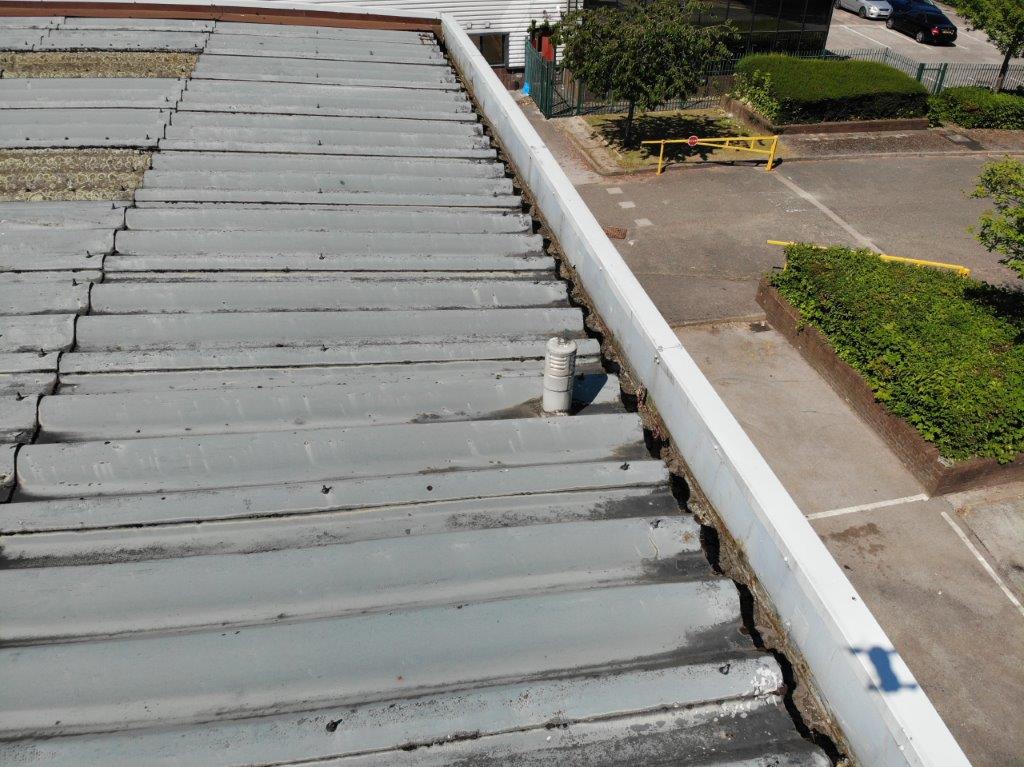
Flat or low-pitch roofs, rooflights and gutters are frequently the largest items in dilapidations claims. Deferred maintenance often leads to widespread failure rather than isolated repairs, particularly on older warehouse stock.
Building Services
Mechanical and electrical installations, including HVAC, heating systems, lighting and fire alarms, are often required to be kept in working order throughout the lease. Poor servicing records or end-of-life systems can result in replacement liabilities rather than simple repair.
External Fabric & Cladding
Deterioration to cladding panels, brickwork, render, loading bay doors and dock levellers is common, especially in high-use logistics environments. External elements are frequently overlooked during occupation but heavily scrutinised at lease end.
Internal Finishes & Decoration
Even where buildings are operationally sound, failure to comply with redecoration covenants can result in landlord claims. Decoration obligations are often absolute, regardless of wear or business use.
Alterations & Reinstatement
Mezzanines, racking, service alterations and fit-outs are a major source of dispute. Tenants are commonly required to remove alterations and reinstate the property unless the landlord formally agrees otherwise — even if the alterations add operational value.
Compliance-Related Upgrades
Issues linked to statutory compliance (fire safety, asbestos management, emergency lighting) can escalate claims, particularly where records are incomplete or maintenance has lapsed.
Understanding these cost drivers early allows occupiers to prioritise maintenance spend, plan works sensibly, and avoid inflated terminal dilapidations claims.
When Should I Instruct a Dilapidations Surveyor?
Engaging a dilapidations surveyor early ideally mid-term or at least 18–24 months before lease expiry — allows you to:
- Understand likely landlord claims
- Budget and programme remedial works
- Decide whether to repair, negotiate or settle financially
- Avoid over-specification and unnecessary expenditure
At Fourth Wall Building Consultancy, we act for occupiers across the UK’s principal industrial and logistics regions, providing practical dilapidations advice grounded in building pathology, lease interpretation and commercial negotiation.
About Fourth Wall Building Consultancy
Fourth Wall Building Consultancy specialises in UK commercial property dilapidations, offering expert surveying and consultancy services tailored to landlords and tenants. We offer:
- Highly Experienced Chartered Surveyors with a proven track record in dilapidations claims.
- Transparent Pricing Models to help clients budget effectively.
- Early Engagement Approach, minimizing costly end-of-lease surprises.
- Comprehensive Reporting using the latest digital tools for clarity and precision.
- Dispute Resolution Support to avoid expensive litigation.
Related Services
- Dilapidations surveys and schedules
- Pre-Lease compliance and condition assessments
- Building condition reports and maintenance planning
- Dispute negotiation and expert witness support
Real Buildings. Real Insight.
How we deliver clarity, value and strategic advice across the UK.
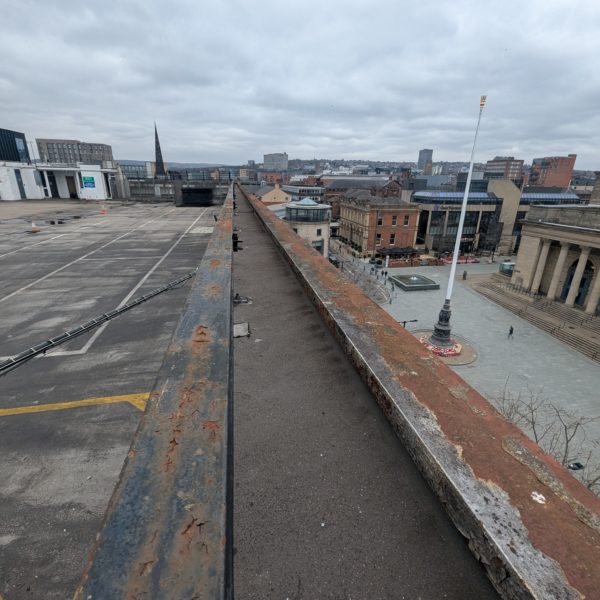
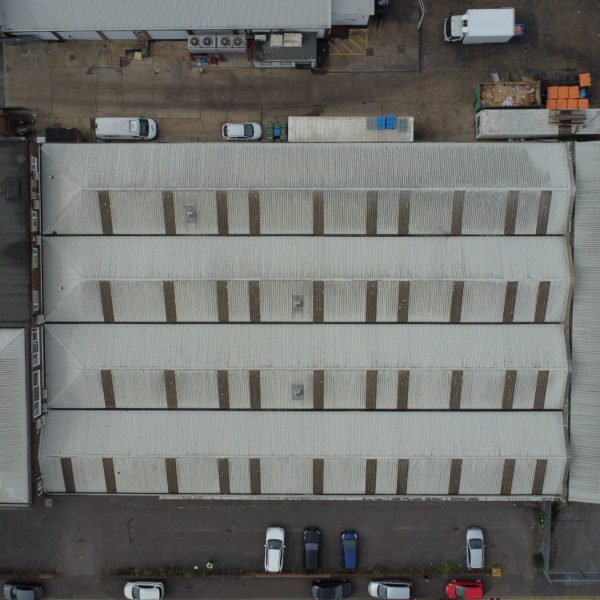
Our case studies show how Fourth Wall works in practice from navigating complex dilapidations claims and delivering development monitoring for commercial clients, to guiding heritage refurbishments and producing detailed RICS building surveys. Explore how we help landlords, asset managers, occupiers and developers make confident, informed decisions about the buildings they own, manage or occupy.

Frequently Asked Questions
What are lease obligations in relation to property maintenance and repairs?
Commercial lease obligations usually require tenants to keep the property in repair throughout the lease term, not just at expiry. Under most industrial and warehouse leases, particularly Fully Repairing and Insuring (FRI) leases, tenants are responsible for maintaining structure, roof, services, and internal finishes unless the lease specifically limits those obligations.
How do I know what repair responsibilities are mine under the lease?
Your repair responsibilities are defined by the repairing covenant and any schedules attached to the lease. Key phrases such as “keep in repair,” “put and keep,” or “yield up in repair” are critical. If no Schedule of Condition is included, tenants may be required to remedy defects that existed before occupation. Professional review by a surveyor is strongly recommended.
What is a dilapidations claim?
A dilapidations claim is a landlord’s claim for breaches of lease obligations, most commonly relating to disrepair, lack of maintenance, or failure to reinstate alterations. Claims are typically pursued at lease end but can also arise during the term if serious disrepair occurs.
Can dilapidation issues arise before the lease ends?
Yes. Repair obligations apply throughout the lease term. If defects develop and are not addressed, landlords may serve an interim schedule of dilapidations. Early identification and repair of issues usually reduces overall cost exposure and negotiation risk.
When should I instruct a dilapidations surveyor?
Ideally, tenants should seek dilapidations advice at least 18–24 months before lease expiry, or earlier for long or complex industrial leases. Early advice allows occupiers to plan repairs strategically, control costs, and avoid unnecessary or over-specified works.
How can tenants reduce dilapidations costs in industrial units?
Tenants can reduce dilapidations exposure by:
- Undertaking regular inspections
- Addressing defects promptly
- Maintaining accurate maintenance records
- Understanding reinstatement obligations for alterations
- Taking early professional advice
Planned maintenance is consistently more cost-effective than end-of-lease remediation.