Commercial Real Estate Consultancy
Commercial Pre-Lease Building Surveys
Understand the building, likely costs and lease liabilities before you commit.
Taking a commercial lease can mean accepting responsibility for far more than the rent.
Depending on the property and proposed lease, you could also be taking responsibility for an ageing roof, defective cladding, damaged floor slabs, outdated building services, extensive external areas, previous tenant alterations and substantial reinstatement works when you eventually leave.
Our Pre-Lease Surveys help commercial tenants understand those risks before signing.
We assess the property, identify significant defects and likely expenditure, consider the practical implications of the proposed property obligations and give you clear advice on what should be investigated, budgeted for or raised with the landlord before you commit.
RICS Chartered Building Surveyors | Commercial tenant and landlord experience | UK-wide coverage
Why survey a property before taking a lease?
Purchasers routinely carry out technical due diligence before acquiring commercial property. Incoming tenants can face many of the same building risks, but often with less scrutiny before committing.
A Pre-Lease Survey helps you understand not only the property’s current condition, but also the repairs, maintenance and potential lease-end liabilities that may arise during your occupation.
A Schedule of Condition can be an important part of limiting repair exposure, but it does not remove every obligation. Its effectiveness depends on the lease wording, the areas included within the demise and the wider responsibilities you accept.
Our role is to help you understand those risks early enough to investigate them, budget for them or raise them with the landlord before the lease is completed.
New to the commercial leasing process? Read our practical guide to renting a commercial property.
What is a Commercial Pre-Lease Survey?
A Pre-Lease Survey is an independent assessment of a commercial property undertaken for a prospective tenant before they commit to the lease.
It considers much more than whether the building appears to be in reasonable condition. The purpose is to understand:
- What is defective now;
- What repairs may arise during your proposed lease;
- Which building elements could create significant future expenditure;
- What further investigations should be undertaken;
- Whether the property presents obvious constraints to your proposed occupation;
- Which issues should be raised with the landlord;
- What should be budgeted for; and
- Whether the physical condition of the building makes the proposed property obligations more onerous than they first appear
The report gives you technical information that can be considered alongside advice from your solicitor, agent and any specialist consultants before the lease is completed. A good Pre-Lease Survey should not simply tell you what is wrong with the property. It should tell you what those findings mean for the transaction you are about to enter into.
What are you actually taking on?
The headline rent tells you only part of the story.
A tenant may also be accepting repair, maintenance, service charge, fit-out and reinstatement liabilities that can materially change the true cost of occupying the building.
The lease makes you responsible for the roof
That responsibility means something very different on a relatively new building than on an older industrial unit with deteriorating coatings, ageing rooflights, previous patch repairs and evidence of water ingress.
The wording may look standard. The financial exposure may not be.
The landlord remains responsible for the roof
That does not necessarily mean its condition is irrelevant.
In a multi-let building or estate, the landlord may undertake repair or replacement works and seek to recover expenditure through the service charge, depending on the terms of the lease.
The property has just been refurbished
New decorations do not necessarily mean the underlying building fabric has been repaired.
Roof defects, water ingress, deteriorated cladding, damp, ageing services and external defects can remain despite an otherwise presentable cosmetic refurbishment.
The rent looks competitive
The more useful question is:
What is the overall cost and risk of occupying this building for the proposed lease term?
That means looking beyond rent at repair, maintenance, service charge, fit-out and future reinstatement exposure.
If you’re a business looking to take on the occupation of a building on a lease-hold basis you need an independent inspection of the property prior to signing your lease. A pre-lease survey is a detailed report that outlines the current condition of the premises, the dilapidations liabilities and repairs associated with it and the costs required to make the building fit to be occupied
As an incoming tenant, it is important to understand the responsibility – and potential costs – that you are taking on as part of your lease. The onus for undertaking maintenance and repairs to the property will usually lie with the tenant during the term of the lease and if a premise is in a poor state of repair initially, costs can quickly escalate. Having a Pre-lease Survey conducted by one of our expert, chartered surveyors can be a useful tool in negotiating better lease terms and understanding your liabilities, as we review your dilapidation liabilities and responsibilities for the property in relation to the lease.
We also advise that alongside a Pre-Lease Assessment, a Schedule of Condition can prove very valuable in documenting the condition of the property at the time of taking occupancy, protecting your interests and assets in the future.

A pre-lease condition survey is essential for any tenant considering a commercial lease. It provides a comprehensive understanding of the property’s condition, helping to identify potential liabilities and maintenance obligations before commitments are made. This proactive approach enables tenants to negotiate lease terms more effectively and avoid unexpected costs down the line.
Liam Piercy BSc (Hons) MRICS, Director – Fourth Wall, London
How do the lease terms relate to the condition of the building?
Lease obligation | What is actually on site
Your solicitor advises on the legal meaning and drafting of the lease. Our role as building surveyors is different.
We inspect the physical property and help you understand the practical significance of the property-related responsibilities being proposed.
A repairing obligation may appear relatively standard until it is considered against:
- An ageing roof
- Cracked or damaged floor slabs
- Corroding cladding
- Defective windows
- Significant water ingress
- Poorly maintained building services
- Extensive yards requiring repair
- Previous tenant alterations
- A building approaching a significant maintenance cycle
The same lease wording can therefore create very different practical risks depending on the age, construction and condition of the property.
We highlight those risks so that you can make an informed commercial decision and your solicitor can advise on the appropriate legal position.
The surveyor explains the building. The solicitor advises on the legal effect of the lease. The strongest due diligence happens when those two work together.
For independent guidance on negotiating commercial leases, see the RICS Code for Leasing Business Premises. The RICS standard is specifically concerned with improving the quality and fairness of lease negotiations and understanding commitments before a business lease is granted.
What does a Pre-Lease Survey include?
The scope is tailored to the building, proposed lease and intended use rather than applied from a generic checklist. However, here’s a brief list to give you an idea:
Building fabric
We inspect accessible elements of the property, which may include:
- Roof coverings and rooflights
- Gutters and rainwater goods
- External walls and cladding
- Structural elements visible during the inspection
- Windows and external doors
- Internal walls, floors and ceilings
- Loading doors and service areas
- Yards and hardstanding
- Fencing, gates and boundaries
- Drainage features visible during inspection
- Previous repairs and alterations
We identify significant defects, evidence of deterioration and matters likely to require repair or further investigation.
Building services
We consider the visible condition and apparent age of building services where they fall within the agreed scope.
This may include:
- Heating and cooling installations
- Electrical infrastructure
- Lighting
- Water and sanitary installations
- Ventilation
- Fire-safety installations visible during inspection
- Lifts and specialist plant where relevant
A standard Pre-Lease Survey is not a substitute for specialist mechanical, electrical, gas, drainage, fire or other testing. Where further specialist assessment is appropriate, we identify it.
Future repair and maintenance
We consider what the building is likely to require during the proposed period of occupation.
This allows us to distinguish between:
- Existing defects
- Immediate repairs
- Short-term maintenance
- Medium-term expenditure
- Significant future replacement risks
For larger properties, this can be particularly important where expensive building elements may reach the end of their serviceable life during the proposed lease.
Property-related lease risks
Where relevant lease documents are available, we consider the practical implications of property-related responsibilities against what we have seen on site.
This may include matters concerning:
- Repair
- Maintenance
- Decoration
- Reinstatement
- Yielding up
- The extent of the demise
- External areas
- Landlord-retained elements
- Service charge
- Proposed alterations
We do not provide legal advice. Your solicitor remains responsible for advising on the legal meaning and drafting of the lease.
Costs and transaction advice
Where included within our scope, we provide indicative budget advice and prioritise findings according to how they should affect the transaction.
We identify matters that should potentially be:
- Resolved before completion
- Raised with the landlord
- Discussed with your solicitor
- Investigated further
- Budgeted for during occupation
- Considered when deciding whether to proceed
What will the property really cost you to occupy?
A useful Pre-Lease Survey should consider when costs are likely to arise, not simply identify that repairs exist.
Before lease completion
Items that should potentially be resolved as part of the transaction.
Examples might include significant roof defects, active water ingress, unsafe elements, defective drainage, incomplete landlord works or major unresolved building-services issues.
Before occupation or fit-out
Works, repairs or investigations required to make the proposed occupation practical.
During the lease
Maintenance, repair and replacement expenditure that may reasonably arise during the proposed term.
At lease expiry
Potential repair, decoration and reinstatement matters that could contribute to a future commercial dilapidations claim.
RICS describes dilapidations as breaches of lease covenants relating to property condition during or at the end of a tenancy. Its tenant guidance is useful further reading for understanding how those liabilities can arise.
Looking at the property across the full occupation period helps you consider the whole-life property liability, rather than focusing only on what requires repair today.
Why Choose Fourth Wall for a Pre-Lease Survey?
At Fourth Wall, we provide expert-led Pre-Lease Condition Surveys to help tenants make informed leasing decisions and avoid unexpected costs.
Our team has extensive experience across all property types; from modern industrial units to historic listed buildings.
Our reports are thorough and practical, covering building condition, compliance issues, mechanical and electrical systems, and lease-related risks. We act solely in your interest, offering clear, budgeted advice to support lease negotiations and reduce future liabilities.
With offices in London, Manchester, Sheffield, Leeds and Birmingham, we offer nationwide coverage with local insight giving you clarity before you commit.
Commercial lease experience from both ends of the tenancy
Fourth Wall advises tenants and landlords on commercial dilapidations, repair liability and lease-end negotiations.
That gives our surveyors practical experience of how decisions made at lease commencement can affect the position several years later.
Advice focused on the transaction
Identifying a defective roof is useful.
Explaining that the roof may require substantial expenditure during the proposed FRI lease, that the proposed responsibility may expose you to that cost, and that the issue should therefore be addressed before commitment is considerably more valuable.
That is how we approach Pre-Lease advice.
Commercial property experience across the UK
Our commercial instructions include industrial, logistics, offices, retail, hospitality, education, healthcare, heritage and specialist-use buildings.
Proportionate advice
Not every tenant needs the largest possible survey scope.
Where a straightforward Schedule of Condition is sufficient, we will say so.
Where a property presents greater risk, we explain why further investigation or a more detailed scope is recommended.
What can you negotiate after a Pre-Lease Survey?
Finding defects is only useful if you know what can be done with the information.
Depending on the findings and wider commercial negotiation, the survey may support discussions around:
Landlord works
The landlord may agree to undertake specified repairs before lease completion.
These could include:
- Roof repairs
- Cladding repairs
- Window repairs
- Drainage works
- Addressing significant water ingress
- Making installations operational
- Completing unfinished refurbishment works
Limiting the repairing covenant
Where the property is already in poorer condition, the parties may agree that the tenant should not be required to return it in any better condition than that evidenced at commencement.
A professionally prepared Schedule of Condition can provide the factual record supporting that agreed position.
Already know that a Schedule is all you require? Use our Schedule of Condition Cost Calculator to obtain an indicative fee.
Rent-free period
The wider commercial negotiation may allow for tenant-funded works, fit-out or disruption after completion.
Landlord contribution
The landlord may agree to contribute towards works that facilitate the letting or improve the property.
Changes to the demise
It may be appropriate to clarify whether particular roofs, structures, external areas, plant or other elements actually fall within the tenant’s responsibility.
Service-charge protection
Where significant expenditure on landlord-retained parts is foreseeable, the tenant and its legal advisers may wish to consider how the proposed service-charge provisions deal with that exposure.
Fit-out and reinstatement provisions
The transaction is also an opportunity to establish what alterations can be carried out and what may eventually need to be removed.
Deciding not to proceed
Sometimes the most valuable conclusion from the survey is that the property does not represent an acceptable risk on the terms being offered.
The time to discover that is before the lease is signed. However, a dilapidations assessment can still be valuable in determining your exposure even once a lease is entered into.
For more on the lease provisions that can create future property costs, read our guide to key lease clauses that could result in unexpected dilapidations costs.
Taking a property on a full repairing and insuring lease?
A full repairing and insuring lease, commonly shortened to an FRI lease, can place extensive property responsibility on the tenant.
A common misconception is that the tenant simply needs to maintain the property in the condition in which it was received.
That may not be the case.
Depending on the wording of the repairing covenant, a tenant can potentially be required to put elements into repair even where deterioration existed before occupation. The RICS leasing guidance recommends that repairing obligations are considered in the context of the property’s condition and that existing condition is properly recorded where the agreed obligation is intended to be limited.
This can be particularly significant where you are considering:
- An older industrial unit
- A warehouse with an ageing roof
- A heavily altered retail or hospitality property
- A building showing signs of water ingress
- Extensive external yards or hardstanding
- A property with ageing building services
- Premises offered following mainly cosmetic refurbishment
The condition of the property and the proposed repairing obligations should therefore be considered together.
Read our detailed guide to commercial tenant repair obligations and how to minimise end-of-lease repair costs.
Where the lease is intended to limit those obligations by reference to the property’s existing condition, see our Commercial Schedule of Condition Survey service.
Real Buildings. Real Insight.
How we deliver clarity, value and strategic advice across the UK.
Our case studies show how Fourth Wall works in practice from navigating complex dilapidations claims and delivering development monitoring for commercial clients, to guiding heritage refurbishments and producing detailed RICS building surveys. Explore how we help landlords, asset managers, occupiers and developers make confident, informed decisions about the buildings they own, manage or occupy.


Taking a property on a full repairing and insuring lease?
A full repairing and insuring lease, commonly shortened to an FRI lease, can place extensive property responsibility on the tenant.
A common misconception is that the tenant simply needs to maintain the property in the condition in which it was received.
That may not be the case.
Depending on the wording of the repairing covenant, a tenant can potentially be required to put elements into repair even where deterioration existed before occupation. The RICS leasing guidance recommends that repairing obligations are considered in the context of the property’s condition and that existing condition is properly recorded where the agreed obligation is intended to be limited.
This can be particularly significant where you are considering:
- An older industrial unit
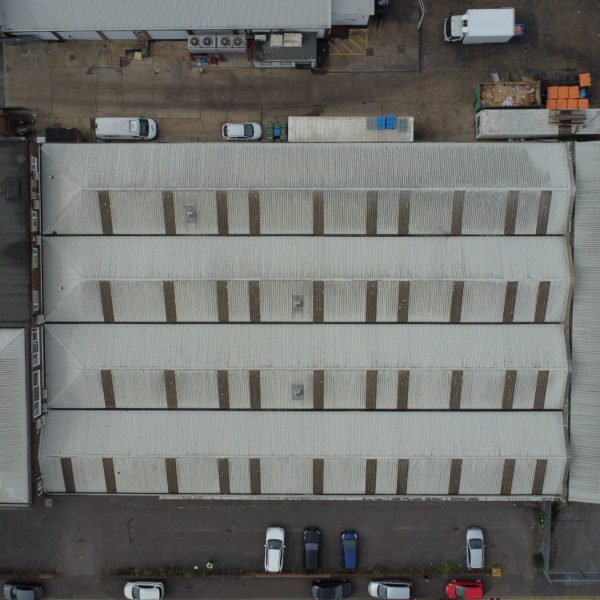
- A warehouse with an ageing roof
- A heavily altered retail or hospitality property
- A building showing signs of water ingress
- Extensive external yards or hardstanding
- A property with ageing building services
- Premises offered following mainly cosmetic refurbishment
The condition of the property and the proposed repairing obligations should therefore be considered together.
Read our detailed guide to commercial tenant repair obligations and how to minimise end-of-lease repair costs.
Where the lease is intended to limit those obligations by reference to the property’s existing condition, see our Commercial Schedule of Condition Survey service.
Can service charge expose you to future repair costs?
Yes.
In multi-let buildings and estates, the landlord may retain responsibility for:
- Roofs
- Structure
- External walls
- Common areas
- Estate roads
- Landscaping
- Shared plant and infrastructure
But landlord responsibility does not necessarily mean tenant cost exposure disappears.
Depending on the lease, some or all of the cost of maintaining, repairing or replacing those elements may be recoverable through the service charge. A deteriorating roof can therefore still matter to an incoming tenant even where the landlord is responsible for carrying out the work.
Where the information is available and relevant to our instruction, the physical condition can be considered alongside matters such as:
- Current service-charge information
- Known planned works
- Available maintenance records
- Significant foreseeable expenditure
Your solicitor should advise on whether and how those costs can be recovered under the proposed lease. Further independent guidance is available in the RICS professional standard on service charges in commercial property.
Taking a property on a full repairing and insuring lease?
A full repairing and insuring lease, commonly shortened to an FRI lease, can place extensive property responsibility on the tenant.
A common misconception is that the tenant simply needs to maintain the property in the condition in which it was received.
That may not be the case.
Depending on the wording of the repairing covenant, a tenant can potentially be required to put elements into repair even where deterioration existed before occupation. The RICS leasing guidance recommends that repairing obligations are considered in the context of the property’s condition and that existing condition is properly recorded where the agreed obligation is intended to be limited.
This can be particularly significant where you are considering:
- An older industrial unit
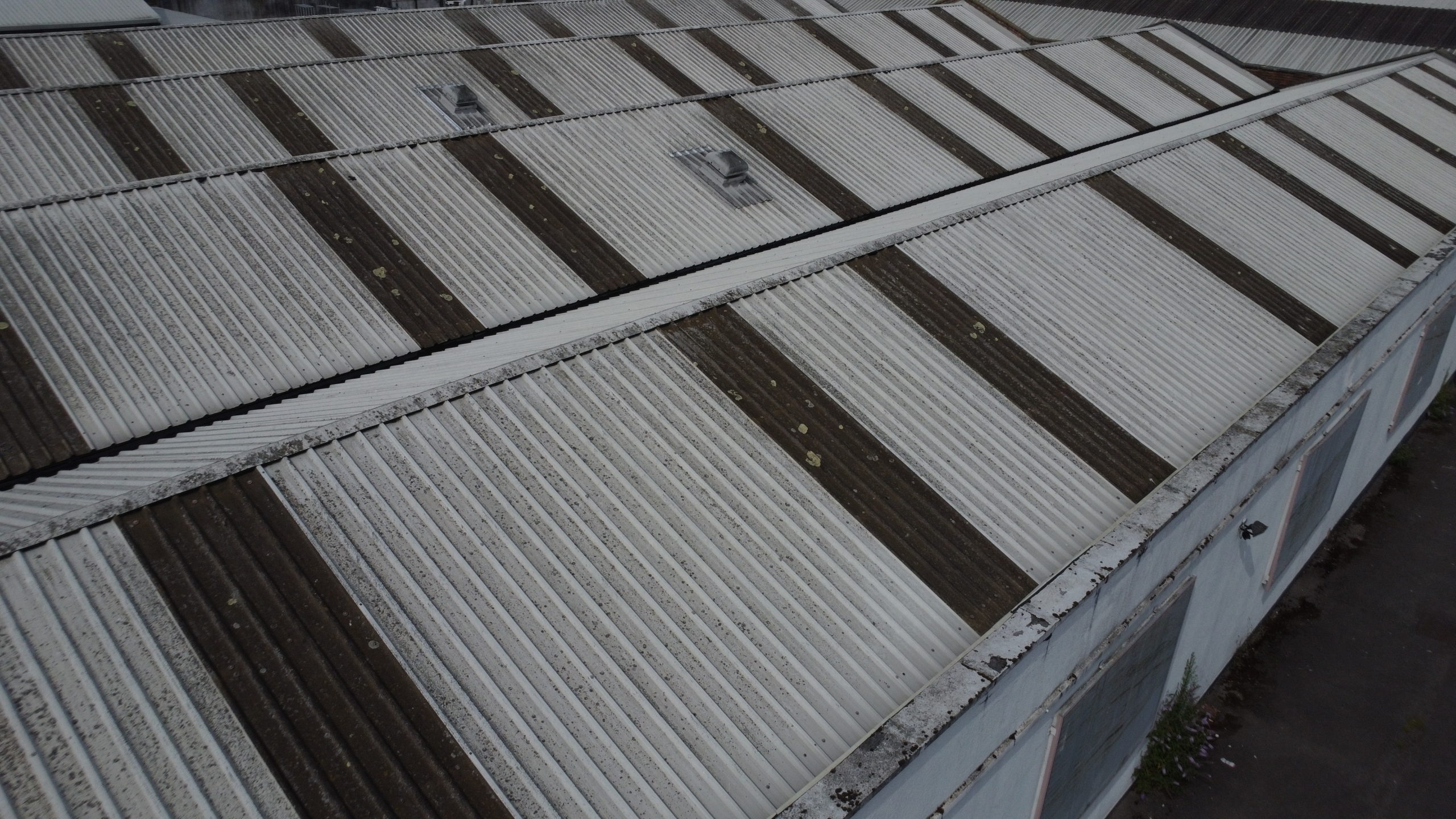
- A warehouse with an ageing roof
- A heavily altered retail or hospitality property
- A building showing signs of water ingress
- Extensive external yards or hardstanding
- A property with ageing building services
- Premises offered following mainly cosmetic refurbishment
The condition of the property and the proposed repairing obligations should therefore be considered together.
Read our detailed guide to commercial tenant repair obligations and how to minimise end-of-lease repair costs.
Where the lease is intended to limit those obligations by reference to the property’s existing condition, see our Commercial Schedule of Condition Survey service.
Who should advise you before signing a commercial lease?
Commercial property due diligence commonly involves several advisers with different responsibilities.
| Building Surveyor Assesses the physical property and explains the practical significance of its condition, likely repairs and property-related responsibilities. | Solicitor Advises on the legal meaning and drafting of the lease, title, contractual protections and other legal matters. | Commercial Agent Advises on rental value and the wider commercial terms of the letting. | M&E and specialist consultants May be required for detailed building-services testing, structural assessment, asbestos, fire engineering, environmental matters or other specialist risks. The best result is achieved where the relevant advisers share information and address the transaction together rather than operating in isolation. |
What information should you ask for before signing a commercial lease?
The physical inspection is only one part of good property due diligence.
Depending on the building and proposed occupation, relevant information may include:
- Draft lease
- Lease plan
- Heads of terms
- Asbestos information
- Energy Performance Certificate
- Fire-risk information
- Electrical testing records
- Gas-safety information where applicable
- Heating and cooling maintenance records
- F-gas information where relevant
- Lift inspection information
- Roof warranties
- Cladding and façade information
- Drainage maintenance records
- Service-charge budgets and accounts
- Planned maintenance information
- O&M information
- Planning information
- Building Regulations information
- Details of previous alterations
- Available guarantees and warranties
- Landlord fit-out guidance
Missing information can also be a risk
The absence of recent maintenance records, testing information, warranties or documentation for previous alterations can itself create uncertainty.
A good survey should identify those information gaps rather than simply record what can be seen on the day.
Is the property suitable for your proposed use?
Condition is only part of the question. The building also needs to work for your business.
A Pre-Lease Survey can identify obvious physical constraints and highlight where further specialist investigation may be required before you commit.
Industrial and logistics occupiers
Relevant considerations can include:
- Floor condition and loading
- Racking implications
- Electrical capacity
- Loading arrangements
- Dock equipment
- Yard configuration
- EV charging requirements
- Roof penetrations
- Security installations
Restaurants and hospitality
Considerations can include:
- Extract routes
- Ventilation
- Drainage
- Electrical and gas requirements
- Kitchen installations
- Fire separation
- Acoustic requirements
- External plant locations
Nurseries and education
Considerations can include:
- Safe external areas
- Boundary security
- Accessibility adaptations
- WC arrangements
- Fire-safety works
- Internal subdivision
- Servicing and alterations
Offices
Relevant considerations can include:
- Heating and cooling
- Controls
- Electrical provision
- Raised floors
- Ceiling voids
- WC provision
- Accessibility
- Proposed partitions
- Existing fit-out
A Pre-Lease Survey does not replace detailed design, planning, fire, structural or building-services advice, but it can identify issues that need resolving before the lease is completed.
Pre-Lease Survey or Schedule of Condition: what’s the difference?
The two services are often commissioned at the same stage of a transaction, but they answer different questions.
A Pre-Lease Survey helps you decide whether the starting condition is commercially acceptable.
A Schedule of Condition records that starting condition for the lease.
For older, larger or higher-risk properties, the two can be undertaken as part of the same instruction.
Pre-Lease Survey
Should we take this property, and on what terms?
A Pre-Lease Survey provides professional advice on matters such as:
- Defects
- Their significance
- Repair requirements
- Future maintenance
- Potential expenditure
- Further investigations
- Transaction and negotiating points
Schedule of Condition
What condition was the property in when we took the lease?
A Schedule of Condition creates the written and photographic record of the property’s starting condition.
Where the lease appropriately limits the tenant’s repairing obligations by reference to that condition, the Schedule can provide important evidence later.
When should you arrange a Pre-Lease Survey?
The earlier the survey is undertaken, the more opportunity there is to act on the findings.
1. Property identified
You have found premises that appear suitable.
↓
2. Heads of terms being negotiated
An ideal point to speak to us.
We can understand the property, proposed occupation and likely survey scope.
↓
3. Heads of terms agreed
The inspection and document review can proceed while the legal transaction progresses.
↓
4. Draft lease available
Property-related responsibilities can be considered alongside the physical survey findings.
↓
5. Negotiations
Landlord works, further investigations, repair limitations and any Schedule of Condition can be addressed.
↓
6. Schedule of Condition agreed
Where required, the property’s agreed starting condition is recorded before occupation.
↓
7. Lease completion
You enter the lease understanding the principal property risks and agreed position.
↓
8. Fit-out and occupation
Keep the survey, lease, Schedule of Condition and alteration records safely throughout the tenancy.
If a Schedule is required, read our guide to preparing a Schedule of Condition before signing a UK commercial lease.
How much does a commercial Pre-Lease Survey cost?
The fee for a Pre-Lease Survey depends on the property and the level of advice required.
Relevant factors include:
- Property size
- Building type
- Complexity
- Location
- Extent of external areas
- Access requirements
- Level of document review
- Whether budget costing is required
- Requirement for additional specialist input
- Reporting timescale
A small high-street unit requires a different scope from a large logistics facility, manufacturing building or heavily adapted hospitality property.
For that reason, we provide a property-specific quotation based on the actual instruction rather than applying a generic survey fee.
If you send us the:
- Property address
- Marketing particulars
- Approximate floor area
- Heads of terms, if available
- Target lease completion date
- Details of any known concerns
we can recommend an appropriate scope and fixed fee.erty’s existing condition, see our Commercial Schedule of Condition Survey service.
Not sure whether you need a full Pre-Lease Survey or just a Schedule of Condition? Send us the property details and we will advise on the appropriate scope.
If you already know that you only require a factual condition record, you can calculate the likely cost of a Schedule of Condition here.
Guidance for commercial tenants
Taking your first commercial property?
How to Rent a Commercial Property
Understand the wider process of identifying premises, negotiating terms and preparing to take occupation.
Tenant Repair Obligations: How to Minimise End-of-Lease Repair Costs
Understand how repairing obligations agreed at the beginning of the tenancy can influence expenditure during the lease and when you eventually leave.
Understand the lease clauses that can create future costs
Key Lease Clauses That Could Hit You With Unexpected Dilapidations Costs
Understand FRI provisions, reinstatement and other lease terms that can create unexpected property liabilities.
What is a Schedule of Condition? A Tenant’s Guide
Understand the purpose of the Schedule and how it relates to future repair liability.
How to Prepare a Schedule of Condition Before Signing Your UK Commercial Lease
Understand when it should be prepared, what should be recorded and why timing matters.
Schedule of Condition vs Schedule of Dilapidations
Understand the documents used at lease commencement and lease expiry.
Dilapidations Guide for Tenants
Understand how repair, decoration and reinstatement obligations can develop into a lease-end claim.
A Tenant’s Checklist Before Vacating a Commercial Property Lease
A practical guide to preparing for lease expiry and reducing last-minute surprises.
Independent guidance for commercial tenants
For additional independent information on commercial leasing and property liabilities:
RICS Code for Leasing Business Premises
Independent professional guidance covering matters to consider when negotiating a business lease.
RICS: Dilapidations in England and Wales
Independent guidance for commercial tenants and landlords on lease repair obligations and the dilapidations process.
Ready to take the next step?
Book Your Pre-Lease Survey
We’ve torn down the traditional, jargon-heavy surveying model to create a service suited to people like you to ensure you’re getting the best lease deal possible. If you’d like to have a chat with our team, feel free to complete the contact form below or contact us by phone or email and we’ll aim to get back to you shortly.
Taking on a commercial property lease can be complex and contentious, but with the right advice, they don’t have to be. At Fourth Wall, we focus on clarity, strategy, and results. Whether you’re a landlord or a tenant, our job is to simplify the process, challenge assumptions, and deliver commercially sound outcomes every time.
Joshua Weston BSc(Hons) MRICS, Director – Fourth Wall
RICS Appointed Member of the Professional Group Panel for Building Surveying & Building Control
Commercial Pre-Lease Survey FAQs
Browse some of the common questions that our team are asked when it comes to choosing the survey that’s right for you.
For anything other than a straightforward property with limited repair exposure, independent building advice can be extremely valuable before you commit.
A Pre-Lease Survey helps you understand the physical condition, likely repairs, future maintenance and property-related risks while there is still an opportunity to investigate or negotiate them.
For first-time commercial tenants, our guide to how to rent a commercial property provides a useful overview of the wider leasing process.
No.
A Pre-Lease Survey is a due-diligence exercise rather than a general legal requirement for entering into a commercial lease.
Its purpose is to help you understand the building and make an informed decision about the responsibilities and costs you may be accepting.
From a building perspective, important considerations can include:
Roof condition
External walls and cladding
Windows and doors
Internal condition
Building services
Yards and drainage
Existing alterations
Proposed repair responsibility
Service-charge exposure
Fit-out requirements
Potential future reinstatement
Available maintenance and compliance information
Your solicitor should separately advise on the legal terms of the lease.
An FRI or full repairing and insuring lease can place extensive repair responsibility on the tenant.
The condition of the property is therefore particularly important where you are being asked to take an older or already defective building on full repairing terms.
Read more about commercial tenant repair obligations.
Yes.
Depending on the repairing covenant, a tenant may be required to put elements into repair even where deterioration existed before occupation. RICS leasing guidance specifically addresses the relationship between repairing obligations and the condition of premises at the start of a lease.
This is why the proposed lease responsibilities and the actual condition of the building should be considered together.
A Schedule of Condition, combined with appropriate lease drafting, can help manage this exposure where the parties agree to limit the tenant’s obligations by reference to existing condition.
A Pre-Lease Survey provides advice.
It considers defects, significance, likely repairs, future maintenance, further investigations and potential expenditure.
A Schedule of Condition principally records the property’s condition for evidential purposes.
In simple terms:
The Pre-Lease Survey helps you decide whether to take the property and on what terms.
The Schedule of Condition records the condition in which you took it.
You can learn more about commercial Schedules of Condition here or use our Schedule of Condition Cost Calculator.
Indicative budget advice can be included within the agreed scope.
The level of costing appropriate depends on the property, available information and the nature of the defects identified.
Not as standard.
We visually consider relevant building services within the agreed scope and review available information where appropriate, but specialist testing of electrical, HVAC, gas and other installations should be separately commissioned where required.
No.
A Pre-Lease Survey is not an asbestos survey.
We can identify relevant information gaps or matters that warrant further specialist investigation, but an appropriate asbestos survey should be commissioned separately where required.
It is not a Fire Risk Assessment or specialist fire-engineering assessment.
We can identify visible concerns and information gaps that warrant further enquiry, but specialist fire-safety duties and assessments should be addressed separately where required.
We can consider property-related provisions from a building surveying perspective and explain their practical significance against the physical condition of the property.
We do not provide legal interpretation or drafting advice.
Your solicitor should advise on the legal meaning and effect of the lease.
Yes. The findings can provide technical evidence to support discussions.
Depending on the transaction, this may include:
Landlord works
Repair limitations
A Schedule of Condition
Further investigations
Rent-free or contribution discussions
Service-charge considerations
Fit-out arrangements
Whether particular terms are agreed remains part of the wider commercial and legal negotiation.
There is no single answer.
Significant defects may be dealt with through landlord works, repair limitations, financial terms, a Schedule of Condition or another negotiated solution.
The important point is to identify them before you commit, while options remain available.
The lease determines responsibility.
For a standalone industrial or warehouse property, the roof may form part of the tenant’s repairing responsibility.
In a multi-let building, the landlord may retain responsibility but potentially recover expenditure through the service charge.
The lease position and physical roof condition should therefore be considered together.
Yes, particularly where significant building elements remain under landlord control.
You may not directly repair the roof, façade, common areas or estate infrastructure, but could still contribute towards expenditure where the lease permits recovery through the service charge.
We can identify obvious physical constraints and recommend where further investigation is required.
Detailed fit-out design, services calculations, planning advice and specialist assessments are separate services where required.
We explain their significance and recommend the appropriate next step.
This may include:
Further investigation
Asking the landlord to undertake repairs
Obtaining specialist advice
Budgeting for works
Revisiting the proposed lease position
Deciding whether the property remains suitable
Ideally while the transaction remains negotiable and before the lease is completed.
Heads-of-terms stage or shortly afterwards is often a sensible time to start discussing the survey scope.
Where a Schedule will also be required, our guide explains how to prepare a Schedule of Condition before signing the commercial lease.
Often, subject to access and surveyor availability.
Send us the property address, particulars and proposed lease completion date as early as possible and we can confirm an achievable inspection and reporting programme.
The fee depends on the size, type, complexity, location and agreed scope of the property.
Send us the property particulars and proposed timescale and we can provide a property-specific fixed quotation.
If you only require a Schedule of Condition rather than full Pre-Lease advice, use our Schedule of Condition Cost Calculator.
Yes.
Fourth Wall undertakes commercial building surveying instructions across the UK for industrial, logistics, retail, hospitality, office, education, healthcare and specialist commercial properties.
A commercial tenant can accept significant repair and maintenance liabilities without buying the building. A Pre-Lease Survey helps you understand the condition, likely expenditure and practical risks before you sign.
Potentially, yes. Depending on the wording of the repairing covenant, a tenant may be required to put parts of the property into repair even where defects existed before occupation. This is one reason a survey and properly drafted Schedule of Condition can be important.
Particular attention should be paid to roofs, rooflights, cladding, floor slabs, loading doors, yards, drainage, power capacity, previous alterations and the extent of the repairing obligations.
Potentially. If the lease permits it, a tenant may contribute towards repairs to landlord-retained elements such as roofs, façades, common areas or estate infrastructure. This is why the physical condition and the service-charge provisions should be considered together.
Potentially. Significant defects may be dealt with through landlord works, a rent-free period, contribution, repair limitation or Schedule of Condition. The key is to identify them before completion while there is still room to negotiate.
Your position will depend on the lease wording, the nature of the defect and what evidence exists of the property’s original condition. Once the lease has completed, your negotiating position may be much weaker.
Not literally everything, but an FRI lease can place extensive repair obligations on the tenant. The exact responsibility depends on the demise and lease wording, so the physical property and legal terms should be reviewed together.
Possibly. These areas are frequently included in industrial demises and can create substantial repair liabilities, particularly where there is cracked hardstanding, drainage failure, vehicle impact or damaged fencing.
Often, yes, depending on the lease and any licence for alterations. Partitions, racking, mezzanines, signage, extraction systems, cabling and other installations may need to be removed and the property reinstated.
Depending on the building, relevant information may include the draft lease, lease plan, asbestos information, EPC, fire-risk information, electrical records, HVAC maintenance, service-charge accounts, planned works and documents relating to previous alterations.
Not necessarily. A lower rent can be outweighed by roof repairs, services replacement, service-charge exposure, fit-out costs or lease-end reinstatement. A Pre-Lease Survey helps assess the whole cost of occupation, not just the headline rent.
Yes. One of the most useful outcomes of a Pre-Lease Survey can be confirming that the property presents more risk or future expenditure than is justified by the proposed commercial terms.
Local Knowledge
National Coverage.
We have surveyors based across England in our regional offices. With expert knowledge of their local areas, you know you’re in safe hands.
Fourth Wall // South East
Areas We Cover
London
Mayfair
Pimlico
Kensington
Westminster
Lambeth
Islington
Enfield
Camden
Barnet
Belsize Park
Hampstead Heath
Finsbury Park