Commercial Real Estate Consultancy
Commercial Dilapidations Surveyors.
Strategic advice for landlords and tenants before, during and at the end of a commercial lease.
Dilapidations can create substantial financial exposure for both commercial landlords and tenants.
For tenants, that may mean understanding what really needs to be repaired, reinstated or paid at lease expiry.
For landlords, it means identifying genuine breaches, protecting the condition and value of the property, and ensuring any claim is properly evidenced and proportionate to the loss arising.
Fourth Wall provides commercial dilapidations advice across the UK, from early lease strategy and interim inspections through to terminal Schedules of Dilapidations, Quantified Demands, tenant responses and negotiated settlements.
RICS Chartered Building Surveyors | Landlord and tenant representation | Commercial property expertise | UK-wide coverage
Are you a commercial tenant or landlord?
Dilapidations advice for tenants
Approaching lease expiry, planning a break or already received a Schedule of Dilapidations?
We help tenants:
- Understand their potential liability
- Review landlord claims
- Challenge items where appropriate
- Decide whether to undertake works or negotiate
- Review reinstatement obligations
- Assess the impact of a Schedule of Condition
- Plan ahead for lease expiry
- Negotiate a commercial settlement where appropriate
Dilapidations advice for landlords
Tenant approaching lease expiry, exercising a break or failing to maintain the property?
We help landlords:
- Assess lease breaches
- Prepare interim and terminal Schedules of Dilapidations
- Review alterations and reinstatement
- Consider the landlord’s intended works
- Prepare or support Quantified Demands
- Assess technical responses from tenants
- Negotiate claims
- Support repair and refurbishment works where required
What are commercial property dilapidations?
Dilapidations are breaches of property-related obligations contained within a commercial lease.
They most commonly arise from obligations relating to:
- Repair
- Maintenance
- Decoration
- Reinstatement of alterations
- Removal of tenant fixtures
- Yielding up the premises
- Other obligations affecting the physical condition of the property
They can arise during the lease, at a break date or when the tenancy comes to an end.
A landlord may identify alleged breaches within a Schedule of Dilapidations, while the tenant may respond by accepting, challenging or negotiating individual items.
The final position is rarely as simple as adding together the cost of every repair.
The lease, physical condition, evidence, landlord’s intentions and proper measure of loss all need to be considered together.
Landlords and Occupiers of commercial property have numerous obligations: we provide bespoke strategic advice to guide them so that requirements to reinstate, repair, redecorate and comply with status meet client specific objectives for the business.
Liam Piercy BSc (Hons) MRICS, Director – Fourth Wall London

When do dilapidations arise?
Dilapidations should not be treated solely as an end-of-lease issue.
Lease commencement
The decisions made at the start of the tenancy can have a significant effect later.
A properly prepared Schedule of Condition may help establish the original condition where the lease limits the tenant’s repairing obligations by reference to it.
For incoming tenants, our Pre-Lease Survey service can help identify significant building and lease-related risks before commitment.
During the lease
A landlord may identify deterioration or breaches before expiry.
Depending on the lease and circumstances, an interim Schedule of Dilapidations may be appropriate.
For tenants, early awareness provides an opportunity to manage repair and maintenance rather than allowing liability to accumulate.
Before a break or lease expiry
This is often the most valuable time for both parties to obtain strategic advice.
Tenants can assess likely liability, identify reinstatement requirements and decide whether works or negotiation represent the better approach.
Landlords can review the condition, lease obligations, alterations and their future intentions for the property.
At lease expiry
A terminal Schedule of Dilapidations may identify alleged breaches and required remedies.
The parties then need to consider the technical and financial position.
After lease expiry
Where matters remain unresolved, the landlord may quantify its alleged loss and the tenant may prepare a formal response.
Technical negotiation may then continue through a Scott Schedule, disclosure of relevant information, alternative dispute resolution or, less commonly, proceedings.
A Schedule of Dilapidations is not simply a repair bill
This is one of the most important points for both landlords and tenants.
A Schedule of Dilapidations identifies alleged breaches of the lease and usually sets out the remedial works considered necessary.
But the estimated cost of those works does not automatically equal the landlord’s final recoverable damages.
The position may also depend on:
- Whether the lease obligation has actually been breached
- Whether the proposed remedy is appropriate
- Whether the item was already limited by a Schedule of Condition
- Whether the landlord intends to undertake the claimed works
- Whether future refurbishment or redevelopment supersedes particular repairs
- Whether the claimed costs are reasonable
- Whether the landlord has suffered the loss being claimed
- Relevant statutory limitations on damages
This is why experienced dilapidations advice requires more than preparing a defect schedule and applying costs.
What documents form a dilapidations claim?
| Schedule of Dilapidations Usually prepared on behalf of the landlord. It identifies alleged breaches of lease obligations, the remedial works considered necessary and, depending on the stage and format, may also include cost information. | Quantified Demand Following lease expiry, the landlord may provide a Quantified Demand setting out the losses claimed as a consequence of the alleged breaches. This is not necessarily identical to the total cost shown in the Schedule. | Tenant’s Response The tenant and its advisers review the landlord’s claim and respond to individual items and the wider quantified position. Items may be accepted, challenged or subject to further information and negotiation. | Scott Schedule A Scott Schedule is commonly used during negotiations to record the landlord and tenant surveyors’ respective positions against individual items. It provides a structured way of narrowing the issues in dispute. |
What is the Dilapidations Protocol?
For terminal dilapidations claims in England and Wales, the Pre-Action Protocol for Claims for Damages in Relation to the Physical State of Commercial Property at Termination of a Tenancy provides the framework normally expected before court proceedings.
In practical terms, the Protocol is intended to encourage the parties to:
- Clearly set out their respective positions
- Provide relevant information
- Properly quantify the claim
- Respond within the appropriate process
- Narrow areas of disagreement
- Consider alternative dispute resolution
- Avoid unnecessary litigation
Our dilapidations advice and reporting is prepared with the relevant RICS professional standards and Protocol requirements in mind.
Further impartial reading:
Ministry of Justice – Dilapidations Protocol
RICS – Dilapidations in England and Wales
What is the difference between an interim and terminal Schedule of Dilapidations?
Interim Schedule of Dilapidations
An interim Schedule is prepared during the lease term.
It may be appropriate where the landlord is concerned that the tenant is not complying with repair, maintenance or other property-related obligations and wants the position addressed before lease expiry.
Its strategic purpose can therefore be very different from a terminal claim.
Terminal Schedule of Dilapidations
A terminal Schedule is prepared as the lease approaches or reaches expiry.
It identifies alleged outstanding breaches and the works considered necessary to comply with the tenant’s obligations.
Where breaches remain after expiry, the matter may then progress into a financial claim for damages.
Real Buildings. Real Insight.
How we deliver clarity, value and strategic advice across the UK.
Our case studies show how Fourth Wall works in practice from navigating complex dilapidations claims and delivering development monitoring for commercial clients, to guiding heritage refurbishments and producing detailed RICS building surveys. Explore how we help landlords, asset managers, occupiers and developers make confident, informed decisions about the buildings they own, manage or occupy.




Why choose Fourth Wall for commercial dilapidations Advice?
At Fourth Wall, we pride ourselves on creating a comprehensive dilapidation surveying process for all our customers so they can understand their properties and the aspects that matter the most. We stay clear of the old-fashioned jargon-heavy approach and instead focus on providing quality advice that both tenants and landlords can rely on. Our team understands the importance of being fair towards both parties, which is why we offer reliable, trustworthy, and transparent services from the get-go. To start your journey with Fourth Wall book a free no-obligation consultation with one of our friendly chartered surveyors.
We act at both ends of the lease
Fourth Wall advises commercial landlords and tenants.
That gives our surveyors practical experience of how claims are prepared, challenged and negotiated from both perspectives.
We understand the arguments likely to be raised on the other side because we regularly deal with them.
Practical repair and cost experience
Our wider work includes repair specification, planned maintenance, project management and contract administration.
That means repair costs and proposed remedies can be considered against how works would actually be undertaken.
Commercially focused negotiation
Our objective is not to prolong disagreement.
We aim to identify the real issues, narrow the areas in dispute and develop a technically supported commercial position.
For further insight into this approach, see our guide to negotiating commercial dilapidations.
Our surveyors are trusted advisors who combine technical diligence with deep market understanding, ensuring your interests are always front and centre.
What can a commercial dilapidations claim include?
The precise position depends on the lease and circumstances, but dilapidations commonly concern matters such as:
Repair
Defective or deteriorated building elements that the tenant was obliged to maintain or repair.
Alteration
Removal of items such as: Racking, Partitions, Signage, Plant, Cabling, Kitchens, Extraction systems, Specialist equipment. Where required by the contractual position.
Other evidenced losses
Depending on the facts, a landlord may seek other losses arising from relevant breaches, loss of rent, etc.
Decoration
Failure to comply with internal or external decoration obligations.
Statutory Compliance
Meeting and demonstrating compliance with statutory regulations and legislation relevant to the site.
Reinstatement
Removal of tenant alterations and reinstatement of the property where required by the lease or relevant licences for alterations.
Professional fees
Professional fees may form part of a claim where properly recoverable under the lease and applicable circumstances.
However:
The cost of undertaking the works and the landlord’s recoverable loss are not necessarily the same figure.
At Fourth Wall, we don’t just assess buildings: we understand the commercial drivers behind every lease. Our clients come to us for dilapidations advice because they know they’ll get clear, strategic guidance that protects their position, controls cost, and minimises risk. We’re not just ticking boxes, we’re safeguarding your investment.
Pete Nichols BSc (Hons) MRICS, Director – Fourth Wall Midlands

Dilapidations and break clauses
A lease break can create a particularly sensitive point in the tenancy.
Where the tenant intends to exercise a break option, property-related conditions may need to be understood and addressed well before the break date.
Our role can include:
- Assessing the physical condition of the property
- Identifying outstanding repair or reinstatement works
- Reviewing relevant alterations
- Advising on the practical programme for completing works
- Preparing condition or liability assessments
Your solicitor should separately advise on the legal requirements for exercising the break and whether any break conditions have been satisfied.
Do not leave this review until immediately before the break date.
Dilapidations advice for commercial tenants
Whether you are still occupying the premises, planning a break or have already received a claim, early advice can materially improve the options available.
We can help tenants:
- Assess potential lease-end liability
- Review the lease from a building surveying perspective
- Review an existing Schedule of Dilapidations
- Prepare a technical Response
- Review claimed remedial works and costs
- Consider the effect of a Schedule of Condition
- Assess reinstatement requirements
- Consider landlord refurbishment or redevelopment intentions
- Advise whether works or financial negotiation may be preferable
- Negotiate through a Scott Schedule
- Support remedial works where separately instructed
If you have already received a claim, read our guide to dilapidations claims as a commercial tenant.
For broader preparation advice, see our Dilapidations Guide for Tenants.
When should tenants start planning for lease expiry?
18–24 months before expiry
For larger or more complex premises, this can be an appropriate point for an early liability assessment.
Consider:
- Repair obligations
- Known defects
- Reinstatement
- Decoration
- Long-lead works
- Budget requirements
- Relocation or renewal plans
Around 12 months before expiry
Agree a strategy.
That might involve:
- Undertaking works
- Seeking agreement with the landlord
- Negotiating a surrender or renewal
- Preparing for reinstatement
- Allocating budget
Around 6 months before expiry
Works or negotiations should generally be progressing rather than simply beginning.
Review:
- Outstanding repairs
- Decorations
- Alterations
- Licences
- Contractor programmes
- Handover requirements
At expiry
Document the condition of the property and handover position.
After expiry
Where a claim is pursued, review the Schedule and Quantified Demand and prepare the appropriate response.
For a more detailed planning framework, see our Tenant’s Checklist Before Vacating a Commercial Property Lease.
What happens if repair works are required?
Fourth Wall can provide more than the initial liability assessment.
Where separately instructed, our wider building consultancy team can support the implementation of remedial works.
This may include:
- Preparing schedules or specifications
- Developing repair scopes
- Budgeting
- Tendering
- Contractor procurement
- Project management
- Contract administration
- Inspection of completed works
For landlords, this can include managing repair or refurbishment works after possession is recovered.
For tenants, it can include defining and controlling works before handover.
Dilapidations advice for commercial landlords
For landlords, good dilapidations strategy begins with understanding both the lease obligations and what is intended for the property after possession is recovered.
We can assist landlords with:
- Interim inspections
- Interim Schedules of Dilapidations
- Pre-expiry strategy
- Terminal Schedules of Dilapidations
- Review of alterations and licences
- Reinstatement advice
- Quantification of remedial works
- Technical input into Quantified Demands
- Review of tenant Responses
- Scott Schedule negotiation
- Consideration of future landlord works
- Repair and refurbishment implementation where separately instructed
When should landlords start planning for lease expiry?
Landlords should ideally start planning well before the tenant hands the property back.
Early preparation gives you time to understand the lease obligations, inspect the property, review alterations and decide what you actually intend to do with the premises after expiry. That strategy can directly affect how a dilapidations claim should be approached.
18–24 months before expiry
For larger, complex or heavily altered properties, this is a sensible point to begin an early strategic review.
Consider:
- The tenant’s repairing and decorating obligations
- Existing Schedules of Condition
- Licences for alterations
- Known defects or deterioration
- Reinstatement requirements
- The likely future use of the property
- Whether refurbishment, redevelopment or re-letting is planned
- Potential budget and programme implications
An early review can also identify whether an interim inspection or Schedule of Dilapidations may be appropriate.
Around 12 months before expiry
The landlord’s intended property strategy should be becoming clearer.
This is a good point to:
- Inspect the property
- Review the lease and alteration documents
- Identify significant potential breaches
- Consider whether reinstatement is genuinely required
- Decide whether the preferred outcome is works, a financial settlement or a combination of both
- Start considering the timing of any terminal Schedule of Dilapidations
Where the property is likely to be substantially refurbished or altered after expiry, those plans should be considered at this stage rather than after a claim has been prepared.
Around 6 months before expiry
By this stage, the dilapidations strategy should usually be active.
Depending on the lease and circumstances, this may include:
- Updating the condition assessment
- Preparing or finalising the Schedule of Dilapidations
- Reviewing the tenant’s proposed works
- Discussing reinstatement
- Monitoring outstanding repair items
- Considering access arrangements
- Planning post-expiry landlord works
- Coordinating with the legal and letting teams
This is also an important point to preserve evidence of the property’s condition before the tenant begins substantial end-of-lease works.
At lease expiry
Record the condition of the property as possession is returned.
This may include:
- A final inspection
- Updated photographs
- Review of completed tenant works
- Confirmation of outstanding breaches
- Recording retained alterations
- Documenting handover and access arrangements
The landlord should also confirm how the findings align with its actual plans for the property.
After expiry
Where breaches remain, the claim can be progressed in accordance with the lease, the landlord’s evidenced position and the relevant Dilapidations Protocol.
This may involve:
- Finalising the terminal Schedule
- Quantifying the landlord’s claimed loss
- Considering the tenant’s Response
- Scott Schedule negotiations
- Reviewing evidence of intended or completed landlord works
- Considering whether valuation or legal input is required
The key point is not to wait until the tenant returns the keys. By then, opportunities to influence the tenant’s works, clarify reinstatement and align the claim with the landlord’s future plans may already have been lost.
Commercial dilapidations case studies
Tenant Dilapidations Negotiation | Industrial Unit, Essex
79% reduction in landlord’s dilapidations claim
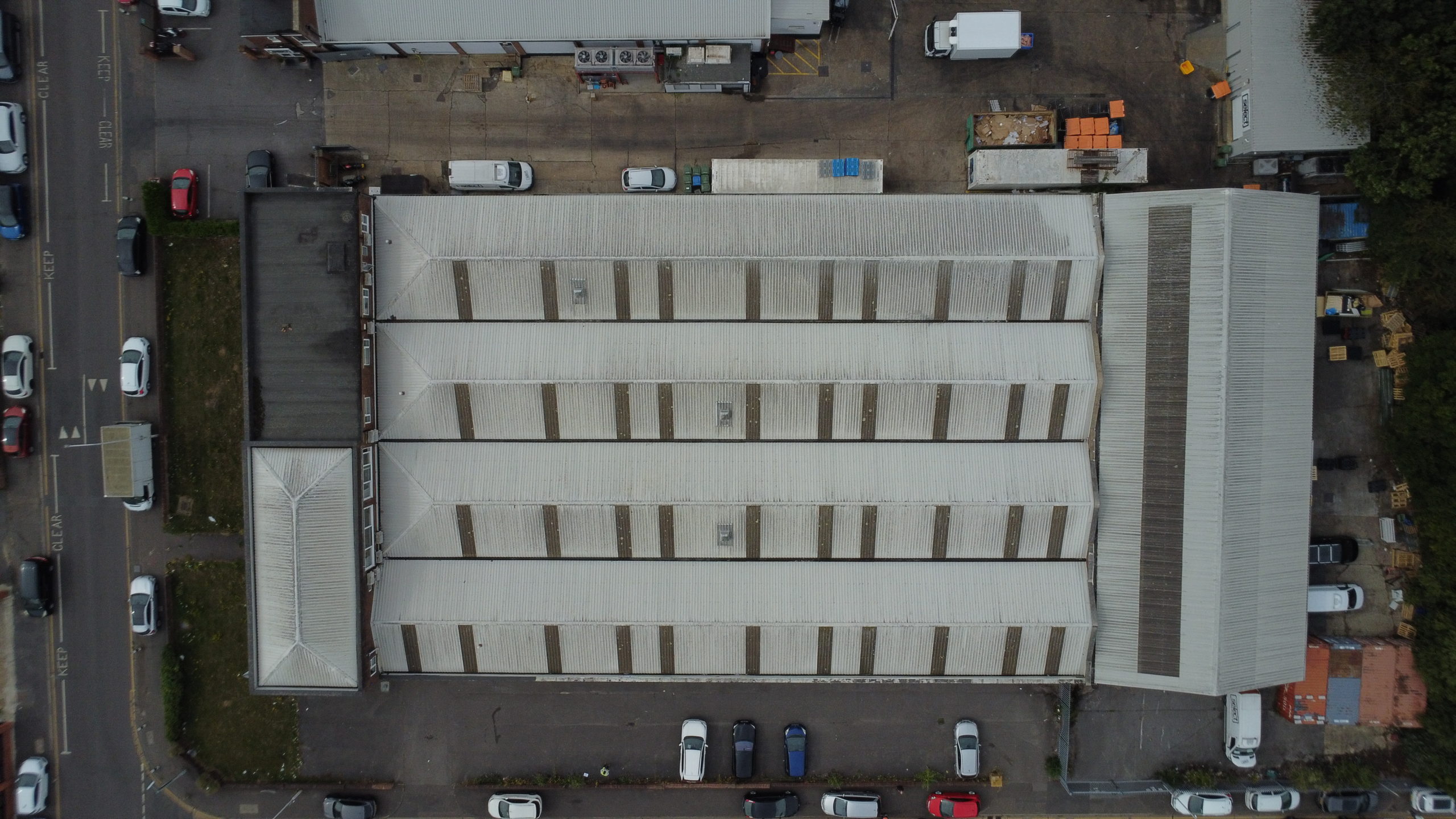
Fourth Wall acted for the tenant of a c.24,650 sq ft industrial warehouse in Essex at lease expiry, following receipt of a landlord’s claim approaching £497,000.
We reviewed the lease and technical merits of the claim, considered the landlord’s likely future use of the property and the relevance of Section 18(1), and led negotiations through the Scott Schedule process.
The claim was ultimately settled at £100,000 within three months, providing the tenant with cost certainty and avoiding a prolonged dispute.
£497k initial claim | £100k settlement | c.79% reduction
Landlord Dilapidations Claim | Retail Unit, Flint
£40,000 settlement secured within 8 weeks
Fourth Wall acted for the landlord of a c.7,760 sq ft retail unit in Flint, North Wales, following lease expiry. The tenant had vacated leaving significant disrepair, unauthorised alterations and reinstatement liabilities.
We inspected the property, prepared a Terminal Schedule of Dilapidations and Quantified Demand, and developed the claim strategy around the landlord’s proposed refurbishment, local letting market and need to minimise the period before the property could be repositioned.
Through early engagement and negotiation, a £40,000 settlement was agreed within eight weeks, representing approximately 65% of the landlord’s original claim, with the recovered funds subsequently available to support the planned refurbishment.
£40k settlement | 65% of original claim | 8 weeks to settle
Ready to take the next steps?
Speak to one of our dilapidations specialists today
Disputes can be common between landlords and tenants over dilapidations surveys, so you want to ensure that you’ve got a quality surveyor in your corner who has the expertise to ensure a fair outcome. We’ve created a simple and comprehensive service to suit people in these scenarios so the process can be as easy as possible. Simply fill in the contact form below, or contact us by email or phone for a free consultation with our friendly team.
Dilapidations can be complex and contentious, but with the right advice, they don’t have to be. At Fourth Wall, we focus on clarity, strategy, and results. Whether you’re a landlord or a tenant, our job is to simplify the process, challenge assumptions, and deliver commercially sound outcomes every time.
Joshua Weston BSc(Hons) MRICS, Director – Fourth Wall Lead Director
RICS Appointed Member of the Professional Group Panel for Building Surveying & Building Control

Commercial Dilapidations FAQs
A Schedule of Dilapidations is a document commonly prepared on behalf of a commercial landlord identifying alleged breaches of the tenant’s property-related lease obligations and the remedial works considered necessary.
It can include breaches relating to repair, decoration, reinstatement of alterations, removal of tenant installations and other obligations affecting the condition in which the premises should be maintained or returned.
A terminal Schedule forms part of the wider lease-end process and should not simply be treated as an invoice. The subsequent claim needs to consider the lease, physical condition, proposed remedies and the landlord’s actual loss.
For independent guidance, RICS provides an overview of commercial dilapidations in England and Wales
Dilapidations advice can be useful during the lease, approaching a break date, before lease expiry or after a claim has been received.
A landlord may require advice where there are concerns about the condition of the property, where an interim Schedule may be appropriate, or when preparing for lease expiry.
A tenant may require advice to assess potential liability, plan lease-end works, respond to a landlord’s Schedule or negotiate a claim.
A survey undertaken at the beginning of a tenancy principally to record the existing condition of the property would normally be a Commercial Schedule of Condition, rather than a dilapidations survey.
Incoming tenants who require wider advice on defects, future repair costs and the liabilities they may be accepting should instead consider a Commercial Pre-Lease Survey
Schedules of Dilapidations are commonly prepared by building surveyors experienced in commercial landlord-and-tenant matters.
The role requires more than identifying building defects. The surveyor needs to consider the relevant lease obligations, physical condition, appropriate remedial works, reasonable costs and, particularly for terminal claims, what the landlord actually intends to do with the property.
Fourth Wall’s dilapidations work is undertaken by experienced Chartered Building Surveyors with commercial property, repair and lease-end experience.
The RICS Dilapidations in England and Wales professional standard provides the principal professional framework for surveyors working in this area.
There is no single calculation.
The starting point is to establish the relevant lease obligations, identify whether a breach exists and determine the appropriate remedy.
The reasonable cost of the remedial works may then be considered, but the cost of undertaking those works does not automatically equal the landlord’s recoverable damages.
The ultimate position may also be affected by:
The landlord’s intentions for the property
Whether particular works will actually be undertaken
Supersession
The reasonableness of the proposed remedy
The reasonableness of the claimed costs
Diminution in value
Relevant statutory limitations
Other properly evidenced losses
This is why a £200,000 Schedule of Dilapidations does not necessarily result in a £200,000 settlement.
The Ministry of Justice Dilapidations Protocol provides further guidance on the approach to terminal claims.
The answer depends on the lease.
A commercial tenant may have obligations relating to:
Repairing the building
Internal and external decoration
Removing alterations
Removing racking, partitions or other installations
Reinstating previous layouts
Making good damage caused by removals
Returning the property in the condition required by the yielding-up provisions
The first step should therefore be to review the lease, any licences for alterations, the original Schedule of Condition and the actual condition of the property.
Where the lease is approaching expiry, obtaining advice early can help determine whether it is better to undertake the works yourself or address the liability through negotiation.
For a practical overview, see our Tenant’s Checklist Before Vacating a Commercial Property Lease.
Do not assume that every item or cost shown is automatically payable.
A tenant-side review should consider:
What the lease actually requires
Whether each alleged breach is valid
Any Schedule of Condition
Previous alterations and licences
Whether the proposed remedy is appropriate
The reasonableness of the claimed costs
The landlord’s intended works
Whether particular items may be superseded
Your surveyor can then prepare a technical response and negotiate the disputed items.
You may also find our guide to dilapidations claims as a commercial tenant useful.
Not necessarily.
A Schedule represents the landlord’s position on the alleged breaches and the remedial works considered necessary. It does not automatically establish the amount ultimately payable by the tenant.
Individual items can be accepted, challenged or negotiated, and the landlord’s properly recoverable loss may differ significantly from the total estimated cost of the works.
Our case study involving an industrial tenant in Essex demonstrates this in practice, where a claim approaching £497,000 was ultimately settled at £100,000.
An item might be challenged because:
There is no relevant breach
The repairing obligation does not extend as far as alleged
The original condition is relevant to liability
A Schedule of Condition limits the tenant’s obligation
The proposed remedy goes beyond what is reasonably required
The claimed cost is excessive
The landlord’s intended refurbishment or redevelopment affects the claim
The objective should not be to dispute every item automatically. It should be to identify the areas where the landlord and tenant genuinely disagree and support the tenant’s position with appropriate technical evidence.
Read more about our approach to negotiating commercial dilapidations.
Undertaking the works may allow the tenant to control procurement, cost and quality, particularly where liability is relatively clear and sufficient time remains before expiry.
Negotiation may be preferable where:
The landlord intends significant refurbishment
There are genuine disagreements over liability
Some works may be superseded
Time remaining is limited
Access after expiry will not be available
A financial settlement provides greater commercial certainty
The important point is to assess the position early enough that both options remain available.
For practical lease-end planning, see our Tenant’s Checklist Before Vacating a Commercial Property Lease.
For larger or more complex properties, it can be sensible to begin considering lease-end liability 12–24 months before expiry.
This provides time to:
Understand likely liability
Review alterations and reinstatement
Budget for works
Obtain competitive contractor prices
Consider the landlord’s intentions
Decide whether works or negotiation are preferable
Waiting until the final weeks of the lease can remove options and make the process considerably more reactive. However, don’t worry, we can still help you negotiate a claim at any point. Our Dilapidations Guide for Tenants provides further guidance on preparing for lease expiry.
For substantial, complex or heavily altered properties, an early review 12–24 months before expiry can help establish:
Repair and decoration obligations
Existing condition evidence
Alterations and reinstatement requirements
Significant deterioration
The landlord’s intended future use
Whether refurbishment or redevelopment is proposed
The appropriate dilapidations strategy
As expiry approaches, the landlord can then inspect the property, preserve evidence and decide whether the preferred outcome is physical works, reinstatement, a financial settlement or a combination of these.
For terminal commercial dilapidations claims in England and Wales, the Dilapidations Protocol provides a structured pre-action process.
The landlord’s Schedule should generally be served within 56 days after termination of the tenancy, together with or followed by the appropriate Quantified Demand.
The tenant will then normally have 56 days from receiving the Quantified Demand to provide its substantive Response.
The parties and their surveyors are encouraged to meet and narrow the areas of disagreement before litigation is considered.
These are Protocol timescales for progressing a terminal claim. They should not be confused with a requirement that a “dilapidations survey must be completed within 56 days”.
Each party will usually appoint and initially pay its own professional advisers.
However, the landlord’s ability to recover professional fees from the tenant can depend on the wording of the lease and the circumstances of the claim.
Many commercial leases contain provisions dealing with surveyor or professional fees, but recoverability should be checked rather than assumed.
Your solicitor should advise on the contractual position where required.
The fee depends on the nature of the instruction rather than simply the floor area of the building.
Relevant factors include:
Property size and type
Complexity of the lease
Number and extent of alleged breaches
Availability of lease and alteration documentation
Whether costs need to be prepared or reviewed
Whether negotiation is required
Whether we are acting for the landlord or tenant
Requirement for further inspections
Complexity of the dispute
Fourth Wall provides a clear scope and fee proposal after reviewing the property and available information.
Request a dilapidations quote and speak to one of the team today
Yes.
We can provide fixed fees for clearly defined instructions such as:
An initial lease-end liability assessment
Preparation of a Schedule of Dilapidations
Review of an existing landlord claim
A defined inspection and report
Where the instruction includes ongoing negotiation, repeated inspections, extensive document review or matters that cannot reasonably be defined at the outset, we will explain the proposed fee basis before instruction.
A Quantified Demand is the landlord’s statement of the monetary losses being claimed following termination of the lease.
It should explain and substantiate the damages sought in relation to the alleged breaches and any other properly claimed losses.
Importantly, it is not necessarily the same as simply adding together every estimated cost contained within the Schedule of Dilapidations.
The Dilapidations Protocol provides the relevant procedural framework for terminal claims.
A Scott Schedule is a working document commonly used during dilapidations negotiations.
It records the landlord and tenant surveyors’ respective positions against individual items, allowing the parties to see:
What is agreed
What remains disputed
Why an item is disputed
The respective positions on the required remedy
Differences in cost
It provides a structured way of narrowing the technical issues and progressing negotiations towards settlement.
Our Essex tenant dilapidations case study provides an example of Fourth Wall negotiating a substantial claim through the Scott Schedule process.
Supersession concerns the effect of the landlord’s proposed future works on the repairs being claimed from the tenant.
For example, if the landlord intends to strip out and completely replace an area immediately after expiry, requiring the tenant to undertake certain repairs or decorations to the existing layout may provide little or no practical benefit.
The position is fact-specific.
The landlord’s genuine intentions, the proposed works and the tenant’s actual lease obligations all need to be considered.
For landlords, considering future refurbishment or redevelopment early can help ensure that the claim strategy reflects the actual plans for the property.
For tenants, it can be an important consideration when reviewing whether particular claimed works genuinely contribute to the landlord’s loss.
Section 18(1) of the Landlord and Tenant Act 1927 can limit damages for certain breaches of repairing covenants.
Broadly, the landlord’s damages for disrepair may be limited by the reduction in value of its interest caused by the breach.
It can also become relevant where the landlord intends to undertake alterations so extensive that carrying out particular repairs would provide no value.
Section 18 is a specialist legal and valuation issue and should not be treated as a simple percentage reduction from the Schedule total.
Where relevant, the building surveyor should work alongside the client’s solicitor and an appropriately qualified valuation adviser.
For more on the underlying repairing obligations, read our guide to commercial tenant repair obligations.
Potentially.
Where the lease properly limits the tenant’s repairing obligation by reference to a Schedule of Condition, it can provide important evidence of the condition the tenant was not required to improve beyond.
The effectiveness of a Schedule therefore depends on both:
The quality and completeness of the condition record
The way the limitation is incorporated into the lease
If you are considering a new commercial lease, our Pre-Lease Survey service can help identify the wider repair risks before commitment.
You can also read our guide to Schedule of Condition vs Schedule of Dilapidations.
Potentially.
Where a tenant intends to exercise a break option, repair, reinstatement or other property-related obligations may need to be considered well before the break date.
A building surveyor can inspect the premises, assess the condition and advise on the practical works that may be required.
Your solicitor should separately advise on the legal requirements for exercising the break and whether any relevant conditions have been satisfied.
The RICS Dilapidations in England and Wales professional standard includes break clauses within the matters surveyors should consider when advising in this area.
Yes.
Our dilapidations work can extend beyond the initial inspection and report to include:
Preparing or reviewing Schedules of Dilapidations
Preparing technical Responses
Reviewing remedial costs
Scott Schedule negotiations
Meetings with the opposing surveyor
Strategic advice
Coordination with solicitors and other professional advisers
Supporting remedial works where separately instructed
Our Tenant Dilapidations Negotiation case study in Essex demonstrates our tenant-side negotiation work, while our landlord dilapidations case study in Flint demonstrates preparation and negotiation of a landlord claim.
Where legal interpretation, diminution valuation or another specialist discipline falls outside our role, we identify this and work alongside the appropriate adviser.
Yes, on separate instructions.
Fourth Wall advises both commercial landlords and commercial tenants on dilapidations.
Working on both sides of the market gives our surveyors practical insight into how claims are prepared, challenged and negotiated.
For tenants, this helps us anticipate how a landlord and its surveyor are likely to approach alleged breaches.
For landlords, it helps us understand which elements of a claim are most likely to be scrutinised or challenged by an experienced tenant-side surveyor.
Local Knowledge
National Coverage.
We have surveyors based across England in our regional offices. With expert knowledge of their local areas, you know you’re in safe hands.
Fourth Wall // South East
Areas We Cover
London
Mayfair
Pimlico
Kensington
Westminster
Lambeth
Islington
Enfield
Camden
Barnet
Belsize Park
Hampstead Heath
Finsbury Park