Commercial Real Estate Consultancy
Planned Preventative Maintenance Survey for Commercial Property.
Understand what needs doing, when it needs doing and what it is likely to cost.
A Planned Preventative Maintenance Survey gives landlords, asset managers, property managers and occupiers a structured view of the repairs, maintenance and capital expenditure likely to be required across a commercial property or portfolio.
Instead of waiting for roofs to leak, finishes to fail or building components to reach the end of their life unexpectedly, Fourth Wall assesses the current condition of the asset and develops a prioritised, costed maintenance programme across an agreed period.
That might be five years, ten years or considerably longer depending on your budgeting and asset-management objectives.
Our Planned Preventative Maintenance Surveys combine building condition, defect diagnosis, lifecycle planning, realistic budget costs and commercial priorities so you can understand not simply what work exists, but what needs doing first, what can wait and how future expenditure should be planned.
RICS Chartered Building Surveyors | 5–30 Year Planning | Costed CAPEX Programmes | Individual Assets & Portfolios | UK Coverage
What is a Planned Preventative Maintenance Survey?
A Planned Preventative Maintenance Survey, often shortened to a PPM Survey, assesses the current condition of a building and converts the findings into a structured programme of future repair and maintenance.
RICS describes planned preventative maintenance as systematic inspection, detection and correction of failures before they occur or develop into more significant defects. It also identifies when building components are approaching the end of their economic life and may require renewal or replacement.
A useful PPM should therefore answer:
What condition is the building in now?
What requires immediate action?
What maintenance will prevent deterioration?
What major components are approaching replacement?
When should the work happen?
How much should we budget?
Which items can sensibly be packaged together?
What happens if the work is deferred?
Who may be responsible for the expenditure?
How does the programme support the wider asset strategy?
The purpose is not to predict the future with false precision.
It is to give you a credible maintenance and capital-expenditure roadmap that can be updated as the building changes.
For independent professional guidance, see RICS – Planned Preventative Maintenance of Commercial and Residential Property
If you’re still unsure of what a planned maintenance report is, we’ve written a blog post discussing when they are needed, who’s responsible for them, and understanding how they can help you as an owner or occupier.
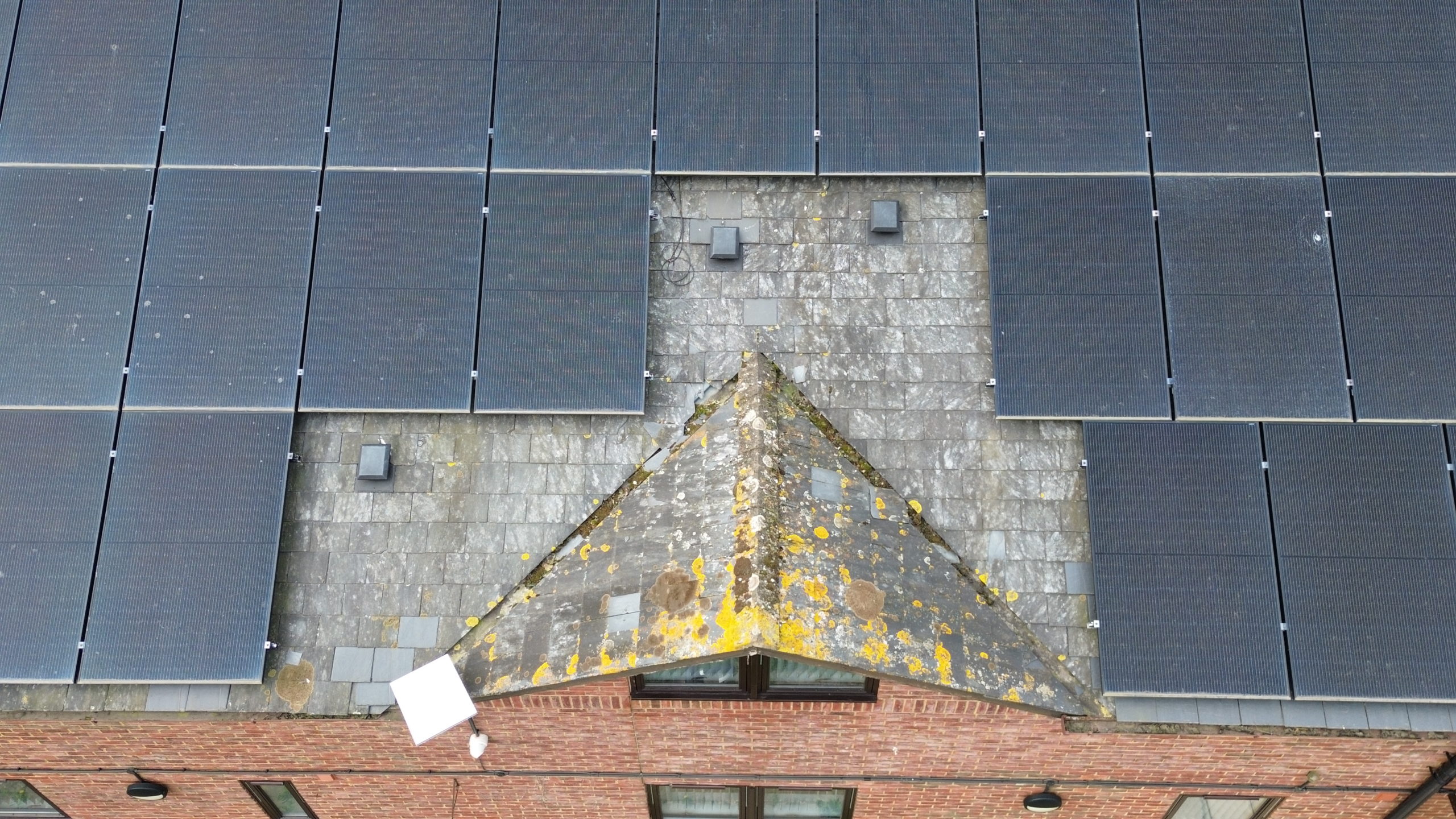
Reactive maintenance is usually the least useful time to make a property decision
A roof leak at 3pm on a Friday does not leave much opportunity to:
compare repair options; obtain competitive tenders; coordinate access; plan around tenants; combine the works with another maintenance project; or decide whether repair or replacement provides better long-term value.
Reactive maintenance often means the building dictates when you spend money.
Planned maintenance gives the owner or occupier greater control. A PPM programme provides time to:
- Forecast expenditure
- Prioritise high-risk items
- Procure work competitively
- Coordinate projects
- Plan access
- Minimise disruption
- Combine compatible works
- Avoid preventable deterioration
- Build major expenditure into asset budgets
RICS has similarly highlighted that failure to implement maintenance proactively can lead to disruption, lost rental income and reduced asset value.
The objective is not simply to spend more on maintenance. It is to spend at the point where intervention provides the greatest value.
Who needs a Planned Preventative Maintenance Survey?
A Planned Preventative Maintenance Survey can be adapted to a single building, a complex operational site or an entire property portfolio.
The value is not limited to identifying repairs. A well-structured PPM helps owners and occupiers understand when expenditure is likely to arise, which risks matter most and how maintenance should be coordinated with budgets, leases, operations and wider asset strategy.
Commercial landlords and investors
For landlords, a PPM provides forward visibility of major expenditure across roofs, façades, common areas, external works and landlord-retained services.
It can support:
- Annual and multi-year CAPEX planning
- Service-charge budgeting
- Asset business plans
- Lease-event strategy
- Refurbishment planning
- Disposal decisions
- Prioritisation of landlord-retained liabilities
For investment assets, the programme can also help distinguish between routine maintenance, major lifecycle expenditure and value-add improvement works.
Asset and fund managers
For asset managers, the key question is often not simply “what is defective?” but:
When will expenditure arise?
Which assets need capital first?
What can reasonably be deferred?
What is the consequence of delay?
How does the maintenance programme affect the business plan?
Where can lifecycle works and ESG investment be coordinated?
A consistent PPM methodology also allows technical risk and CAPEX to be compared across an investment portfolio rather than reviewed building by building.
Property and facilities managers
A costed maintenance programme provides a practical basis for:
- Annual budgets
- Contractor procurement
- Works programming
- Service-charge forecasting
- Client reporting
- Tracking completed works
- Updating future priorities
It can also help property managers move away from repeated reactive repairs towards a more structured maintenance strategy.
Housing associations and residential portfolio operators
Housing associations and other large residential asset owners often need to manage high volumes of buildings, constrained budgets and competing repair priorities.
A portfolio PPM can help identify and programme expenditure relating to:
- Roofs
- External walls
- Windows
- Communal areas
- Balconies
- External works
- Drainage
- Shared facilities
- Building services where included within the scope
The data can be structured by building, estate, priority, year and cost, allowing capital to be allocated across the stock on a more consistent basis.
Where statutory housing-condition or safety obligations require specialist assessment, those should be treated separately from the general PPM programme.
Logistics hubs and distribution centres
Large logistics sites can carry substantial maintenance exposure because relatively modest rates applied across very large roofs, cladding areas, yards and hardstanding quickly become significant CAPEX.
A PPM for a logistics hub may focus particularly on:
- Large-span roofs
- Rooflights
- Composite cladding
- Rainwater systems
- Loading doors
- Dock levellers
- Concrete slabs
- Service yards
- Roads and drainage
- Fencing and gates
- External lighting
- Specialist MEP installations
Operational continuity is also critical. Planned works may need to be phased around deliveries, loading operations and 24-hour occupation rather than simply scheduled according to technical condition.
Industrial estates and multi-let industrial portfolios
For multi-let industrial estates, a PPM can help landlords understand expenditure across both individual units and shared estate infrastructure.
This may include:
- Roof and cladding programmes
- Estate roads
- Drainage
- Boundary treatments
- Shared yards
- External lighting
- Vacant-unit repairs
- Common services
A consistent programme also allows the landlord to compare units and identify where several similar projects can be procured together.
Shopping centres
Shopping centres present a different maintenance challenge because the asset combines large common areas, multiple occupiers, complex services and continuous public use.
PPM planning may include:
- Roofs and glazed structures
- Façades
- Internal malls
- Entrances
- Public areas
- Car parks
- Service yards
- Lifts and escalators
- Central MEP systems
- Drainage
- External lighting
- Public-realm elements
The programme can also support service-charge planning and future major-works communication, while helping minimise disruption to tenants and customers.
Out-of-town retail parks
Retail parks often contain relatively simple individual units but substantial shared external infrastructure.
The highest future costs may arise from:
- Large roof areas
- Cladding
- Service yards
- Car parks
- Estate roads
- Drainage
- External lighting
- Signage structures
- Landscaping interfaces
- Boundary treatments
A PPM can help the owner coordinate works across the estate, package similar projects and avoid repeatedly mobilising contractors for isolated repairs.
Offices and business parks
For office assets, future expenditure is often spread across both the building envelope and increasingly complex central services.
Typical issues include:
- Roofs
- Façades
- Windows
- Common areas
- Lifts
- HVAC
- Electrical infrastructure
- Lighting
- External areas
- Car parks
- Landscaping
- Public realm
For multi-let offices, the programme can also feed into service-charge budgets, lease-event planning and future Cat A refurbishment strategies.
Owner-occupiers
Businesses occupying their own premises need a maintenance strategy that reflects operational risk as well as building condition.
Unexpected failure of a roof, loading facility, electrical system or HVAC installation can create costs far beyond the repair itself through:
- Lost production
- Business interruption
- Temporary relocation
- Access restrictions
- Emergency procurement
A PPM allows those works to be planned around operational requirements rather than waiting for the building to dictate the timing.
Commercial tenants
Where a commercial lease places significant repairing obligations on the tenant, planned maintenance can help manage those liabilities throughout the term.
That can reduce the risk of relatively minor defects developing into more substantial problems and help prevent avoidable commercial dilapidations exposure at lease expiry.
For larger occupiers with several leased premises, the same approach can be applied across the occupational portfolio.
Schools and education estates
Schools often combine different building ages, construction types and maintenance histories across one estate.
A PPM can support:
- Funding applications
- Annual capital budgets
- Term-time programming
- Safeguarding
- Long-term estate strategy
- Prioritisation between buildings
- Coordination of major projects during holiday periods
This is particularly valuable where funding is limited and projects need to be ranked according to condition, safety, operational consequence and cost.
Healthcare and specialist operational estates
Healthcare, laboratory and other specialist buildings can contain services and areas where failure carries a disproportionately high operational consequence.
For these properties, priority may need to reflect not simply condition but criticality and continuity of use.
Specialist MEP or other technical consultants can be coordinated where systems fall outside the scope of a general building-surveyor PPM.
Charities, community organisations and public-sector estates
For organisations working within fixed funding cycles, a PPM can provide the evidence needed to explain:
- Why work is required
- When it should be undertaken
- What happens if it is deferred
- What level of funding is likely to be required
This can support board approvals, grant applications and longer-term estate planning.
Heritage and listed-building owners
Historic buildings particularly benefit from proactive maintenance.
Minor defects to roofs, rainwater goods, masonry or traditional finishes can develop into substantially more expensive damage if left untreated.
A PPM can establish appropriate maintenance cycles using repair strategies suitable for traditional construction, with support from our specialist Heritage Building Surveyors where required.
Portfolio owners and multi-site organisations
For clients responsible for multiple properties, the greatest value often comes from consistent data across the portfolio.
We can structure PPM reporting so expenditure can be analysed by:
- Property
- Building
- Year
- Priority
- Element
- Cost
- Risk
- Operational criticality
This helps answer a much more useful question than “what does each building need?”:
Where should the organisation allocate its next pound of capital across the whole estate?
For clients requiring a broader strategic assessment of multiple assets, see our Property Portfolio Review Portfolio Review service.
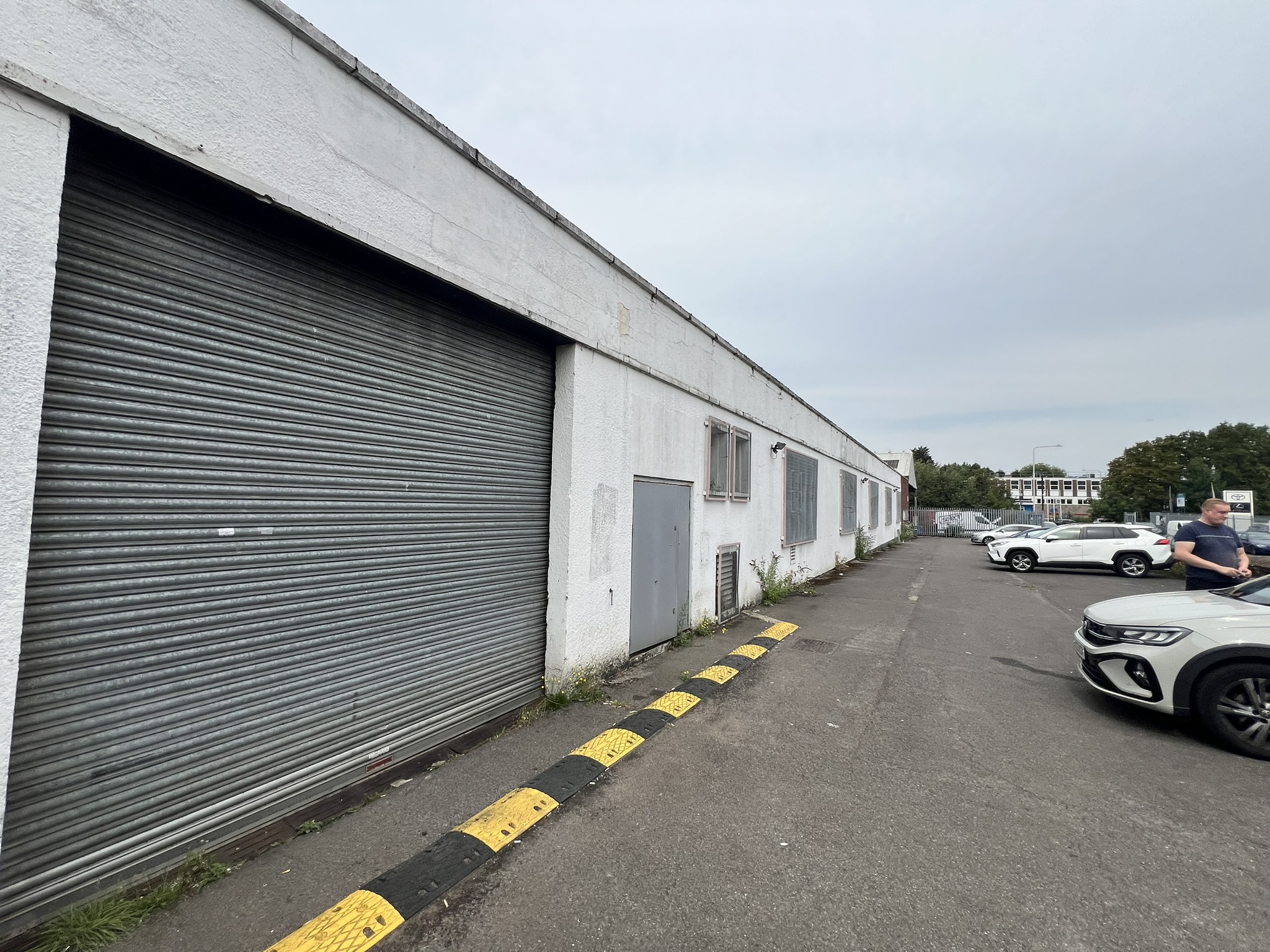
What does a Commercial PPM Survey include?
The scope should reflect the building rather than follow a generic checklist.
RICS expressly requires PPM instructions to be tailored to the property and client requirements.
Depending on the asset, our inspection can include:
Roofs and high-level areas
We assess matters such as:
- Roof coverings
- Rooflights
- Coatings
- Flashings
- Penetrations
- Parapets
- Chimneys
- Rainwater goods
- Walkways and safety systems where visible
- Previous repairs
- Expected maintenance cycles
Where appropriate, high-level access or drone surveying can supplement the inspection.
Façades and external walls
This can include:
- Masonry
- Render
- Cladding
- Curtain walling
- Sealants
- Movement joints
- Windows
- External doors
- Coatings
- Corrosion
- Localised deterioration
Structure
We consider visible evidence of:
- Movement
- Cracking
- Deflection
- Corrosion
- Impact damage
- Deterioration
- Historic alterations
Where an issue requires engineering analysis, we recommend the appropriate specialist investigation.
Internal fabric
This may include:
- Floors
- Walls
- Ceilings
- Doors
- Finishes
- Dampness
- Water ingress
- Common areas
- High-wear zones
External areas
Depending on the property:
- Roads
- Yards
- Car parks
- Paving
- Drainage
- Retaining walls
- Boundary structures
- Fencing
- Gates
- Street furniture
- Landscaping interfaces
Industrial and logistics elements
For industrial assets, significant expenditure can arise from:
- Large roof areas
- Rooflights
- Cladding
- Concrete floor slabs
- Loading areas
- Roller shutters
- Dock installations
- Service yards
- External drainage
- Tenant alterations
The PPM therefore needs to reflect the actual risk profile of the asset.
A PPM should tell you more than when something looks old
Condition and age are only part of the decision.
A building component can be in relatively poor condition but have limited financial consequence.
Another element may look satisfactory but create significant operational or financial risk if it fails.
Our maintenance planning therefore considers several questions together.
Condition
What state is the element currently in?
Defect
What deterioration or failure is present?
Consequence
What happens if no action is taken?
Rate of deterioration
Is the problem stable, gradual or likely to accelerate?
Criticality
Could failure affect safety, water-tightness, occupation, income or business operations?
Remedy
Does the element need maintenance, local repair, overhaul or complete replacement?
Timing
When should intervention reasonably occur?
Cost
What budget should be allowed?
Dependencies
Could the work sensibly be combined with another project?
Wider strategy
Is the element likely to be altered, refurbished or removed for another reason?
A useful PPM does not prioritise work purely because something is old. It prioritises expenditure according to condition, risk, consequence and asset strategy.
A Planned Maintenance Report should work with your budget without hiding the building condition
Budgets are real. A maintenance programme that recommends £1 million of work next year to a client with £250,000 available is not particularly useful unless it explains the consequences and choices.
However, a budget constraint should not result in material defects simply disappearing from the report. A PPM can be adapted to the service-charge or available-budget position, but relevant defects still need to be identified so the client understands what is being deferred.
Our approach is therefore to show:
What ideally needs doing
and separately:
How the programme might reasonably be delivered within the available budget.
Where expenditure needs smoothing, we can consider:
- Which work cannot safely be deferred
- Which projects can move
- Which items can be packaged
- Whether temporary repairs offer sensible value
- Whether planned refurbishment supersedes maintenance
- What consequences arise from delay
- Where additional funding may be required
A good PPM should help you manage a constrained budget. It should not manipulate the building condition to make the spreadsheet fit the budget.ecide what can safely move when budgets change.
Why choose Fourth Wall for a Planned Preventative Maintenance Survey?
Risk-led maintenance planning, not just condition ratings
A Planned Preventative Maintenance Survey should help you decide what deserves attention first, not simply tell you what is in poor condition.
We assess significant items against condition, likely deterioration, consequence of failure, operational importance, safety, timing, cost and risk of deferral.
This creates a more useful PPM survey and CAPEX plan, helping landlords, asset managers and property managers distinguish between urgent repair, short-term maintenance and longer-term lifecycle expenditure.
Strong technical building knowledge backed by practical delivery experience
Our commercial work extends beyond surveys into defect diagnosis, roof and façade inspections, Pre-Acquisition Surveys, Commercial Dilapidations, repair specifications, Project Management and Contract Administration.
That gives us practical insight into how buildings fail and how repairs are actually delivered.
Rather than simply recommending replacement because an element is old or deteriorated, we consider why it is failing, whether repair is proportionate, when intervention is required and what the work is likely to involve.
Realistic cost planning that works with your budget
A Planned Maintenance Report is only useful if the cost information can support real financial decisions.
Where cost advice forms part of the scope, we consider quantities, repair methodology, access, preliminaries, phasing, project packaging and likely procurement rather than relying solely on generic rates.
If the ideal programme exceeds the available budget, we help identify what should not be deferred, what can reasonably move and what the consequences of delay may be.
The building condition remains visible even when capital is constrained.
Asset, portfolio and ESG strategy built into the PPM
We do not prepare maintenance programmes in isolation from the reason the client owns or occupies the property.
The PPM schedule can be structured around the asset’s hold period, lease events, service-charge strategy, operational requirements, refurbishment plans, disposal strategy and wider ESG objectives.
For portfolio clients, including housing associations, logistics portfolios, industrial estates, shopping centres, out-of-town retail, schools and multi-site organisations, reporting can be standardised by property, priority, year, risk and cost so capital can be compared and allocated across the estate.
Where appropriate, we also identify opportunities to coordinate lifecycle expenditure with energy improvements, repair and reuse, accessibility and wider asset-performance objectives.
Coordinated specialist advice with one point of contact
Building services, structures, drainage, façades and other specialist elements can materially affect a long-term maintenance programme.
Where detailed MEP lifecycle advice is required, we work with several specialist MEP consultancies committed to the level of service and reporting we expect for our clients.
Fourth Wall remains the single point of contact, coordinating specialist findings with the building fabric, risk priorities and CAPEX programme.
Our dedicated heritage expertise can also be incorporated where a PPM includes listed or historic buildings requiring conservation-led maintenance advice.
Director-led advice from survey through to completed works
Fourth Wall provides a Director-led Chartered Building Surveying service rather than treating the PPM as a one-off spreadsheet exercise.
Clients have direct access to experienced surveyors who can discuss priorities, challenge assumptions and explain why expenditure has been allocated to a particular year.
Where required, we can then take priority items forward through:
Further investigation → repair strategy → specification → tendering → contractor appointment → Project Management / Contract Administration → completion → PPM update
Planned Preventative Maintenance Case Studies
Planned Maintenance & CAPEX Strategy | St John’s, Manchester
25-year maintenance programme across a c.6-hectare public realm asset
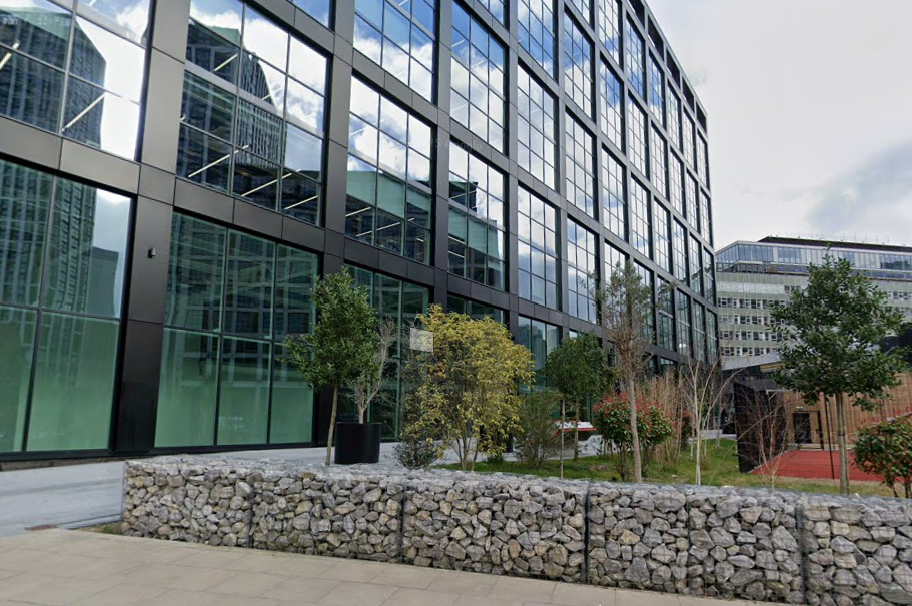
Fourth Wall was instructed to prepare a long-term Planned Preventative Maintenance and CAPEX programme for the extensive public realm at St John’s in Manchester.
The instruction covered approximately six hectares of external assets and infrastructure, requiring the client to understand not only existing defects but how maintenance and capital expenditure should be prioritised over a much longer investment period.
Our assessment considered condition, lifecycle, likely deterioration, urgency and the practical timing of future interventions. Rather than presenting the client with a single headline liability, expenditure was structured across the programme so the asset-management team could understand when capital was likely to be required and which projects should take priority.
The base programme identified approximately £1.15 million of planned expenditure over 25 years, including more than £271,000 of earlier lifecycle requirements.
We also considered where maintenance expenditure could be coordinated with wider asset and ESG objectives, helping the client distinguish between essential repair, lifecycle replacement and opportunities to improve the wider asset.
c.6 hectares | 25-year PPM | c.£1.15m planned expenditure | £271k+ early lifecycle CAPEX
Planned Maintenance & CAPEX Review | Residential Block, Leeds
10-year fabric and MEP maintenance strategy for an eight-storey residential development
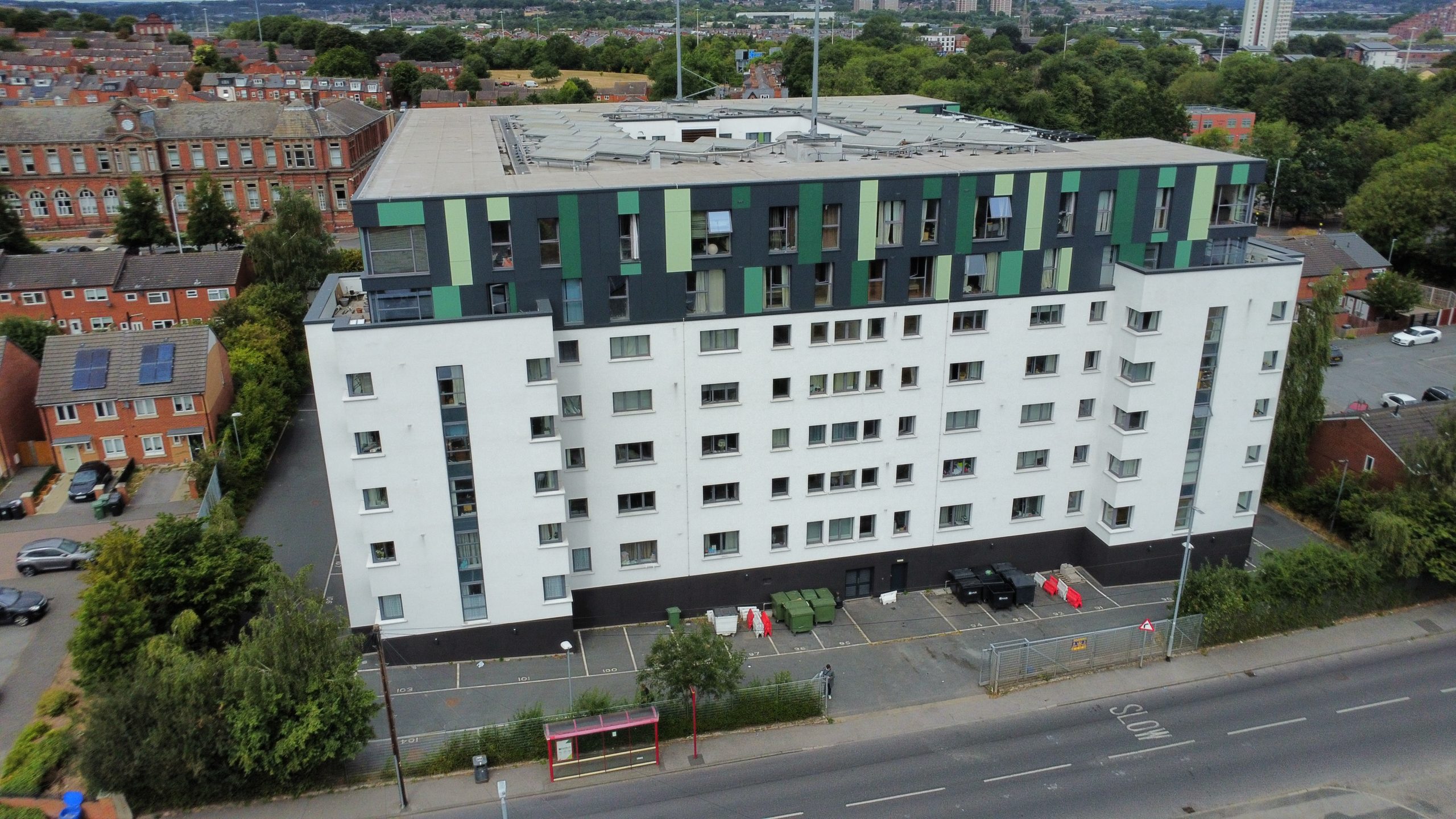
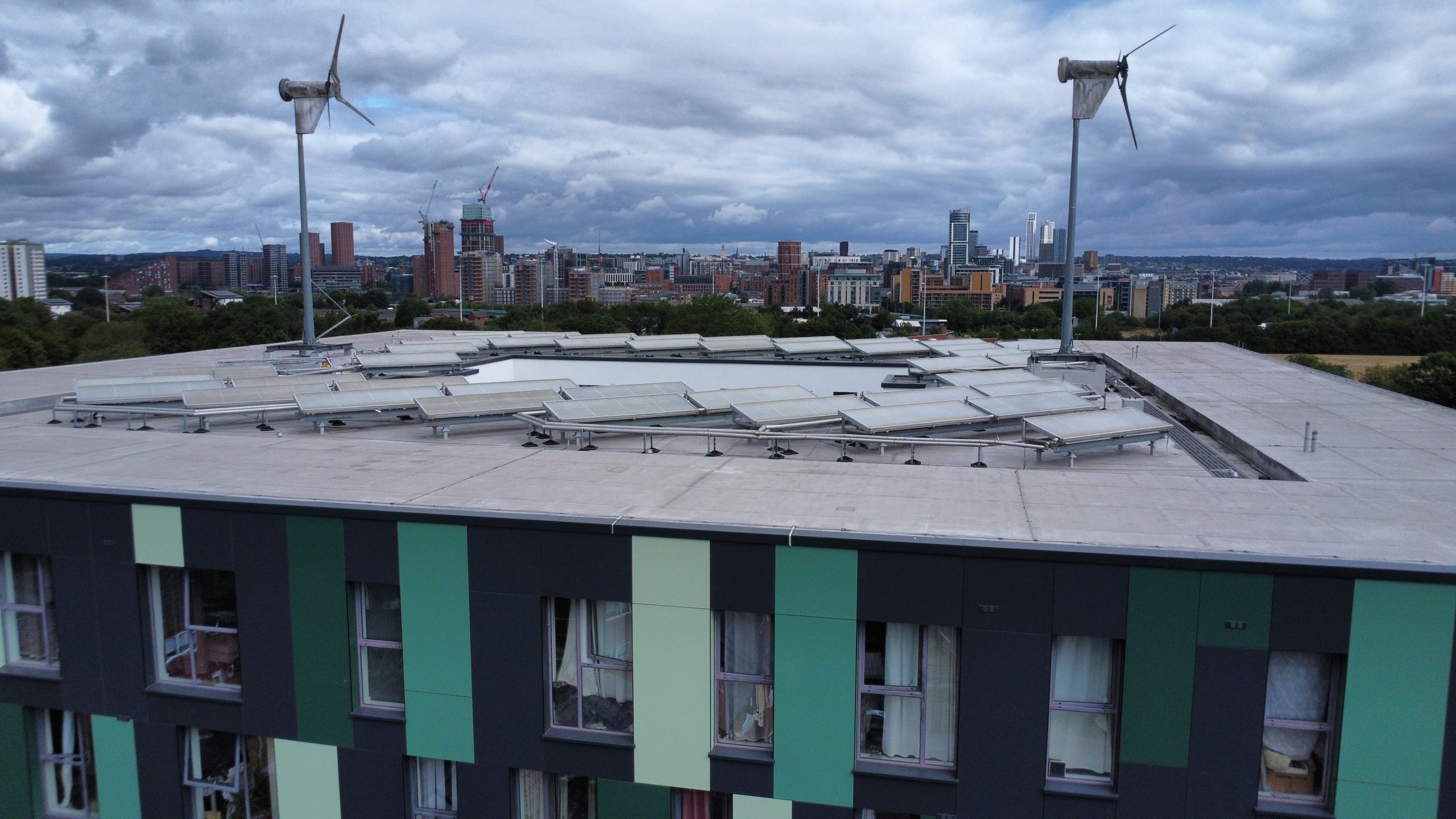
Fourth Wall was instructed to prepare a comprehensive Planned Preventative Maintenance Survey and CAPEX programme for The Greenhouse on Beeston Road, Leeds.
Originally constructed in 1938 and extensively refurbished in 2010, the building now comprises eight storeys of residential accommodation with commercial space at ground and first-floor level. The age of the original structure, subsequent redevelopment and complexity of the building services meant the client needed more than a conventional condition survey.
Our role was to establish a clear long-term view of building condition, immediate risks, future lifecycle expenditure and maintenance priorities across the landlord-controlled areas.
The challenge
The building contained a mixture of recently renewed elements, ageing fabric and services approaching significant lifecycle intervention.
The client needed to understand:
- Which defects required immediate action
- What could reasonably be planned over future years
- Where further specialist investigation was required
- How fabric and MEP expenditure should be coordinated
- What level of capital should be anticipated across the maintenance period
- Which apparently low-cost items carried disproportionate safety or operational risk
Simply providing a headline condition rating would not have given the property team enough information to plan future expenditure.
A coordinated fabric and MEP approach
Fourth Wall undertook the building-fabric assessment, including roofs, façades, external areas, basement areas and landlord-controlled internal accommodation.
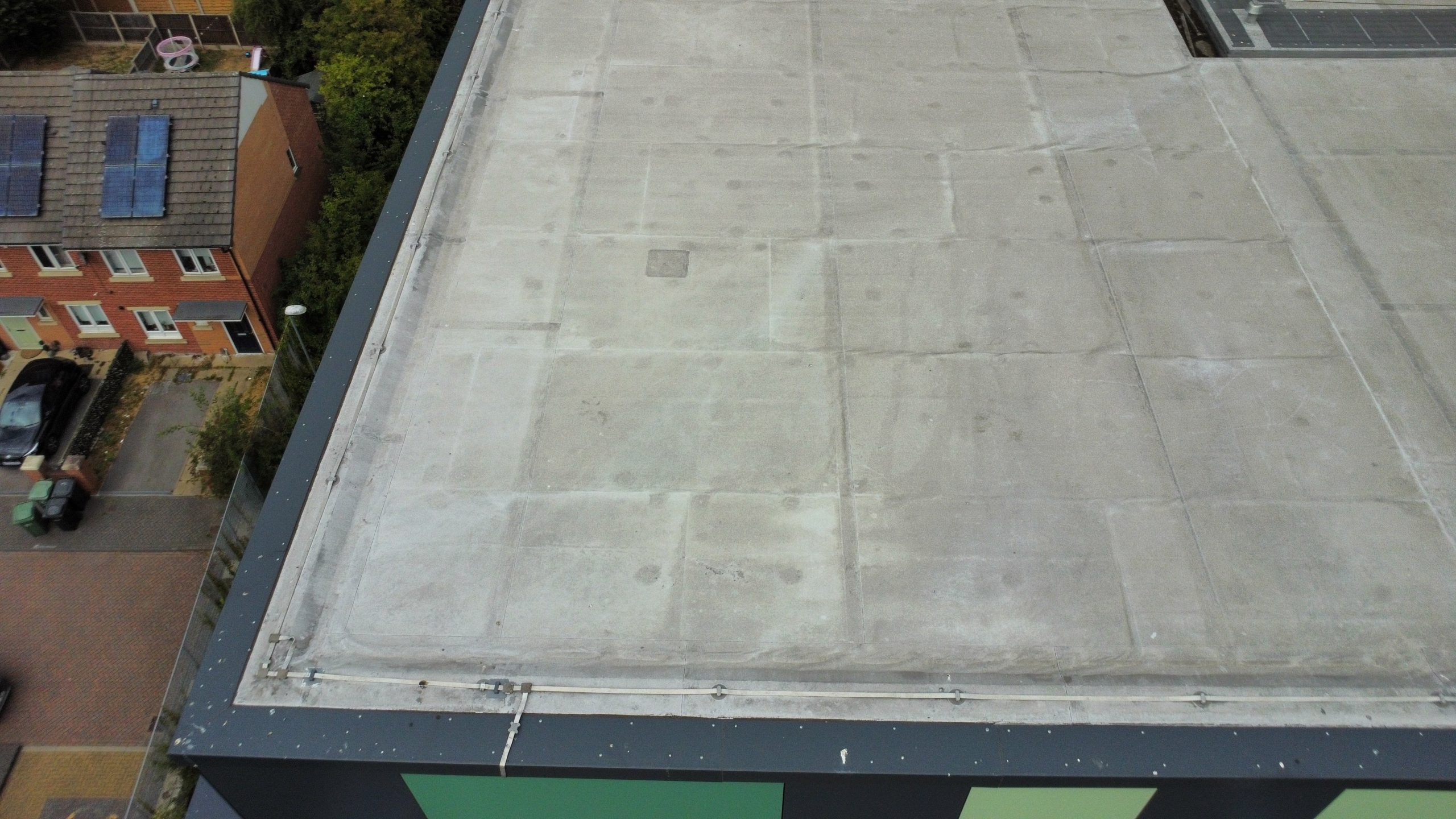
The survey identified issues including local deterioration and de-bonding to roof coverings, defective rainwater details, façade repairs, drainage maintenance, external surfacing defects, access improvements and safety-related works to external installations.
Specialist MEP Technical Due Diligence and lifecycle assessment was undertaken alongside our survey by Crookes Walker Consulting, allowing the maintenance programme to consider the services as part of the same wider asset strategy.
That specialist review identified several significant future considerations, including ageing heating and cooling equipment, an inoperative solar-thermal installation, out-of-service wind turbines, lighting and emergency-lighting works, fire-alarm issues, lightning-protection defects and gaps in servicing, testing and statutory records.
This allowed the client to receive a much more complete view of fabric + services + future CAPEX, rather than several disconnected technical reports.
Turning hundreds of observations into a usable capital plan
Each significant item was assigned an appropriate condition and priority before expenditure was distributed across:
Urgent | Year 1 | Year 2 | Year 3 | Year 4 | Year 5 | Years 6–10
The combined programme identified approximately £4.51 million of indicative expenditure across the ten-year period, with the largest sums relating to longer-term lifecycle replacement as well as significant earlier maintenance and remedial requirements.
How long should a Planned Preventative Maintenance programme cover?
There is no universal answer.
RICS notes that PPM programmes are commonly prepared for 5–10 years, although they can extend to 30 years and should be regularly updated.
We tailor the period to the purpose of the report.
5-year PPM
Useful where the focus is near-term budgeting, a shorter investment hold or an operational business plan.
10-year PPM
Often provides a useful balance between near-term accuracy and visibility of larger lifecycle expenditure.
20–30-year lifecycle plan
Longer programmes can be useful for:
- Institutional estates
- Public-sector property
- Schools
- Long-term owner-occupiers
- Heritage estates
- Major public realm
- Strategic asset planning
As the forecast extends, uncertainty increases.
The report should therefore avoid presenting a cost 25 years away as though it is accurate to the nearest pound.
Longer-range figures are strategic allowances, not tender prices.
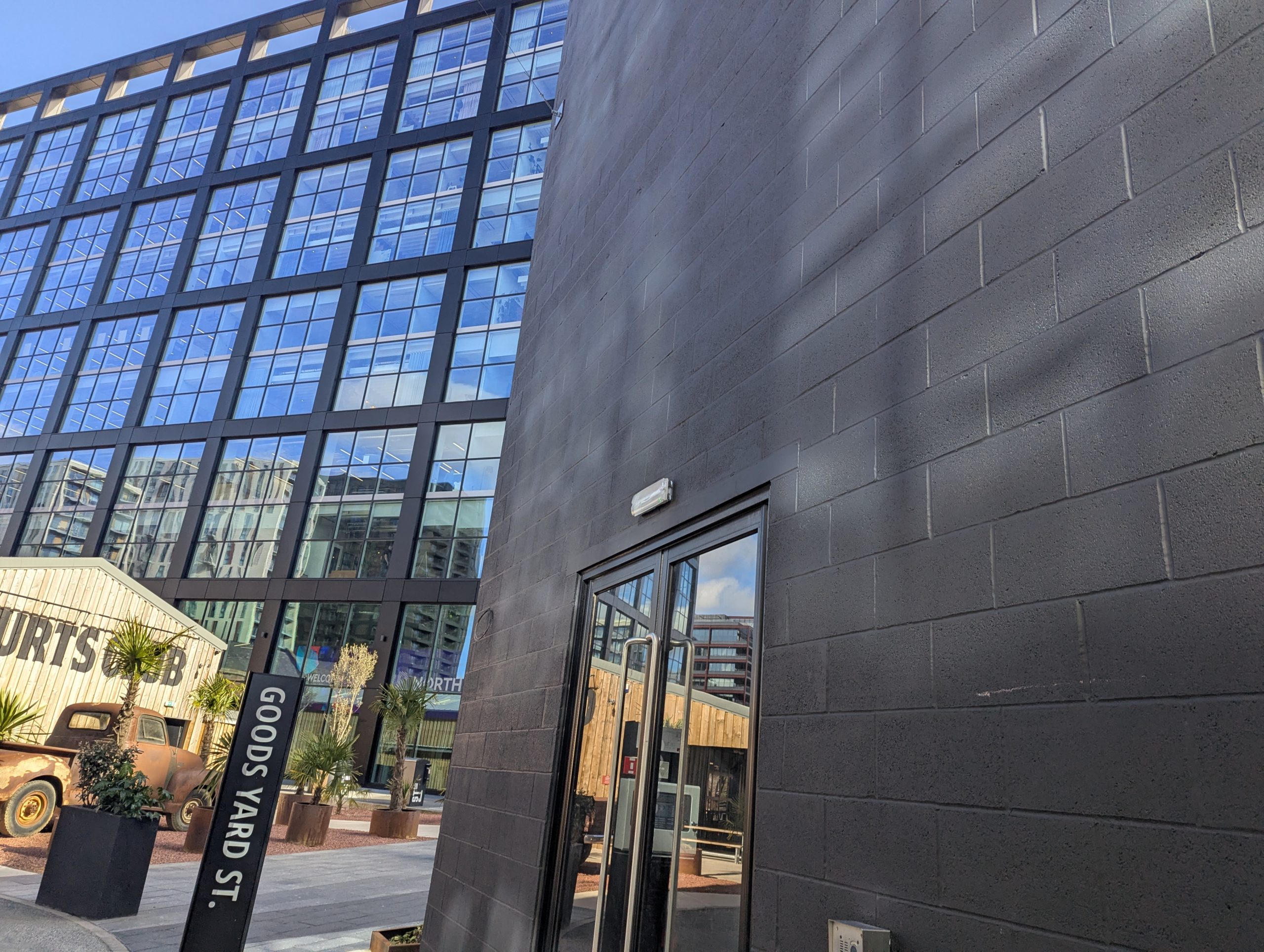
We forecast CAPEX without creating false precision
Budget costing is one of the most valuable parts of a PPM and one of the easiest to misuse. An indicative repair budget is not the same as a contractor’s tender. Depending on the item, we consider:
- Scope
- Quantity
- Repair methodology
- Access
- Scaffolding or MEWPs
- Contractor preliminaries
- Overheads and profit
- Interfaces
- Waste
- Programme
- Phasing
- Location
- Procurement approach
RICS similarly recommends that budget figures are presented with appropriate caveats because they remain estimates subject to market conditions, specification and later project development.
Current cost versus future cost
We can structure schedules using present-day cost bases and, where required, separately model future inflation assumptions. We prefer this to concealing an assumed inflation rate within every figure. That allows the client to understand: the underlying technical cost and the financial forecasting assumption applied to it.
Cost confidence
Not every budget has the same level of certainty. Replacing a known quantity of standard paving may be relatively straightforward to budget. Allowing for the eventual renewal of an ageing specialist façade system may require a broader range until investigation and design have progressed.Where useful, the report can identify cost confidence or areas requiring further feasibility work, rather than giving every line item the same false precision.
Turning the PPM into an annual CAPEX plan
A useful Planned Maintenance Report should be capable of becoming part of the organisation’s actual budget process.
Instead of leaving the client with hundreds of disconnected schedule items, we can summarise expenditure by:
- Year
- Priority
- Building
- Element
- Property
- Project package
- Landlord / tenant responsibility where known
- CAPEX category
- ESG opportunity
- Operational criticality
For example, ten individual roof items might sensibly become one Year 2 roof works project rather than ten separate procurement exercises.
Likewise, façade access costs may mean several maintenance activities should be undertaken during the same scaffold period.
This is where technical survey knowledge and practical project experience add value.
The cheapest way to undertake each individual repair is not always the cheapest way to maintain the building as a whole.
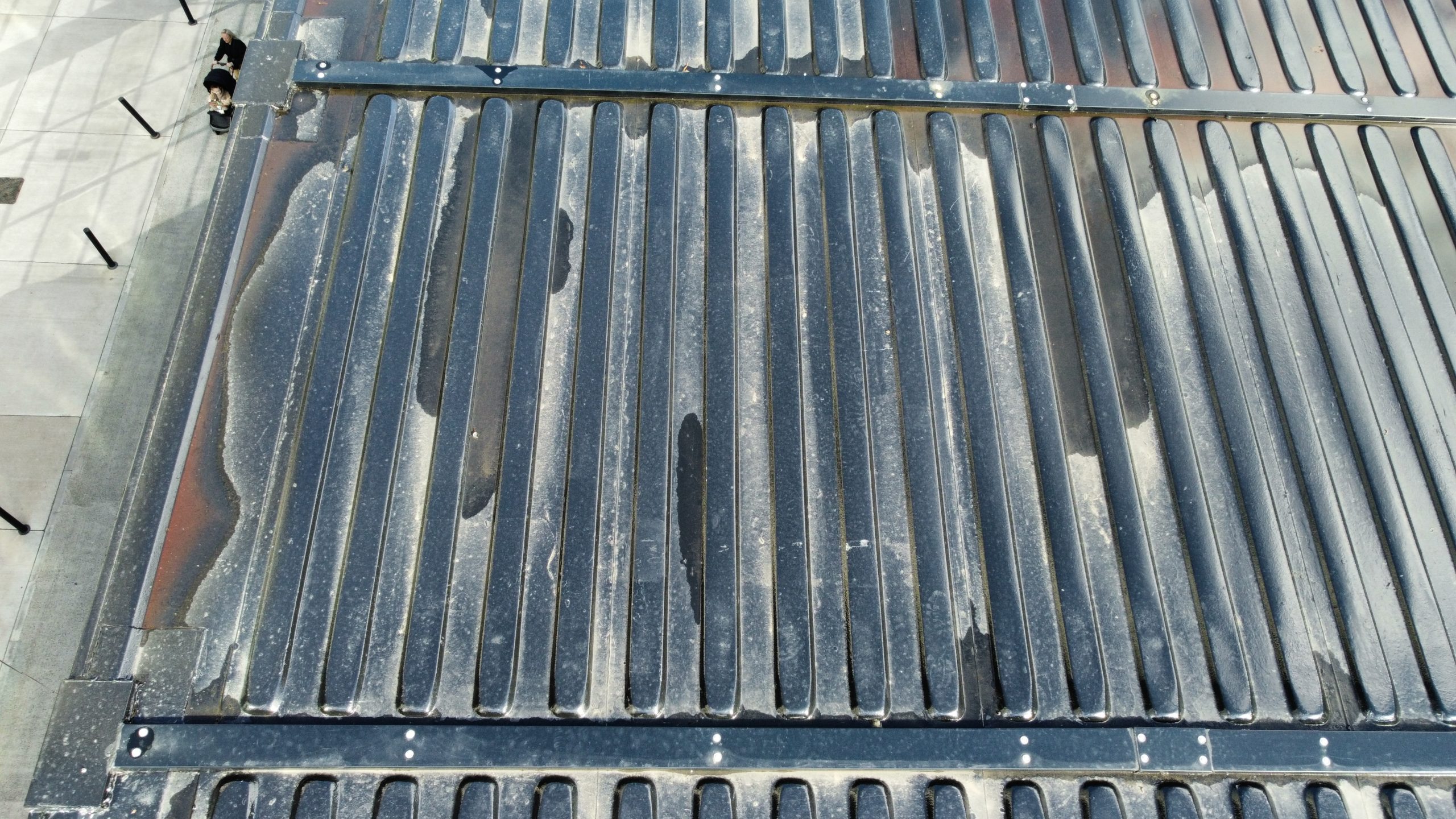
Not every expensive item is urgent. and not every urgent item is expensive
This distinction is important when setting annual budgets.
A £2,000 repair that prevents continuing water ingress may deserve higher priority than a £150,000 replacement project that can reasonably be planned several years ahead.
We therefore separate priority from value.
A typical programme might distinguish:
Priority 1: Immediate / critical
Matters requiring urgent action because of:
- Safety risk
- Active failure
- Significant water ingress
- Rapid deterioration
- Operational consequences
- Risk of substantial consequential damage
Priority 2: Short-term
Work that should be addressed within the early years of the programme to prevent deterioration or maintain performance.
Priority 3: Planned lifecycle
Repair or replacement that can reasonably be programmed within the medium term.
Priority 4: Routine / cyclical
Recurring activities such as decoration, cleaning, coating renewal or scheduled maintenance.
This helps avoid a common problem with maintenance spreadsheets: a long list of expenditure without enough information to decide what can safely move when budgets change.
Planned maintenance and commercial service charges
For multi-let commercial property, a PPM can be an important input into service-charge budgeting and anticipated major expenditure. However, identifying work in a PPM does not automatically mean the cost can be recovered from tenants. Recoverability depends on the leases and the nature of the expenditure. For example, the distinction between: repair and improvement can be important. RICS notes that some leases permit recovery of repairs and like-for-like replacement but not improvements or upgrades. Your solicitor or property manager should advise on the lease and recoverability. Our role is to provide a clear technical description of:
- Existing condition
- Reason for the work
- Recommended remedy
- Timing
- Indicative cost
That gives the property-management and legal team a much stronger factual basis on which to assess the service-charge position.g every line item the same false precision.
How can a PPM help with major works and service-charge funding?
A large future project can create problems if it only appears in the budget when the work becomes unavoidable.
An effective maintenance plan provides earlier visibility.
For example, if major roof works are expected in Year 5, the landlord and property manager can start considering:
- Lease recoverability
- Existing reserve arrangements
- Tenant communication
- Procurement timing
- Whether money can be accumulated
- Whether expenditure should be forward funded
- Whether the landlord will need to finance part of the project
The current RICS Service Charges in Commercial Property, 2nd edition, effective from 31 December 2025, places particular emphasis on transparency and includes voluntary templates dealing with retained budget monies, forward funding of future works and deferred recovery/payment arrangements. See RICS – Service Charges in Commercial Property for the current professional standard.
A PPM does not determine the legal recoverability of those costs. It gives the landlord and manager the technical and financial foresight needed to start the conversation early.
Building services need their own level of scrutiny
Mechanical, electrical and public-health installations can represent some of the largest lifecycle costs within commercial property.
They may include:
- Heating
- Cooling
- Ventilation
- Electrical distribution
- Lighting
- Controls
- Water systems
- Drainage
- Lifts
- Fire installations
- Specialist plant
The RICS PPM professional standard is principally concerned with the type of built-asset maintenance assessment undertaken by a building surveyor. It expressly distinguishes this from specialist MEPF asset and component-replacement planning.
Where the building size, age or complexity warrants specialist MEP input, Fourth Wall works with several specialist MEP consultancies committed to the level of service and reporting we expect for our clients.
We remain the single point of contact, coordinating building-fabric and MEP findings into one wider maintenance and CAPEX strategy. This avoids a common problem where the client receives:
one fabric spreadsheet;
one M&E spreadsheet;
different cost assumptions;
different programme periods;
and no clear view of the combined annual expenditure.
Our aim is a coordinated asset plan.
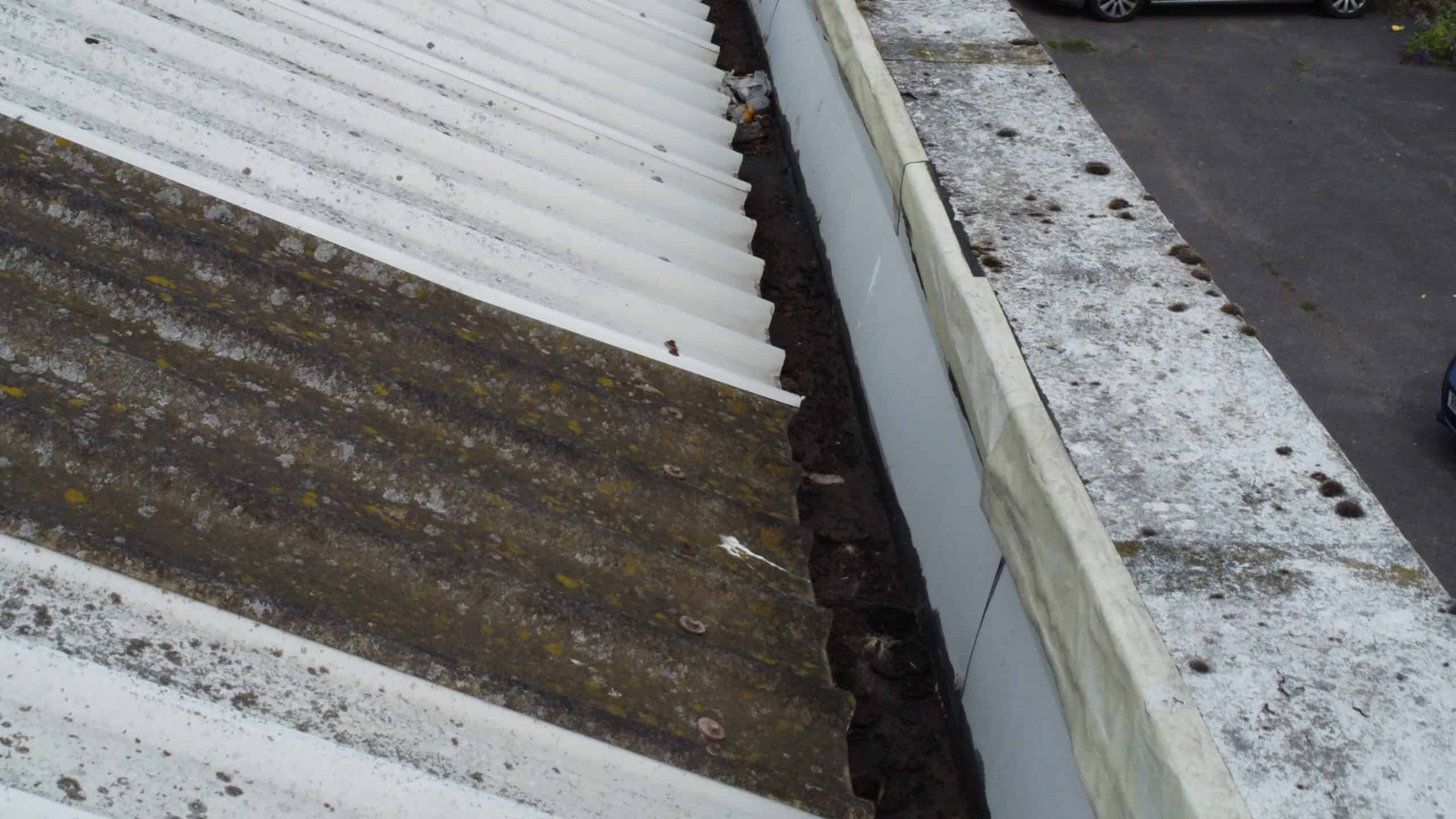
Life-safety issues do not disappear because they fall below the budget threshold
Some clients use materiality thresholds within large PPM programmes. For example, the detailed schedule may be intended to focus on projects above a particular value. That can be a practical reporting tool, but it should not mean smaller issues with serious consequences are ignored.
RICS emphasises that surveyors retain a duty to report apparent life-safety risks, irrespective of the narrower commercial scope of the inspection. We therefore distinguish between: financial materiality and risk materiality.
A low-cost loose component at height can demand more urgent action than a far larger future decorating project.
Planned maintenance and landlord or tenant responsibility
A PPM identifies what the building requires.
It does not necessarily follow that the person commissioning the report must pay for every item.
Where the property is leased, responsibility may be influenced by:
- The repairing covenant
- Extent of demise
- Common areas
- Service-charge provisions
- Schedules of Condition
- Licences for Alterations
- Landlord-retained structure
- Tenant installations
Your solicitor determines the legal interpretation.
From a building-surveying perspective, we can help identify the physical issue and relate the maintenance need to the relevant part of the property.
For tenants with substantial repair obligations, proactive maintenance can also reduce the risk of defects accumulating towards lease expiry. See our Commercial Dilapidations Surveyors service.
A PPM should support ESG strategy. not sit alongside it as a separate wish list
Maintenance, lifecycle expenditure and ESG are increasingly part of the same asset-management decision.
A Planned Preventative Maintenance programme identifies when money is likely to be spent on the building. That creates a practical opportunity to ask whether necessary repair or replacement works can also improve energy performance, resilience, occupier experience and long-term asset performance without creating unnecessary additional projects.
The objective is not to add an ESG section to the end of the PPM. It is to identify where planned CAPEX and wider asset objectives can sensibly be delivered together.
Repair and retain before unnecessary replacement
The most sustainable intervention is not always replacement.
Where an existing roof, façade component, floor finish or other building element can be economically repaired and its useful life extended, that may provide better financial and environmental value than premature renewal.
Our PPM therefore considers the appropriate technical intervention rather than automatically forecasting replacement because an element has reached a particular age.
This can help reduce both capital expenditure and unnecessary embodied carbon while retaining serviceable building fabric for longer.
Use lifecycle events as opportunities to improve the asset
Major maintenance projects are often the most efficient point at which to consider wider improvements.
For example, if a roof is already approaching major renewal, the asset manager may also want to investigate enhanced insulation, roof-mounted renewables or other improvements while access and construction works are already planned.
Likewise, where ageing heating, cooling or lighting systems are approaching replacement, the lifecycle programme can help identify the point at which a necessary capital project could also support the property’s energy and decarbonisation strategy.
The important distinction is between: expenditure required to maintain the existing asset and additional investment chosen to improve its future performance.
Our reporting can make that distinction clear rather than blending both into one CAPEX figure.
Coordinate projects rather than repeatedly paying for the same access
Good maintenance planning can also reduce unnecessary duplication.
Roof repairs, façade maintenance, rainwater-goods works, high-level inspections and other projects may all require scaffolding, MEWPs, access management or similar preliminaries.
Where the timing and condition allow, packaging compatible works together can reduce repeated mobilisation, disruption and cost while improving the efficiency of the overall programme.
For large estates and portfolios, this can be particularly valuable when several buildings contain similar elements approaching the same maintenance cycle.
Identify ESG opportunities within planned CAPEX
Where ESG forms part of the client’s brief, we can identify relevant opportunities within the maintenance programme rather than producing an unrelated sustainability schedule.
These might include energy-performance opportunities, repair and reuse, embodied-carbon considerations, accessibility improvements, resilience measures, occupier wellbeing issues or areas requiring more detailed specialist assessment.
This allows the asset manager to understand not simply:
What maintenance needs to happen?
but also:
Where are we already spending capital, and can that investment achieve more for the asset?
Support ESG reporting with real asset data
PPM information can also provide useful evidence for wider portfolio and ESG reporting.
Rather than relying solely on high-level aspirations, the programme can identify tangible planned actions such as lifecycle replacement, fabric improvements, energy opportunities, reuse strategies and future investigation requirements.
For portfolio clients, this information can be structured consistently across assets so that property teams can identify where planned expenditure has the greatest potential to support wider ESG objectives.
Keep the maintenance need and ESG enhancement separate
This distinction is important commercially.
A landlord may need to spend £100,000 to repair an existing roof. Choosing to spend a further £40,000 on enhanced insulation or another improvement is a different investment decision.
A good PPM should make those two things visible rather than describing the entire £140,000 as either “maintenance” or “ESG expenditure”.
That provides a clearer basis for CAPEX planning, service-charge discussions, investment approval and ESG reporting.
ESG is most useful when it improves a real asset decision. A good PPM shows where necessary maintenance, lifecycle expenditure and wider asset improvement can be coordinated and where they should remain separate.
What if the maintenance budget is not enough?
This is one of the most useful questions a PPM can answer.
Property teams rarely have unlimited capital.
Where expenditure exceeds available funding, we can help create a rational hierarchy.
First, protect:
Life safety
Water-tightness
Structural integrity
Business continuity
Defects likely to accelerate rapidly
Then consider whether lower-priority items can be:
- Deferred
- Repaired temporarily
- Repackaged
- Combined with later projects
- Undertaken in phases
- Superseded by refurbishment
The report should explain the consequence of those decisions.
A client choosing to defer a project is very different from a client not knowing the project exists.
Stop reacting to the building. Start planning it.
Unexpected building failure usually gives the owner the least time, least procurement choice and least control over when money needs to be spent.
A Planned Preventative Maintenance Survey gives you a structured view of current condition, future repairs and lifecycle expenditure so that maintenance can become part of the asset plan rather than a sequence of emergencies.
Fourth Wall can help you:
- Assess current building condition
- Diagnose significant defects
- Prioritise repair requirements
- Forecast future lifecycle expenditure
- Develop 5-, 10-, 20- or longer-term programmes
- Coordinate specialist MEP advice
- Support service-charge and CAPEX planning
- Structure portfolio-level maintenance data
- Identify ESG opportunities
- Turn priority items into specifications and projects
- Update the programme as work is delivered
Already have an existing PPM?
Send it to us with details of the property or portfolio.
We can review whether the programme still reflects the actual building condition, completed projects and current asset strategy.
Planned Preventative Maintenance for Schools and Education Estates
School and education estates are particularly well suited to Planned Preventative Maintenance because building condition, funding, safeguarding and operational continuity all need to be managed together.
A leaking roof or failed heating system is not simply a maintenance problem in an education setting. It can result in classrooms becoming unavailable, emergency expenditure, disruption to teaching and major works being undertaken at the least convenient point in the academic year.
For academy trusts, independent schools, colleges, universities, local authorities and other education estate operators, a well-structured PPM provides the evidence needed to move from reactive repairs towards a planned programme of maintenance, lifecycle replacement and capital investment.
The Department for Education’s current estate-management guidance similarly emphasises that schools should understand building condition so they can identify necessary work, understand likely costs and prioritise expenditure. Its 2026 condition-survey guidance specifically identifies maintenance, investment and long-term estate planning as key uses of good condition data.
From condition survey to long-term estate plan
A condition survey tells an education provider what state the estate is in today.
The Planned Preventative Maintenance programme takes the next step:
What should we do about it, when should the work happen and what funding is likely to be required?
The DfE’s current guidance describes condition surveys as an important source of objective information for preparing maintenance programmes and future capital investment plans. It also recommends a strategic approach to estate management rather than treating individual property projects in isolation.
Our school and education PPM programmes can therefore bring together:
- Existing defects and deterioration
- Immediate health, safety and weather-tightness priorities
- Cyclical maintenance
- Roof and façade programmes
- Windows and external doors
- Internal fabric
- Drainage and external areas
- Future lifecycle replacement
- Specialist MEP requirements
- Indicative CAPEX
- Further investigations
- Appropriate programme years
The result is a working school estate maintenance plan, rather than a static condition report.
Prioritising limited education capital
Education providers rarely have unlimited capital.
The challenge is therefore not simply identifying everything that could be repaired. It is deciding which projects genuinely need funding first.
A good PPM considers condition alongside:
Safety – could failure create a risk to pupils, staff or visitors?
Weather-tightness – will delaying the work allow water ingress or fabric deterioration to spread?
Operational impact – could failure close classrooms or disrupt teaching?
Likelihood of failure – how quickly is the element deteriorating?
Cost of deferral – could a relatively modest repair become a major replacement project?
Lifecycle – is this a recurring maintenance requirement or an approaching major capital project?
This closely reflects DfE maintenance guidance, which recommends prioritising work according to matters including legal duties, health and safety, security, building-envelope condition, mechanical and electrical systems and likelihood of failure.
The purpose is not to make every defect urgent. It is to identify the relatively small number of issues capable of causing the greatest educational, technical or financial consequence.
Plan major works around the academic calendar
A technically sensible maintenance date is not always a practical delivery date.
Education projects may need to be coordinated around:
- Summer holidays
- Half terms
- Examinations
- Safeguarding requirements
- Pupil circulation
- Specialist teaching spaces
- Residential accommodation
- Contractor segregation
- Noise and dust
- Temporary closure requirements
A roof replacement identified for Year 2, for example, may need design and procurement to begin many months beforehand so construction can take place during a suitable holiday period.
The maintenance programme can therefore consider delivery lead-in as well as technical urgency.
This helps reduce the emergency-project cycle where a failure occurs during term time and the school has little choice over contractor, programme or cost.
PPM for academy trusts and multi-school estates
For a Multi-Academy Trust or education group, the greatest benefit often comes from applying the same methodology across the entire estate.
Instead of each school maintaining a separate spreadsheet, we can structure PPM data consistently by:
School | Building | Element | Condition | Priority | Year | Cost | Risk
This allows the trust to answer much more strategic questions:
Which schools need the most capital over the next five years?
Which roofs present the greatest risk?
Where are heating systems approaching replacement?
Which projects have serious operational consequences if delayed?
Can several similar projects be procured together?
How should limited capital be distributed across the trust?
The DfE’s current guidance similarly promotes reliable estate data, asset-management planning and long-term decision-making at responsible-body level rather than managing buildings solely school by school.
Supporting funding and governance decisions
A well-prepared PPM can also provide governing boards, trustees and senior leadership teams with a clearer evidence base for property decisions.
Instead of a request simply stating:
“The roof needs replacing.”
the decision-maker can see:
what is wrong → why intervention is required → what happens if it is delayed → when it should occur → what budget should be allowed.
That can support:
- Annual capital budgets
- Board approvals
- Funding applications
- Business cases
- Estate strategies
- Longer-term financial planning
A PPM cannot guarantee eligibility for a particular funding stream, but it can provide the technical evidence and prioritisation needed to make better-informed funding decisions.
Coordinate condition, resilience and decarbonisation
Education estate planning increasingly needs to consider more than maintenance alone.
The Department for Education’s 2026 Improve and Renew guidance recommends that schools and colleges develop long-term estate plans addressing condition, suitability, resilience and decarbonisation together.
That creates useful opportunities within the PPM.
If a roof requires major lifecycle works, should insulation or solar feasibility be considered at the same intervention point?
If boilers or other plant are approaching replacement, should the school investigate a wider low-carbon heat strategy before simply replacing them like-for-like?
If windows require significant repair or replacement, could thermal performance and comfort be considered alongside the base maintenance requirement?
The important distinction is between:
the expenditure required to maintain the building
and
additional capital chosen to improve its future performance.
Our PPM can make that distinction clear so maintenance and sustainability programmes complement rather than distort one another.
For broader guidance, the DfE’s Good Estate Management for Schools framework covers maintenance, strategic estate management, governance, sustainability and project delivery.
From PPM to completed school works
The maintenance survey can also become the starting point for delivery.
Once a priority project reaches the appropriate programme year, Fourth Wall can separately assist with:
Further investigation → feasibility → repair specification → budgeting → tendering → contractor appointment → works → completion
through our Project Management and Contract Administration services.
That creates continuity between identifying what the education estate needs and actually delivering the work around the operational requirements of the school.
For schools, good Planned Preventative Maintenance is ultimately about more than protecting the building. It helps protect teaching time, allocate limited capital intelligently and give leadership teams a clearer plan for the estate they are responsible for.
Planned maintenance guidance and related services
What is Planned Preventative Maintenance?
Your existing article is directly relevant and should be internally linked prominently from this page.
Read Fourth Wall’s guide: What is Planned Preventative Maintenance?
What is a Planned Maintenance Report?
The older article can also support the synonym cluster around “planned maintenance report”.
Read: What is a Planned Maintenance Report?
Buying rather than managing an existing asset?
Route users to the revised Commercial Pre-Acquisition Survey page rather than allowing the two search intents to overlap.
Lease-end repair liabilities?
Commercial Dilapidations Surveyors
Managing several assets?
Historic or listed portfolio?
Independent Planned Preventative Maintenance guidance
RICS Planned Preventative Maintenance Professional Standard
This is the primary professional authority I would link from the page.
RICS – Planned Preventative Maintenance of Commercial and Residential Property
RICS guidance on effective PPM
RICS also discusses how properly structured PPM can support asset value, future-proofing and sustainability.
RICS – Getting PPM Surveys Right Brings Multiple Benefits
RICS Commercial Service Charges
For multi-let commercial property and anticipated maintenance expenditure:
Planned Maintenance Report FAQs
Browse some of the common questions that our team are asked when it comes to choosing the survey that’s right for you.
PPM means Planned Preventative Maintenance.
It is a structured approach to identifying and programming maintenance before building elements fail or deterioration becomes more expensive to remedy.
A Planned Preventative Maintenance Survey assesses the condition of the property and converts the findings into a programme showing what work is required, when it should be undertaken, its priority and the approximate budget required.
RICS publishes a dedicated professional standard for Planned Preventative Maintenance of Commercial and Residential Property
A Planned Preventative Maintenance Survey, or PPM Survey, is an inspection and forward maintenance-planning exercise for an existing property or estate.
It typically identifies:
Current defects and deterioration
Recommended repairs
Priority
Appropriate timing
Indicative costs
Future lifecycle replacement
Further investigations
Consequences of delaying work
The output is normally a costed maintenance schedule or CAPEX programme covering an agreed period.
Depending on the agreed scope, our Planned Maintenance Report can include an executive asset summary, element-by-element condition assessment, photographic evidence, defect diagnosis, recommended repairs, priorities, programme years, budget costs, risk of deferral and requirements for specialist investigation.
For portfolio clients, the schedule can also be structured by property, building, priority, year and cost so expenditure can be compared across the estate.
Planned preventative maintenance identifies and schedules work in advance.
Reactive maintenance deals with defects after something has failed or an unexpected issue occurs.
Some reactive maintenance will always be necessary. However, a PPM programme aims to reduce avoidable emergencies, provide greater control over procurement and allow future expenditure to be budgeted.
For schools specifically, Department for Education guidance distinguishes planned preventative and reactive maintenance and recommends an effective planned maintenance regime to reduce disruption, unnecessary expenditure and premature building deterioration.
A PPM gives the owner or occupier greater control over when, where and why money is spent on the building.
It can help:
Reduce unexpected failures
Prevent minor defects becoming major repairs
Forecast CAPEX
Support annual budgets
Plan works around occupation
Package projects efficiently
Prioritise limited funding
Support asset and ESG strategies
The objective is not simply to increase maintenance expenditure. It is to intervene at the point where doing so provides the best technical and commercial result.
There is no meaningful universal cost per square foot.
The fee depends on factors including:
Size and number of buildings
Property type
Construction complexity
Access
Length of the maintenance programme
Level of cost advice
MEP requirements
Number of assets
Reporting and data requirements
A single warehouse requires a very different scope from a shopping centre, hospital estate or 100-building housing portfolio.
Send us the property details and we can recommend a scope and provide a clear fee proposal.
Five- and ten-year PPM programmes are common, although longer periods can be appropriate.
RICS notes that programmes commonly cover 5–10 years but can extend up to around 30 years depending on the client’s objectives.
Fourth Wall can prepare:
5-year plans for shorter-term budgeting;
10-year plans for mainstream asset and lifecycle planning;
or 20–30-year programmes where long-term estate strategy requires greater visibility.
The further into the future the programme extends, the greater the uncertainty around exact timing and costs.
A 10-year Planned Maintenance Plan forecasts significant repairs, cyclical maintenance and lifecycle replacements over the next decade.
It normally identifies:
the building element → condition → recommended work → priority → proposed year → indicative budget.
A 10-year programme often provides a useful balance between foreseeable lifecycle planning and reasonable cost certainty.
A 30-year programme provides a longer-term view of major building lifecycle expenditure.
It can be particularly useful for:
Housing associations
Education estates
Public-sector estates
Long-term owner-occupiers
Institutional property portfolios
Costs in the later years should be viewed as strategic allowances rather than precise construction budgets.
Yes, where cost advice forms part of the agreed scope.
We focus on realistic budget allowances that consider matters such as scope, quantities, access, preliminaries, phasing and how the works are likely to be procured.
These are budget costs for asset planning, not contractor quotations or final tender prices.
Yes.
A good PPM should distinguish between immediate defects and future capital expenditure.
This can include eventual roof renewal, façade works, plant replacement, lifts, hardstanding, drainage or other major lifecycle projects.
This is particularly useful for clients who need to understand not simply the cost of maintaining the building this year but what is likely to fall within their ownership or investment period.
Can a PPM help prepare an annual maintenance budget?
Yes.
This is one of its primary uses.
The programme can summarise expenditure by year, property, priority, building element or project package so it can feed directly into annual maintenance and CAPEX budgets.
Rather than presenting one large ten-year total, the client can understand when the money is actually likely to be required.
That is common.
A useful PPM should help distinguish between:
work that should not reasonably be deferred;
work that can move to a later year;
temporary repairs that may be proportionate;
and
projects that can be packaged or phased differently.
We keep the underlying liability visible and explain the potential consequence of deferral.
A PPM should help the building work with the available budget without pretending defects do not exist.
A PPM should be treated as a working asset-management document.
It should be updated as projects are completed and reviewed more substantially where circumstances change.
A refresh may be appropriate following major repairs, refurbishment, changes in occupation, acquisition, unexpected failures or a significant change in asset strategy.
RICS recommends that PPM programmes are regularly reviewed and updated.
A building-surveyor PPM can consider accessible building services at an appropriate level, but detailed plant-condition and replacement planning may require specialist MEP Technical Due Diligence.
Fourth Wall works with several specialist MEP firms committed to our expected standard of service and reporting.
We remain the single point of contact, coordinating building fabric and MEP findings into the wider maintenance and CAPEX programme.
Yes, but a Planned Preventative Maintenance Survey is not a compliance audit.
It may identify obvious concerns or missing information, but separate inspection, testing or certification may be required for matters such as fire safety, asbestos, electrical installations, lifts, water hygiene and specialist systems.
RICS expressly distinguishes general PPM reporting from separate statutory compliance obligations.
A Condition Survey primarily answers:
What condition is this building in today?
A Planned Preventative Maintenance Survey takes that further:
What work is required, when should we undertake it and what should we budget?
If the purpose is primarily forward maintenance and CAPEX planning, a PPM is usually the more useful service.
A Commercial Pre-Acquisition Survey is transaction-focused.
It asks:
What technical and CAPEX risks am I acquiring if I buy this property?
A PPM normally follows ownership or occupation and asks:
How should this building now be maintained and funded?
Yes.
This can be a useful next stage after Technical Due Diligence.
Significant findings from the Commercial Pre-Acquisition Survey can be developed into a more detailed maintenance programme showing project timing, priorities and future expenditure.
A residential block PPM Survey assesses landlord-controlled and communal parts of an apartment building and develops a planned programme of repair and major expenditure.
Depending on scope, this can include:
Roofs
Façades
Windows
Balconies
Communal areas
External areas
Drainage
Lifts
Shared plant
Lighting
Other common building elements
It allows freeholders, RMCs, RTM companies and managing agents to move from reactive repairs towards structured major-works and reserve-fund planning.
A PPM provides managing agents with independent technical evidence for future maintenance expenditure.
It can help support:
Annual service-charge budgets
Reserve or sinking-fund discussions
Major-works planning
Leaseholder communication
Contractor procurement
Board reporting
Prioritisation between competing projects
It is particularly useful where an existing block is experiencing repeated reactive repairs but there is no reliable longer-term capital plan.
Yes.
A long-term maintenance programme can identify foreseeable major expenditure and the approximate period in which it is expected.
That gives the managing agent, freeholder and financial advisers a much better technical basis for considering future reserve or sinking-fund requirements.
The lease determines whether and how monies can be collected and retained, so legal and accounting advice should be obtained where necessary.
Yes.
A PPM can provide early technical visibility of projects likely to become major works, allowing investigation, specification, consultation and procurement to begin before the works become urgent.
For residential leasehold property, current rules generally require Section 20 consultation where a leaseholder’s contribution to qualifying planned works exceeds £250.
The PPM itself does not constitute the Section 20 process, and the managing agent or legal adviser should manage the statutory consultation requirements.
No.
The PPM identifies what work is expected and when it is likely to be required.
When a particular project reaches delivery stage, a more detailed specification, tender package and Section 20 consultation may be required.
Fourth Wall can separately assist with specifications, tendering and Contract Administration.
Yes.
Following the survey, we can help turn priority projects into:
further investigation → specification → tender → contractor appointment → Contract Administration → completion.
That means the same technical reasoning that identified the problem can continue into the repair project.
Yes.
For residential estates containing several blocks, external areas and shared infrastructure, reporting can be structured by estate, block, component, year, priority and cost.
This makes it easier to understand both individual-building requirements and the wider capital demand across the estate.
Our work at The Greenhouse, Leeds is an example of a coordinated ten-year fabric and specialist MEP maintenance strategy for a complex residential development.
Yes.
Housing associations and registered providers can use condition and maintenance data to develop capital investment programmes, lifecycle replacement strategies and estate-level priorities.
For larger housing portfolios, the information may need to be structured consistently so data can be updated and interrogated across the stock.
RICS is also developing dedicated residential stock-condition guidance targeted at housing associations, local authorities, ALMOs and other housing providers.
A stock condition survey typically gathers consistent condition and component data across a large housing portfolio.
A PPM programme takes condition information and develops it into a programme of future repair, maintenance and expenditure.
For housing providers, the two can work together:
stock condition data tells you what you own and its condition; the maintenance plan tells you when and where capital should be deployed.
Yes.
Depending on the scope, the programme can include communal areas and shared assets such as roofs, façades, corridors, stairwells, entrances, lifts, external areas and drainage.
Where dwellings themselves are also to be surveyed, this may require a broader housing stock condition survey methodology rather than simply a communal PPM.
Yes, provided the data structure is designed correctly from the outset.
For larger housing portfolios, consistent component naming, condition ratings, priorities, programme years and cost assumptions are essential.
The objective should be to create information capable of feeding into the organisation’s asset-management database and investment programme, rather than thousands of disconnected PDF reports.
Effective planned maintenance is particularly important for school estates because building failure can directly disrupt education.
The Department for Education’s current estate guidance identifies condition surveys as an important tool for understanding building condition, planning maintenance, estimating investment requirements and developing long-term estate plans.
A school PPM can turn this information into a practical programme of future works and expenditure.
Depending on the estate, it can consider:
Roofs
Façades
Windows
Internal fabric
External areas
Drainage
Play and circulation areas
Building services with specialist input
Immediate defects
Future lifecycle expenditure
The programme should also consider term dates, safeguarding, operational restrictions and funding cycles when assigning project timing.
There is no single interval suitable for every estate.
Current DfE guidance says the frequency should reflect factors such as the age, type and condition of buildings, with critical elements inspected regularly where failure could affect accessibility or lead to closure.
A PPM should therefore be kept under review rather than treated as an unchanged ten-year forecast.
Yes.
This is one of the strongest applications of portfolio PPM.
Using a consistent methodology across schools allows the trust to compare:
Condition
Risk
Safety
Operational importance
Project cost
Required year
Individual school versus trust-wide priorities
It helps answer:
Which projects across the trust genuinely need capital first?
The DfE’s 2026 guidance similarly emphasises consistent digital condition information and its use in long-term estate planning.
It can provide strong technical evidence identifying the defect, recommended work, priority, programme and indicative cost.
Whether a particular funding route accepts or requires that information depends on the relevant scheme.
The PPM can therefore support the evidence base, but it should not be presented as guaranteeing funding.
Yes.
The DfE’s current long-term estate-planning guidance encourages schools and colleges to consider condition, resilience and decarbonisation together when developing future estate plans.
For example, planned roof or plant replacement may create an opportunity to consider energy improvements at the same intervention point.
The underlying maintenance requirement and additional improvement expenditure should still be clearly distinguished.
Yes, for the building fabric and wider estate-planning aspects that fall within our competence.
Hospitals and healthcare estates require particular consideration of:
Operational criticality
Patient and staff safety
24/7 occupation
Business continuity
Backlog maintenance
Access restrictions
Specialist engineering systems
Where healthcare-specific engineering or compliance assessment is required, specialist healthcare MEP and other consultants should form part of the team.
NHS England’s current Premises Assurance Model emphasises that the healthcare estate must remain safe, high quality and efficient, while recognising the critical role buildings play in delivering clinical care.
Yes.
The underlying principles of condition, priority, lifecycle and cost remain relevant, but operational criticality carries much greater weight.
Failure of a component affecting a clinical area can have consequences far beyond the cost of the repair.
Project timing may also need to reflect:
Clinical activity
Infection-control requirements
Decanting
Access to critical spaces
Resilience
Shutdown periods
The programme must therefore distinguish between physical condition and clinical/operational consequence.
No.
A building-surveyor PPM does not replace specialist maintenance, testing or management required under relevant Health Technical Memoranda, statutory regimes or healthcare engineering standards.
NHS England’s HTM series provides healthcare-specific guidance for specialist building and engineering technology throughout the building lifecycle.
Our role can sit alongside those specialist systems by providing the building-fabric and broader capital-maintenance picture.
Yes, within the areas included in the agreed survey scope.
The programme can identify existing deterioration, deferred works and capital requirements and prioritise them by condition and consequence.
Current NHS estate guidance places significant emphasis on backlog maintenance, infrastructure condition and capital planning.
For clinical engineering, specialist systems and formal NHS backlog classifications, appropriate healthcare specialists should also be involved.
Yes.
Where major lifecycle expenditure is already required, it can be sensible to consider whether wider energy or decarbonisation improvements should be investigated at the same time.
Current NHS England capital guidance specifically encourages organisations to coordinate measures such as heating, insulation, ventilation and lighting improvements with backlog maintenance where appropriate.
A PPM can identify the intervention point; specialist engineering and sustainability advice can then determine the appropriate solution.
Yes.
Logistics hubs can contain very large building elements where comparatively modest maintenance rates translate into substantial CAPEX.
Typical areas include:
Large-span roofs
Rooflights
Composite cladding
Rainwater systems
Loading doors
Dock levellers
Concrete slabs
Yards
Estate roads
Drainage
External lighting
Fencing and gates
Operational continuity should also influence timing because many logistics facilities operate for long hours or continuously.
Yes.
A warehouse or industrial PPM can identify current defects and future lifecycle liabilities across the building envelope, floors, external areas and appropriate services.
For multi-let industrial estates, reporting can also be structured across individual units and shared estate infrastructure.
Yes.
Forward planning allows works to be coordinated around:
Peak operational periods
Loading patterns
Access routes
Contractor segregation
Yard availability
Shutdown windows
This is one of the main differences between a theoretical condition schedule and a usable maintenance programme.
Yes.
Shopping centres require a coordinated approach because they combine multiple occupiers, public areas, extensive common parts and complex services.
A PPM may include:
Roofs and glazed areas
Façades
Internal malls
Entrances
Car parks
Service yards
Drainage
External areas
Lifts and escalators
Central plant through specialist MEP input
The programme can also support wider service-charge and major-works planning.
Yes.
For retail parks, significant expenditure commonly arises from large roofs, cladding, car parks, estate roads, service yards, drainage, lighting and shared external infrastructure.
A portfolio-style maintenance programme can identify where similar projects across multiple units should be packaged together rather than repeatedly mobilising contractors.
Potentially, but the PPM itself does not determine recoverability.
The leases determine whether particular repair and maintenance expenditure can be recovered from tenants and how that process operates.
Our role is to establish the technical need, recommended remedy, timing and indicative cost. The property manager and solicitor should advise on the service-charge position.
Yes.
An office Planned Preventative Maintenance Survey can include roofs, façades, windows, common areas, internal fabric, external areas and appropriate building services.
For larger or multi-let offices, specialist MEP advice may also be required for:
HVAC
Lifts
Electrical infrastructure
Controls
Central plant
The combined programme can support both asset-management and service-charge planning.
Yes.
Mixed-use developments often contain residential, retail, office or leisure uses within the same asset.
The programme can be structured by building, use, responsibility or service-charge area depending on the client’s requirements.
This can be particularly useful where common structures and services serve several occupational components.
Yes.
University and further-education estates can involve numerous buildings of different ages, uses and construction types.
A portfolio PPM can support long-term capital planning, prioritisation between faculties or buildings and programming around academic activity.
Government guidance for further-education estates also specifically encourages regular condition surveys as the basis for planned maintenance and prioritisation.
Care homes require particular attention to operational continuity, vulnerable occupants and the difficulty of undertaking disruptive works in occupied accommodation.
The PPM can identify fabric and lifecycle requirements and help schedule projects appropriately, with specialist fire, MEP or other healthcare advice commissioned where required.
Yes.
Hotels combine intensive occupation with significant roofs, façades, wet areas, guest accommodation and building services.
A Planned Maintenance Survey can help owners programme refurbishment and repair around occupancy while distinguishing routine lifecycle works from discretionary room or amenity upgrades.
Yes.
Historic buildings often benefit particularly from proactive maintenance because relatively minor failures to roofs, rainwater goods, masonry or traditional finishes can lead to much greater deterioration if ignored.
Fourth Wall’s specialist Heritage Building Surveyors can provide conservation-led maintenance advice where required.
Yes.
PPM does not need to be limited to buildings.
Our work at St John’s, Manchester involved a long-term maintenance and CAPEX programme across approximately six hectares of public realm.
Depending on the site, the programme may include paving, roads, drainage, walls, street furniture, landscaping interfaces, lighting and other external assets.
Yes.
For portfolios, we agree a consistent data structure and inspection methodology so results can be compared across assets.
Reporting can be analysed by:
Property | Year | Priority | Element | Risk | Cost | Asset type
This allows clients to understand both individual-building requirements and where capital should be allocated across the whole portfolio.
For wider portfolio strategy, see our Property Portfolio Review service.
Yes, where ESG requirements are included in the brief.
The PPM can identify opportunities to coordinate lifecycle expenditure with matters such as:
Energy improvements
Repair and reuse
Reduced premature replacement
Accessibility
Resilience
Occupier experience
We keep the base maintenance requirement separate from any additional ESG improvement expenditure, which creates clearer information for CAPEX and reporting.
Potentially.
Where the lease places significant repairing obligations on the tenant, maintaining the property proactively can reduce the risk of defects being allowed to accumulate towards lease expiry.
The actual liability depends on the lease and condition of the property.
For lease-end advice, see our Commercial Dilapidations Surveyors service.
Yes.
A PPM can become the starting point for the annual works programme.
Where separately instructed, Fourth Wall can assist with:
further investigation → repair strategy → specification → tendering → contractor appointment → Project Management / Contract Administration → completion.
The PPM can then be updated to reflect completed works.
Useful information includes the property address, floor area, number of buildings, property type, existing plans, required programme period and any previous condition or maintenance information.
It is also useful to know whether you require:
MEP input
Detailed CAPEX costs
Portfolio reporting
ESG categorisation
Service-charge information
A particular data or spreadsheet format
If you are unsure what scope is appropriate, send us the available information and we can recommend one.
Local Knowledge
National Coverage.
We have surveyors based across England in our regional offices. With expert knowledge of their local areas, you know you’re in safe hands.
Fourth Wall // South East
Areas We Cover
London
Mayfair
Pimlico
Kensington
Westminster
Lambeth
Islington
Enfield
Camden
Barnet
Belsize Park
Hampstead Heath
Finsbury Park