
Residential Building Consultancy

RICS Level 2 Homebuyers Survey.
Clear, practical advice before you commit to buying a conventional home.
A RICS Level 2 Survey helps you understand a property’s visible condition, significant defects, likely repair and maintenance needs, and the matters that should be resolved before exchange. It is generally the appropriate choice for a conventionally constructed house, bungalow or flat that appears to be in reasonable condition and has not been substantially altered or extended.
Every Fourth Wall Level 2 Survey is inspected and reported on by one of our own MRICS Chartered Building Surveyors, never outsourced to an external, AssocRICS, or panel surveyor. Rather than relying on the standard RICS report template used by much of the market, we provide a bespoke, property-specific report with a clear executive summary, explained condition ratings, supporting photographs, practical repair advice and focused enquiries for your solicitor.
Our Level 2 Surveys start from £495 including VAT. Send us the Rightmove or agent listing and we will check whether Level 2 provides the right depth of advice before you instruct us. If the property’s age, condition, construction or alterations make a Level 3 or specialist survey more appropriate, we will tell you, its important you get the right level of advice for you as a home buyer.
From £495 including VAT | MRICS-only inspections | Bespoke Level 2 reports | Practical advice | Suitability checked before instruction
What is a RICS Level 2 Survey?
A RICS Level 2 Survey is a detailed visual, non-invasive inspection and report designed principally for conventional houses, bungalows and flats that appear to be in reasonable condition. It assesses the accessible internal and external parts of the property, describes its construction and visible condition, applies clear condition ratings and identifies significant defects, urgent repairs and matters requiring further investigation.
The report also provides practical advice on repairs and ongoing maintenance, highlights issues that could affect your purchase and identifies relevant questions for your solicitor. It does not involve opening up the building fabric, exposing concealed construction or testing electrical, gas, heating and drainage installations.
Previously known as a HomeBuyer Report or HomeBuyer Survey, the Level 2 Home Survey provides more information and advice than a Level 1 Survey or mortgage valuation, but less detailed investigation and repair analysis than a RICS Level 3 Survey.
The RICS guidance on home surveys recommends Level 2 primarily for conventionally constructed homes in reasonable condition that are relatively simple in form and layout. However, age alone should not determine the survey level. Construction, condition, extensions, structural alterations and your plans for the property may make a Level 3 or specialist survey more appropriate. Fourth Wall checks the property particulars before instruction so that you do not commission a survey that is too limited for the building or the decision you need to make.
“I genuinely believe our Level 2 reports are among the most detailed and useful available. We developed our own bespoke format because meeting the RICS standard should be the starting point, not the limit of the advice a buyer receives.
“Each report opens with a detailed executive summary designed to help you, your mortgage adviser and your solicitor understand the property’s most important defects, risks and required actions at a glance. The supporting report then provides the photographs, condition ratings and property-specific technical commentary behind those conclusions.
“Rather than forcing every property through the standard RICS template used by much of the market, we organise the information around the decisions that need to be made. Significant defects, practical repair advice, further investigations and focused legal enquiries are clearly separated so that detailed technical information remains accessible and easy to digest.
“The aim is not to produce a longer report for the sake of it. It is to provide a better-considered report that clearly explains what matters, why it matters and what should happen next.”
Joshua Weston BSc (Hons) MRICS IHBC
Lead Director and Chartered Building Surveyor
Is a RICS Level 2 Survey right for my property?
A RICS Level 2 Survey is generally suitable for a conventionally constructed house, bungalow or flat that appears to be in reasonable condition and has a relatively simple form. However, the right survey depends not only on the property, it also depends on how much explanation, repair advice, cost information and post-report support you want before buying it.
When is a Level 2 Survey usually suitable?
A Level 2 Home Survey may be appropriate for:
- a modern or mid-20th-century house of conventional masonry construction;
- a conventional bungalow that appears reasonably maintained;
- a purpose-built flat where the principal concern is the accessible accommodation and matters affecting the unit;
- a property with a relatively simple layout and few significant alterations;
- a buyer seeking a proportionate assessment of visible condition, significant defects and maintenance requirements; or
- an owner who wants to understand the property’s visible repair and maintenance needs.
The report identifies significant defects, applies condition ratings and provides practical advice on repairs, maintenance, further investigations and matters for your solicitor. It does not provide the same depth of defect analysis, repair options, phasing or cost advice as Fourth Wall’s Level 3 service.
When should I choose a Level 3 Survey instead?
A RICS Level 3 Survey is more likely to be appropriate for:
- an older or traditionally constructed property;
- a substantially extended, converted or altered home;
- a large, unusual or mixed-construction building;
- a property in visibly poor condition;
- a home showing significant cracking, dampness, roof deterioration or structural concerns;
- a buyer planning major refurbishment, extension or structural alterations;
- a property where suitable repair methods require detailed explanation; or
- a purchase where repair costs, priorities and the phasing of future work will materially affect the decision.
A Level 3 Survey can also be chosen for a relatively conventional property when the buyer simply wants more detailed advice. You do not have to select Level 2 merely because the property appears to fit the usual criteria.
The property type is only part of the decision
Age should guide the recommendation, but it should not determine it automatically. A well-maintained 1930s semi-detached house with a simple form and few alterations may be suitable for a Level 2 Survey. The same house with a loft conversion, large rear extension, removed chimney breasts, persistent dampness and significant movement may require the greater investigation and explanation provided by Level 3.
Equally, two buyers considering the same property may reasonably want different levels of advice. One may require a clear assessment of significant visible defects and maintenance needs. Another may want detailed defect diagnosis, repair options, indicative costs, work priorities and greater support when deciding whether to proceed or renegotiate.
Ultimately, the decision depends on the depth of advice and support you want. Our role is to explain what each survey will—and will not—provide, recommend the most proportionate option and warn you if we believe a Level 2 Survey would be too limited for the property or your requirements.
Send us the Rightmove or agent listing before booking. We will review the property and advise whether a Level 2 Survey, Level 3 Survey, Listed Building Survey or Snagging Survey offers the most appropriate level of advice.


Snagging Inspection
Less detailed repair advice.
RICS Level 2
RICS Level 3
A more detailed inspection
Either Level 2 or Level 3 + Enhanced
Either Level 2 or Level 3 + Top Advisory
How do I choose a surveyor for a RICS Level 2 Survey?
Choosing a surveyor involves more than searching for the cheapest RICS Level 2 Survey or selecting the firm with the highest online rating. The service may work to the same RICS framework, but the qualifications of the inspecting surveyor, time allowed, report format, professional judgement and aftercare can differ considerably.
A good Level 2 Survey should give you a clear assessment of the property’s visible condition, identify significant defects and maintenance requirements, and explain what needs to happen before exchange. It should also help your solicitor and mortgage adviser understand the relevant property risks without confusing their respective professional roles.
Before instructing a surveyor, establish who will inspect the property, whether Level 2 is appropriate and what the resulting report will actually provide.
Who advises you when buying a house?
Several professionals may be involved in your purchase, but they perform different roles.
| Professional | Their principal role | What you should not assume |
|---|---|---|
| Estate agent | Markets the property, communicates with prospective buyers and manages the transaction for the seller | The agent is not the buyer’s independent technical adviser and does not undertake a detailed assessment of the building |
| Mortgage adviser | Advises on mortgage products, affordability and the application process | The adviser does not inspect the property or determine its physical condition |
| Mortgage valuer | Assesses whether the property provides suitable security for the lender | A mortgage valuation is not a Level 2 Home Survey and may not identify defects or maintenance liabilities relevant to you |
| Conveyancer or solicitor | Investigates title, searches, contracts, rights, approvals and other legal matters | Legal searches and enquiries do not replace a physical inspection of the property |
| Building surveyor | Assesses accessible construction and visible condition, identifies significant defects and recommends appropriate actions | A visual survey cannot expose concealed construction, determine legal title or fully test specialist services |
| Specialist consultant or contractor | Investigates a defined issue where specialist testing, opening-up or design is justified | Additional investigation should not be commissioned automatically without understanding why it is required |
These roles should complement one another. A good building surveyor identifies the significant physical and technical issues, explains why they matter and converts relevant findings into focused actions for you, your solicitor, mortgage adviser or another specialist.
How can you tell whether a surveyor is suitable?
Consider the following before appointing someone to inspect what may be your largest financial commitment.
1. Find out who will actually inspect the property
Do not assume the person named in the quotation will undertake the inspection. Ask for the inspecting surveyor’s name, professional qualification and relevant experience.
Ask for the name, qualification and relevant experience of the individual who will undertake the inspection and prepare the report. Do not assume that the director or senior surveyor featured on a firm’s website will personally inspect your property.
RICS Home Surveys may be undertaken by appropriately experienced AssocRICS, MRICS or FRICS members. These are different membership grades, and professional competence still depends on the individual surveyor’s training and relevant experience. However, surveyors with full membership of the RICS (MRICS) have generally demonstrated a broader and more technical depth of knowledge and experience at qualification.
Every Fourth Wall Level 2 inspection is undertaken by one of our own MRICS Chartered Building Surveyors. We do not outsource the inspection to an external or panel surveyor or substitute an AssocRICS surveyor after instruction.
Read more about who may carry out your house survey and whether your home surveyor needs to be Chartered.
2. Check that Level 2 is appropriate for the property and your needs
A responsible surveyor should consider the property before recommending a service. A Level 2 Survey is generally intended for a conventionally constructed house, bungalow or flat that appears to be in reasonable condition and is relatively simple in form. Ask whether the surveyor has considered:
- the property’s age and construction;
- its apparent condition;
- extensions, conversions and structural alterations;
- the complexity of its roofs and layout;
- garages, outbuildings and external areas;
- whether it is listed or conservation-sensitive;
- any concerns you have already identified; and
- how much repair advice and purchasing support you want.
A surveyor should also be prepared to recommend a different service. An older, substantially altered, unusual or visibly deteriorated property may require a RICS Level 3 Survey, while a listed or particularly sensitive historic building may be better suited to a Listed Building Survey.
Conversely, you may still choose Level 3 for a relatively conventional home if you want more detailed defect analysis, repair options, phasing and cost advice. The correct survey depends on both the building and the level of support you require.
3. Compare what the Level 2 Survey actually includes
The Level 2 label does not mean that every firm provides an identical report or client experience. When comparing HomeBuyer Survey quotations, establish whether the service includes:
- an inspection by a named, appropriately qualified surveyor;
- accessible internal and external building elements;
- an accessible roof-space inspection;
- visual consideration of services;
- moisture-meter assessment where appropriate;
- clear condition ratings supported by explanations;
- photographs linked to relevant findings;
- an executive summary of the principal risks and actions;
- practical repair and maintenance advice;
- justified recommendations for further investigation;
- focused matters for your solicitor;
- consideration of relevant environmental or site risks;
- a stated report turnaround;
- access to the inspecting surveyor after issue; and
- VAT and any anticipated additional charges.
Also establish what is not included. A Level 2 Survey does not normally include intrusive investigation, specialist testing, a market valuation, structural calculations, asbestos sampling, drainage CCTV or detailed repair costs unless expressly agreed.
Our guide to what a home-survey quotation should include can help you compare different services on a like-for-like basis.t a home-survey quotation should include can help you compare scopes on a like-for-like basis.
4. Ask to see a genuine Level 2 example report
A recent, anonymised sample report is one of the best ways to understand what you are buying. Page count alone tells you very little: a long report may contain extensive standard wording, while a well-structured report may communicate the property-specific findings much more effectively.
When reviewing a Level 2 sample report, consider whether:
- the significant findings are summarised clearly at the beginning;
- condition ratings are supported by meaningful explanations;
- photographs help you locate and understand the defects;
- repair and maintenance advice is practical and proportionate;
- further investigations are explained rather than merely listed;
- matters for the solicitor are specific to the property;
- limitations are clear and relevant;
- technical language is explained; and
- you can readily identify what should happen before exchange.
Fourth Wall uses a bespoke Level 2 report rather than relying on the standard RICS template used by much of the market. Our detailed executive summary is designed to help you, your mortgage adviser and your solicitor understand the property’s principal risks and required actions at a glance, with the evidence and technical commentary set out in the main report.
You can review our example survey reports before deciding whether our approach is right for you.eports with your quote before deciding whether our approach suits you.
5. Look for relevant property and project experience
Local knowledge can be useful, but experience of the property’s age, construction and alterations is often more important than whether the surveyor works a few streets away.
For a Level 2 Survey, look for experience with relevant property types such as:
- modern masonry houses;
- 1930s and other interwar homes;
- post-war houses and bungalows;
- purpose-built and converted flats;
- loft conversions and domestic extensions;
- leasehold buildings; and
- properties showing common concerns such as dampness, cracking or roof deterioration.
The surveyor’s wider professional experience also affects the usefulness of their advice. Experience of defect diagnosis, repair specifications, statutory approvals and project delivery helps a surveyor understand how recommended work is likely to be investigated and completed in practice.
Level 2 advice should remain proportionate to the service. If the property or the buyer’s requirements call for detailed building-pathology analysis, alternative repair options, expenditure phasing or comprehensive cost advice, the surveyor should explain why Level 3 may provide better value.
Our guide considers how much relevant experience a building surveyor should have.g-surveyor reviews can be trusted and explains how to assess online feedback more critically.
6. Do not rely on online reviews or RICS branding alone
RICS membership and firm regulation provide important professional, ethical and consumer-protection standards. However, they do not make every surveyor’s experience, judgement, report or aftercare identical.
Similarly, online reviews can provide useful supporting evidence, particularly when they are recent, detailed and relate specifically to Level 2 Surveys. A high overall rating does not, by itself, establish:
- who will inspect your property;
- what qualification that person holds;
- whether they have relevant property experience;
- how much time will be allowed;
- how property-specific the report will be;
- whether you can speak to the surveyor afterwards; or
- whether the review relates to the same service you are considering.
Give greater weight to reviews that describe the inspection, report quality, significant findings, communication and help provided after the survey. Consider them alongside verifiable professional credentials, named case studies, a sample report and a written scope of service.
Our article examines whether building-surveyor reviews can be trusted and explains how to assess them more critically.
Consider the cheapest Level 2 Survey quotation in context
A lower quotation does not automatically mean a poor survey, and a higher fee does not guarantee a good one. However, surveying involves a balance between price, time, experience and output. A particularly cheap Level 2 Survey may allow less time for preliminary research, inspection, analysis, reporting or aftercare. It may also use a more standardised report or exclude features included within another firm’s service. Before choosing on price, ask:
- Who will undertake the inspection?
- Has the property been reviewed before recommending Level 2?
- What areas will be inspected?
- What will the report contain?
- Is the report bespoke or based principally on a standard template?
- How quickly will it be issued?
- Can I contact the inspecting surveyor afterwards?
- Does the fee include VAT?
- Are any useful features charged separately?
The best-value quotation is the one that provides the right level of advice for the property and your decision—not necessarily the lowest number at the bottom of the email.
Read our guide to choosing the cheapest building-survey quotation.
How Fourth Wall helps you choose if a Level 2 Home Survey is right before you instruct
You do not need to decide which technical service is appropriate before contacting us. Send us the Rightmove or agent listing and tell us about any concerns, proposed alterations or transaction deadlines.
We will review the available property particulars and advise whether a Level 2 Survey appears proportionate. If the building or the depth of advice you require makes a Level 3, Listed Building Survey, Snagging Survey or another investigation more appropriate, we will explain why.
We will also confirm who will inspect the property, what the agreed service includes, the fee, anticipated report turnaround and the support available after issue. This gives you a clear basis for comparing providers before committing to the instruction.
How does Fourth Wall’s bespoke Level 2 report differ from the standard RICS template?
Every RICS Level 2 Survey should comply with the RICS Home Survey Standard. However, working to the same professional standard does not mean every buyer receives the same depth of professional judgement, property-specific advice or quality of presentation.
The standard RICS report template is a valid and recognisable format used by many surveying practices. Fourth Wall meets the same RICS requirements but uses a bespoke Level 2 report developed around the decisions a buyer needs to make.
The inspection remains a visual, non-invasive Level 2 service. The difference is how clearly the property, findings, priorities, responsibilities and next steps are analysed and communicated.
Standard RICS template and Fourth Wall Level 2 report compared
| Area | Standard RICS report template | Fourth Wall bespoke Level 2 report |
|---|---|---|
| Professional standard | Designed to meet the RICS Home Survey Standard | Meets the same RICS standard while using Fourth Wall’s own report structure |
| Executive summary | Provides an overall opinion and highlights important matters within a prescribed format | Opens with a detailed summary of the property, principal findings, further investigations and overall recommendations |
| Actions at a glance | Condition ratings identify elements requiring attention | The findings overview records the issue, recommended action, responsible party and rating in one table |
| Who needs to act | Matters for the buyer and legal adviser are generally addressed within the relevant standard sections | Actions are clearly directed to the purchaser, solicitor or other appropriate party, helping the professional team understand what needs to happen before exchange |
| Building-element analysis | Findings are organised under standard exterior, interior, services, grounds and risk headings | Each relevant element is divided into its general description, observed condition and defects, and further comments or advice |
| Priorities and timescales | Traffic-light condition ratings indicate the relative seriousness of findings | Ratings are supported by defined priority periods, distinguishing immediate action from short-, medium- and longer-term maintenance |
| Services | Provides a visual assessment of services under the standard service headings | Separately addresses electrical installations, heating and ventilation, water and waste systems, fire detection and security, while explaining where records or specialist testing are required |
| Statutory and legal matters | Issues for the legal adviser are usually collected within a prescribed section | Planning, Building Regulations, Party Wall matters and additional legal enquiries have dedicated sections and are connected to the relevant physical observations |
| Wider property risks | Risks are considered within the standard report structure | Dedicated sections address asbestos and deleterious-material risk, environmental and site risks, energy performance and sustainability where relevant |
| Photographic evidence | Photographs may be included to support the commentary | An extensive photographic record supports the observations and helps the buyer locate and understand the matters discussed |
| Conclusion | Provides the surveyor’s overall opinion | Draws the building condition, important limitations and recommended next steps into a property-specific conclusion |
A report designed to be used not filed away
The detailed executive summary is designed to help you, your solicitor and your mortgage adviser understand the property and the principal actions at a glance. You can then refer to the main report for the surveyor’s supporting observations, property-specific commentary and recommendations.
This structure helps you:
- identify the findings that could affect the purchase;
- understand which matters require action before exchange;
- distinguish a physical defect from a documentary or legal enquiry;
- see whether you, your solicitor or another specialist needs to act;
- understand what was visible and what could not be confirmed;
- separate immediate work from future maintenance; and
- find the supporting detail and photographic evidence without searching through a generic document.
The report template alone does not make a good survey. Its value still depends on the competence, experience and professional judgement of the person inspecting the property. Every Fourth Wall Level 2 Survey is undertaken by one of our own MRICS Chartered Building Surveyors, rather than being allocated to an external or panel surveyor.
The scope remains proportionate to a Level 2 Survey
Our bespoke format does not turn a Level 2 Survey into an intrusive investigation. We do not open up concealed construction, test services or provide legal opinions as part of the normal inspection. The report identifies material limitations and explains when records, access or specialist investigation are reasonably required.
Where the property needs more detailed defect analysis, repair specifications, alternative remedial options, cost advice or repair phasing, we may recommend a RICS Level 3 Survey instead.
You can view an example Fourth Wall survey report before instructing us, so you can compare the structure and level of advice rather than selecting a surveyor on price or reviews alone.
Why choose Fourth Wall for a RICS Level 2 Survey?
The RICS Home Survey Standard establishes mandatory requirements and minimum expectations for RICS home surveys. That provides an important professional benchmark, but it does not mean every RICS Level 2 Survey offers the same inspection, professional judgement, report detail or client support.
A Level 2 Survey should be proportionate, not superficial. Its usefulness still depends on who inspects the property, whether they understand its construction and whether their report helps you identify the significant risks and actions before exchange.
1. Your property is inspected by an MRICS Chartered Building Surveyor
Every Fourth Wall Level 2 inspection is undertaken by one of our own MRICS Chartered Building Surveyors. We do not outsource inspections to panel firms or replace the named surveyor with an external or AssocRICS surveyor.
RICS membership and regulation matter, but they do not make every surveyor’s qualifications, experience or professional judgement identical. Before instructing a surveyor, you should know who will inspect the property, the professional designation they hold and whether their experience is relevant to the home you are buying.
Fourth Wall publishes this information rather than asking you to rely on the firm’s name alone. Our guide explains who may actually carry out your house survey and what to ask before instructing.
2. We check whether a Level 2 Survey is the right service
A Level 2 Survey is intended principally for conventional homes in reasonable condition. It can become a false economy if the property’s age, construction, alterations or apparent defects require more detailed investigation and advice.
Send us the Rightmove or estate-agent listing and we will consider:
- the property’s approximate age and construction;
- its size, form and apparent condition;
- significant extensions, conversions or alterations;
- visible indications of disrepair or structural concern;
- whether it is listed or conservation-sensitive; and
- the extent of advice and support you want from the survey.
We will tell you if a RICS Level 3 Survey, Listed Building Survey or Snagging Survey appears more appropriate.
The final decision remains yours. Two buyers considering the same property may reasonably want different levels of advice, depending on their experience, intended alterations, tolerance of uncertainty and need for support.
3. You receive a detailed, bespoke Level 2 report
Many surveying practices issue their findings using the standard RICS report template. It is a valid and recognisable format, but Fourth Wall has developed its own Level 2 report around how buyers and their professional advisers use the information.
The report includes a detailed executive summary setting out the principal findings, condition ratings, recommended actions and the person responsible for taking each matter forward. This helps you, your solicitor and your mortgage adviser understand the property and its important actions at a glance. The supporting report then provides:
- a property-specific description of the building and its construction;
- clearly separated observations, defects and further advice;
- defined priorities for immediate and future action;
- dedicated commentary on accessible building elements and services;
- relevant statutory, environmental and legal considerations;
- focused enquiries for your solicitor;
- an extensive photographic record; and
- a clear overall conclusion.
The objective is not to make the report longer for the sake of it. It is to make significant information easier to find, understand and act upon. You can review an example Fourth Wall survey report before deciding whether to instruct us.
4. Our advice is supported by wider building and project experience
A Level 2 Survey does not provide the same depth of defect analysis, repair design or cost planning as a Level 3 Survey. Nevertheless, the surveyor must still apply professional judgement when deciding what an observation means and what should happen next.
Fourth Wall’s experience extends beyond producing home-survey reports. Our Chartered Building Surveyors also undertake defect investigations, repair design, specifications, statutory-consent applications, contract administration and refurbishment projects.
This broader perspective helps us provide practical, proportionate advice within the Level 2 scope. Where the visible evidence supports a reasonable conclusion, we explain the issue and the appropriate next step. Where access or information is insufficient, we identify the limitation and recommend further investigation only when it is justified.
It also helps us recognise when a property has moved beyond what can sensibly be addressed through a Level 2 Survey.
5. Important pre-exchange actions are clearly identified
A useful home survey should do more than describe the building. It should help the purchasing team understand what needs to be resolved before you become legally committed.
Our report distinguishes between:
- a physical defect requiring action by the purchaser;
- a service requiring records or testing;
- an alteration requiring planning or Building Regulations information;
- a matter requiring investigation by your solicitor;
- an issue that can reasonably be monitored or maintained after purchase; and
- an uncertainty that could materially affect the purchasing decision.
The executive summary identifies who should act, while dedicated sections address planning, Building Regulations, Party Wall considerations and additional legal enquiries where relevant.
Your solicitor remains responsible for investigating title, interpreting legal documents and confirming the status of approvals. Our role is to identify the physical evidence and property-related questions that should inform those enquiries.
6. Our bespoke report is designed around your decision
Fourth Wall does not rely on the standard RICS report template used by much of the residential surveying market. We use a bespoke report developed around the information a purchaser, solicitor and other advisers actually need. The report brings together:
- the most significant purchasing risks;
- property-specific defect analysis;
- clear photographs and explanations;
- immediate, short-term and longer-term priorities;
- indicative costs against material defects;
- a consolidated and phased expenditure summary;
- justified further investigations;
- focused enquiries for your solicitor; and
- clear next steps before and after exchange.
This structure allows you to see what matters, why it matters, what it may cost and what should happen next without piecing the decision together from separate sections of a generic template. Where required, we can liaise directly with your solicitor, coordinate specialist input and provide post-report advice in accordance with your selected package.
Professional expertise you can verify
Fourth Wall is a RICS-regulated practice. The firm is accountable to recognised professional and ethical requirements, maintains appropriate procedures and insurance, and is subject to RICS regulatory oversight.
Fourth Wall is also recognised through the IHBC Historic Environment Service Providers Recognition scheme. Although most Level 2 instructions involve conventional, unlisted homes, this traditional-building expertise helps our surveyors recognise when a building’s construction or significance requires a different approach or a more detailed survey.
We do not expect buyers to rely on anonymous claims about experience. We publish the names, qualifications and professional backgrounds of our surveyors, together with genuine property examples, sample reports and independent client feedback.
You can review the background of Joshua Weston BSc (Hons) MRICS IHBC, Fourth Wall’s Lead Director and a Chartered Building Surveyor. Joshua was named RICS Young Building Surveyor of the Year 2022 and is a former member of the RICS Global Professional Group Panel for Building Surveying and Building Control.
Our experience includes the types of homes regularly suited to Level 2 Surveys: modern houses, purpose-built flats, bungalows and familiar mid-20th-century properties as well as more complicated buildings requiring Level 3 or specialist advice. That breadth helps us understand what is normal, identify what is not and recommend the appropriate next step.
Our residential case studies and independent client feedback allow you to assess that experience for yourself.


Background: 19th Century former Water Tower detached home with accompanying pool hall barns, international standard equestrian facilities and 40 acres of land.
___________
Services: Level 3 Home Survey, including budget costing and negotiation support.
Background: 19th Century former Water Tower detached home with accompanying pool hall barns, international standard equestrian facilities and 40 acres of land.
___________
Services: Level 3 Home Survey, including budget costing and negotiation support.
Background: 19th Century former Water Tower detached home with accompanying pool hall and leisure facilities, garages, barns, 20,000 sq.ft international standard equestrian facilities and 40 acres of land.
___________
Services: Level 3 Home Survey, including budget costing and negotiation support.


What Our Clients Say.
We could tell you how great our team and services are, but that would be too easy. Why not take a look at what some of our previous clients have said?


Excellent customer Service & timely booking of the Survey and report


I wish Josh and his team all the best for the future and I offer Fourth Wall my full recommendation to anyone thinking of using their services!


Selected RICS Level 2 Survey case studies
Many residential survey providers make broad claims about their experience and geographic coverage while giving buyers little evidence of the properties their surveyors have actually inspected. Fourth Wall takes a more transparent approach. The examples below are genuine RICS Level 2 Survey instructions undertaken by our own MRICS Chartered Building Surveyors across Sheffield, Wolverhampton and the West Midlands, Manchester and Berkshire. They range from modern leasehold apartments to familiar mid-century and conventional family homes.
A Level 2 Survey should be proportionate, but it should not be generic or superficial. Every property has its own construction, maintenance history, alterations and purchasing risks. These case studies show how we adapt the inspection and report to identify significant defects, distinguish urgent action from routine maintenance and clearly explain what the buyer, solicitor or another specialist should do next. Where the building or the buyer’s requirements call for more extensive defect analysis, repair-cost advice or project planning, we will recommend a Level 3 or specialist survey instead.
RICS Level 2 Survey | Purpose-built apartment | Penistone House, Sheffield
Separating the condition of the apartment from wider building and leasehold responsibilities
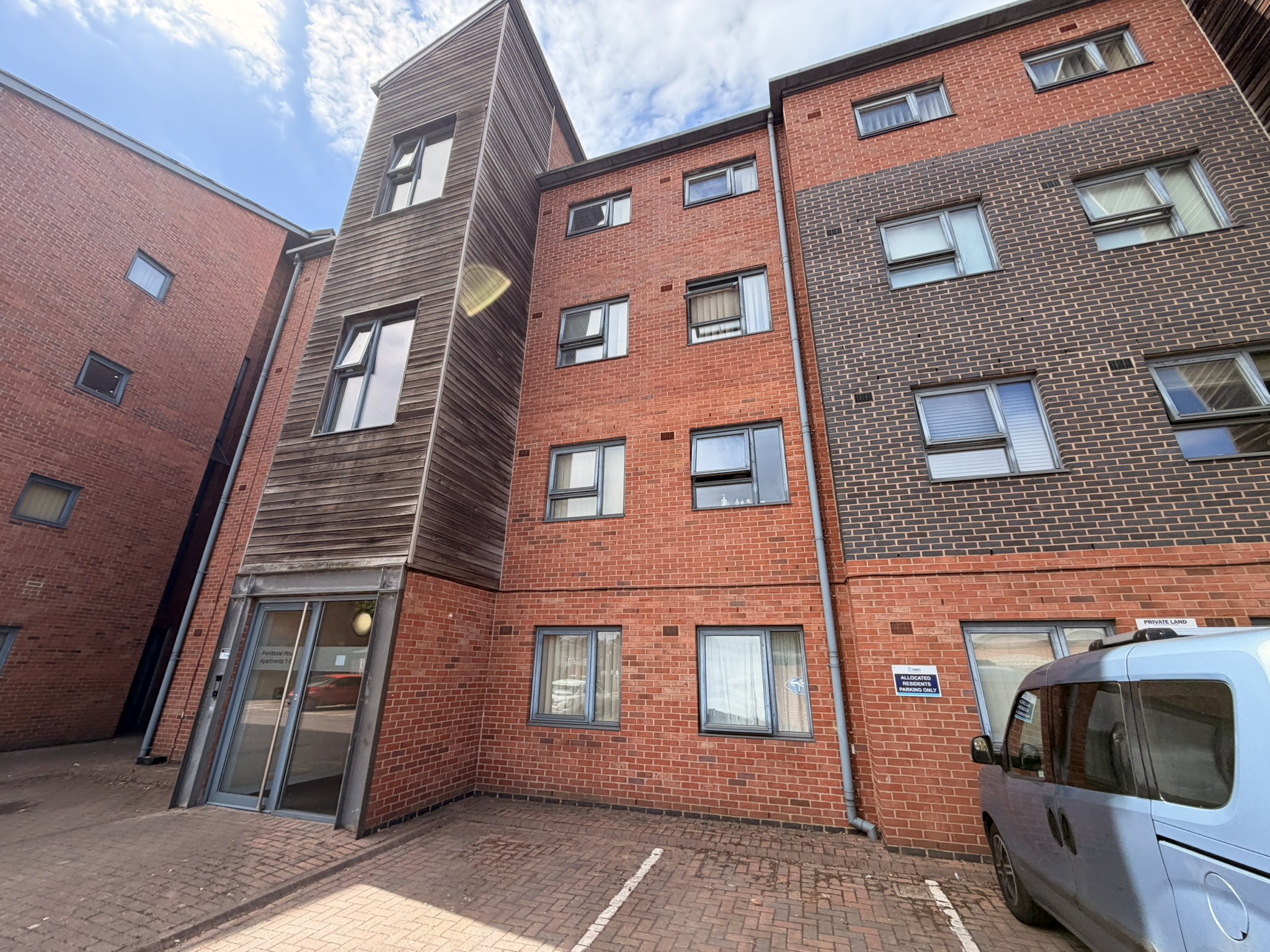
The property
The purchaser was considering an apartment within Penistone House, a modern purpose-built residential development in Sheffield.
The apartment formed part of a larger managed building with shared entrances, common areas, parking and external elements maintained collectively rather than exclusively by the individual leaseholder.
Why a Level 2 Survey was appropriate
The apartment was of conventional modern construction and appeared to be in reasonable condition. A Level 2 Survey provided a proportionate assessment of the accessible accommodation while also identifying matters relating to the wider building that could affect the purchaser.
Flats require a different approach from houses. The buyer may become financially responsible for repairs to roofs, elevations, drainage, common parts and other shared elements through the lease and service charge, even where those areas cannot be inspected fully from within the apartment.
Fourth Wall’s approach
Our MRICS Chartered Building Surveyor inspected the accessible internal accommodation, visible services, windows, doors and finishes. Accessible common areas and the externally visible building fabric were also considered within the limitations of the inspection.
The report addressed:
- the visible condition of the apartment;
- ventilation, condensation and moisture risks;
- accessible electrical, heating, water and drainage installations;
- windows, external doors and relevant junctions;
- the visible brickwork, timber cladding and rainwater goods;
- the distinction between defects affecting the apartment and matters affecting the wider block;
- material inspection and access limitations; and
- enquiries requiring confirmation through the purchaser’s solicitor.
The executive summary clearly separated actions for the purchaser from enquiries concerning the lease, repairing obligations, service charges, planned major works, building management and relevant fire-safety or external-wall information.
How our advice supported the purchase
The purchaser received a clear assessment of the accommodation they intended to buy without losing sight of the wider liabilities associated with owning a leasehold apartment.
Our report helped distinguish between issues within the purchaser’s control and matters likely to be managed by the freeholder or management company. This gave the purchaser and solicitor a focused basis for completing the necessary enquiries before exchange.
Modern purpose-built apartment | Sheffield | Leasehold considerations | Common building elements | Focused solicitor enquiries
RICS Level 2 Survey | Mid-century semi-detached house | Wolverhampton
Proportionate condition and maintenance advice for a conventional family home
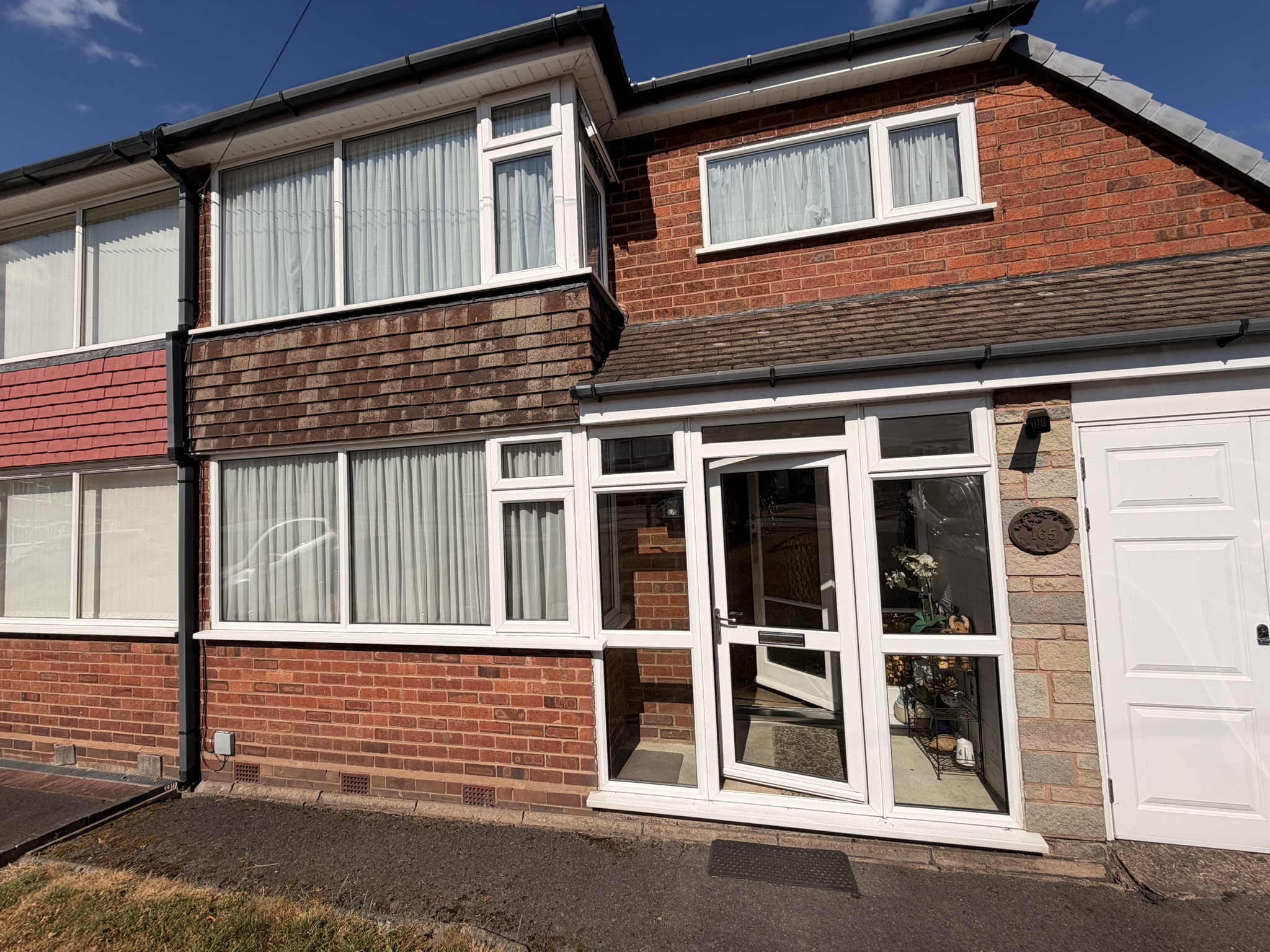
The property
The purchaser was considering a three-bedroom, mid-20th-century semi-detached house on Farrington Road in Wolverhampton.
The property was of a familiar suburban form, with brick elevations, pitched tiled roofs and later replacement windows, doors and entrance features.
Why a Level 2 Survey was appropriate
This case demonstrates the type of property for which a RICS Level 2 Survey is commonly well suited.
The house was of relatively conventional construction, appeared reasonably maintained and did not present the degree of visible complexity ordinarily requiring a Level 3 Survey. The purchaser wanted a proportionate professional assessment of its accessible condition, significant defects and likely maintenance requirements before exchange.
A familiar property type should not, however, be assumed to be free from risk. Mid-century houses may contain ageing roof coverings and services, deteriorating external components, restricted subfloor ventilation, poorly executed later alterations or maintenance that has been deferred beneath otherwise presentable finishes.
Fourth Wall’s approach
Our MRICS Chartered Building Surveyor assessed the accessible internal and external parts of the property, including the:
- pitched roof coverings and accessible roof space;
- brick elevations, pointing and external junctions;
- rainwater goods and drainage arrangements;
- windows, external doors and enclosed entrance;
- visible internal walls, ceilings, floors and finishes;
- accessible electrical, heating, water and drainage installations;
- ventilation and visible moisture risks;
- boundaries, paths and other relevant external areas; and
- alterations or replacement components requiring records or further enquiry.
The bespoke Level 2 report used condition ratings and property-specific commentary to distinguish significant findings from routine maintenance associated with a house of this age.
Its executive summary identified the principal actions, who should take them and which matters required attention before exchange. Relevant documentary questions were converted into focused enquiries for the purchaser’s solicitor rather than being left within general report commentary.
How our advice supported the purchase
The purchaser received a clear overview of the property’s visible condition and the maintenance responsibilities they were likely to inherit.
The report helped distinguish between:
- significant matters requiring early action;
- routine repairs that could be planned after purchase;
- services requiring records or specialist testing;
- alterations requiring documentary confirmation; and
- normal limitations associated with a visual, non-invasive inspection.
This gave the purchaser a proportionate basis for progressing an otherwise conventional house purchase without either understating potential risks or presenting ordinary maintenance as evidence that the property was fundamentally unsuitable.
Mid-20th-century house | Wolverhampton | Conventional construction | Practical maintenance advice | Focused pre-exchange actions
Ready to take the next steps?
Book Your Home Buyer Survey
We’ve revolutionised the traditional surveying model for people looking to purchase conventional domestic property, making it as simple and easy as possible. If you’re interested in a level 2 house survey, simply fill in the form below to either receive an initial quote or speak to one of our team or contact us by email or phone and we’ll get back to you as soon as possible.
Need additional advice?
Get more from your survey
We don’t work from a standard template at Fourth Wall. Our surveys are bespoke and developed with you in mind. We believe this sets us apart.
Architectural Feasibility Review
When conducting your survey, we can also provide you with a initial Architectural Feasibility Review if you have any alterations or extensions in mind.
This will include a review of feasibility of your project and initial Planning, Building Regulations and Party Wall considerations.
Building Reinstatement Cost Assessments
If you own a property, no matter what size or for what purpose, you need to ensure you’re insured to the right level should anything happen.
Our experts will provide a report outlining the insurance reinstatement value based on the latest cost data and our expert knowledge.
Drone Surveys of Roof Area, Chimneys and hard to reach places
If you invest or develop property, we conduct reports focused at seasoned investors with key considerations included when purchasing a buy to let property.
If you own or are purchasing a portfolio, we can inspect and report on the condition and the key considerations of the entire portfolio.
RICS Level 2 Survey FAQs
Browse some of the common questions that our team are asked when it comes to choosing the survey that’s right for you.
How Much is a RICS Level 2 Survey?
The price of a level 2 survey does not have a set price due to the nature of the industry and the fact that we would consider it unfair to charge the same for each property due to their individual uniqueness. If you’d like to find out more about how much a survey may cost for your property, contact our team for a no-obligation consultation. For an instant quote, use our house survey calculator.
What is the Difference Between a Level 2 and Level 3 Building Survey?
Both level 2 and level 3 surveys conduct an inspection of the overall current condition of the property looking for any concerning defects. However, a level 2 survey is tailored to properties which are typical houses, flats or bungalows built from conventional materials and of decent condition. Whereas level 3 is a building survey that caters to properties with more unique features, such as if they are older or larger, that require further inspection.
How Long Does a RICS Level 2 Survey Take?
Typically a level 2 or home buyer survey can take between 90 minutes to 4 hours, as this type of survey is dealing with more conventional domestic properties. Factors that can affect the time in which it takes to conduct include elements such as the size of the property, and the extent of damage to the property, if any. This is because our chartered surveyors want to ensure that their report is thorough and nothing is missed.
Does a Level 2 Survey Look At the Roof?
The surveyor will inspect the roof during a home buyer survey, but only space that is no more than three metres above floor level. They will visually inspect the roof structure looking for any parts that look vulnerable to damage or deterioration.
Selected RICS Level 3 Survey case studies
Many residential survey providers make broad claims about experience while giving buyers little evidence of the properties their surveyors have actually assessed. Fourth Wall takes a more transparent approach. The examples below are genuine instructions undertaken by our MRICS Chartered Building Surveyors, ranging from period terraces and basement conversions to extensively altered prime homes and complex rural estates. They demonstrate both the breadth of our residential surveying experience and our ability to adapt the inspection, technical analysis, repair-cost assessment and advice to the construction, risks and purchasing decisions presented by each property.
A Level 3 Survey should respond to the building in front of the surveyor, not force every property through the same generic inspection and reporting process. These case studies show how we bring together building pathology, practical repair knowledge, cost analysis and clear purchasing advice to help clients understand what they are buying and what may need to happen next.
RICS Level 3 Survey | Extensively altered prime home | Highgate, London
Bringing numerous alterations, repair priorities and likely expenditure into one clear assessment
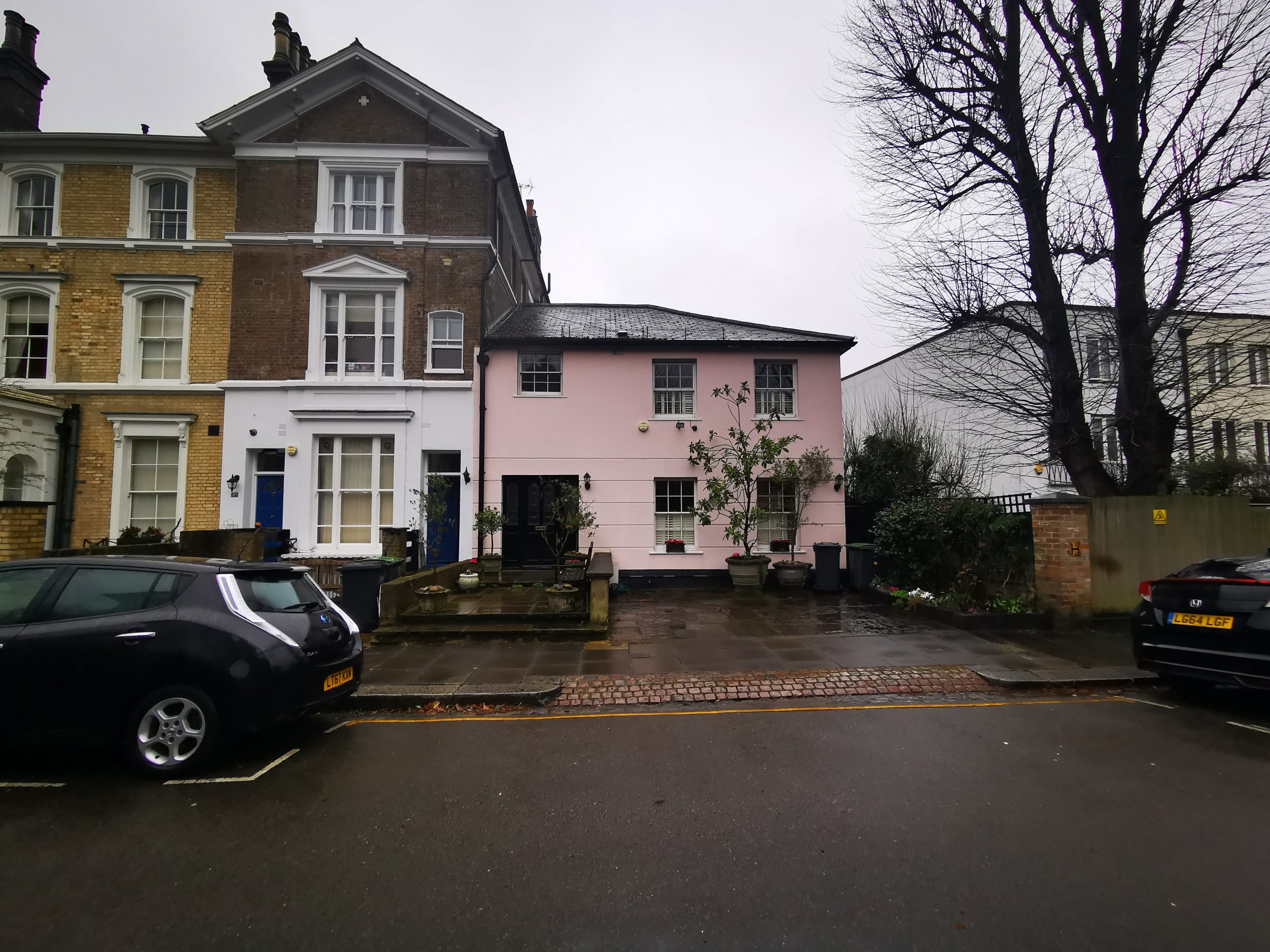
The property
The purchaser was considering a 2,142 sq. ft home in Highgate, valued at approximately £2.4 million. The property was situated within a conservation area and had been extensively altered and extended.
Why the instruction was complex
Successive alterations can introduce weaknesses at the junctions between different phases of construction. They can also make it harder to understand how the original building has been changed, whether new and existing elements are performing successfully together and what future repairs may involve.
At this property, the conservation-area setting also increased the importance of considering how planning constraints could affect future external work or alterations.
Fourth Wall’s approach
We undertook a property-specific Level 3 Survey that considered the original building and its subsequent alterations as one interconnected structure.
Our report brought the most important technical and purchasing risks to the front. Material matters were considered in terms of their likely cause, consequence, appropriate repair, priority and indicative cost. This helped the purchaser distinguish issues requiring attention before commitment from work that could reasonably be planned after acquisition.
The service included budget costing and a detailed client call covering the principal defects, suitable remedial options and the issues relevant to discussions with the vendor.
How our advice supported the purchase
The purchaser received more than a record of the property’s visible condition. They were given a structured understanding of:
- the technical implications of the alterations;
- the matters requiring further evidence or enquiry;
- the likely repair priorities;
- indicative expenditure to include within their purchasing assessment; and
- the points that could support proportionate discussions with the vendor.
2,142 sq. ft | Approx. £2.4m value | Conservation area | Extensive alterations | Budget costing and negotiation support
RICS Level 3 Survey | Complex rural estate | Derbyshire
Coordinated assessment of a converted tower, leisure buildings, barns and extensive equestrian facilities
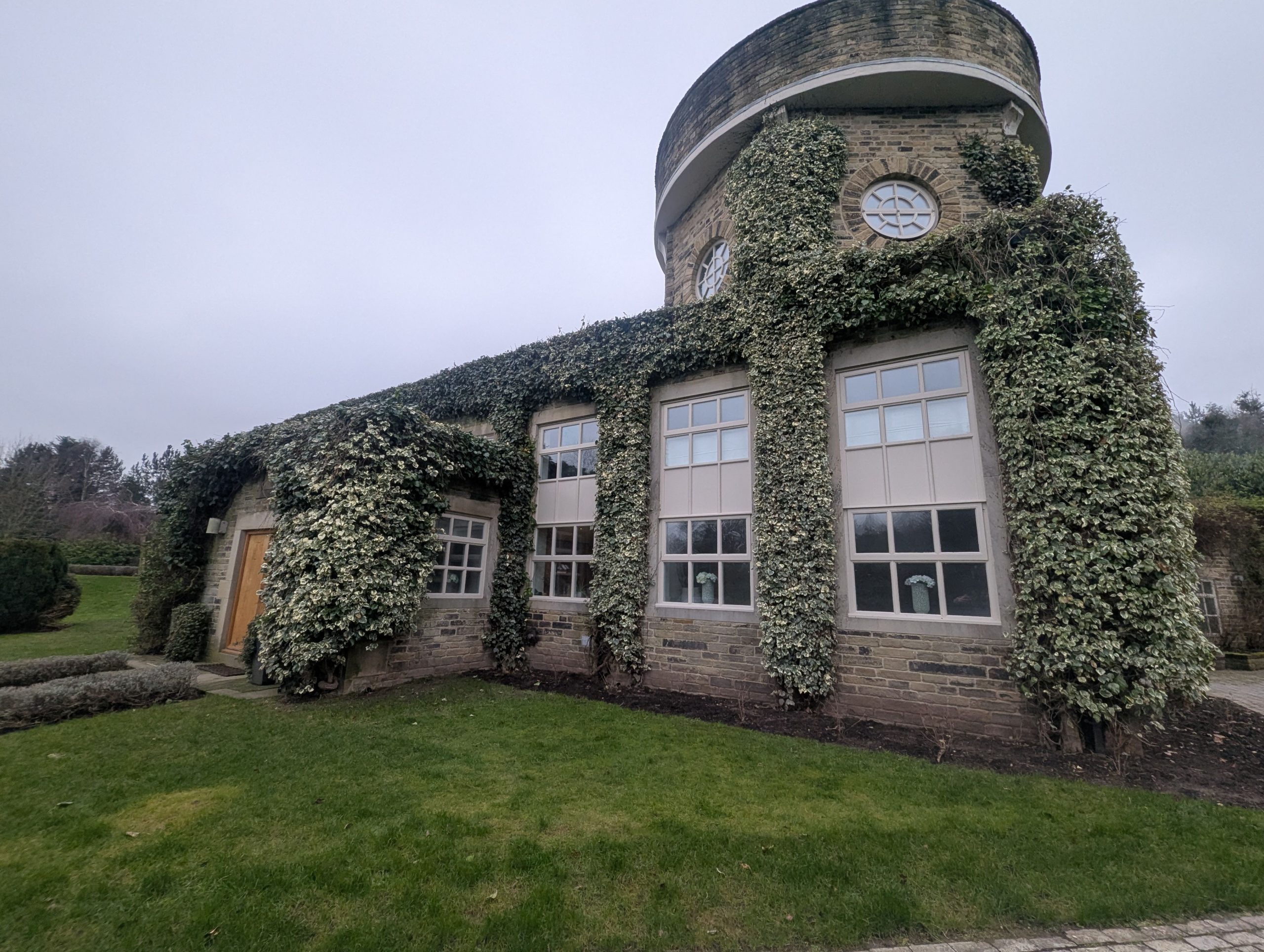
The property
The Towers is a substantial 19th-century former water tower converted into a detached home. The wider property included a pool hall and leisure accommodation, garages, barns, approximately 20,000 sq. ft of equestrian facilities and around 40 acres of land.
Why the instruction was complex
This could not be approached as a conventional single-house inspection. The estate contained buildings of different ages, uses and construction types, together with extensive roof areas, external structures and potential maintenance liabilities.
The purchaser needed to understand not only the principal residence but also the responsibility and likely expenditure associated with the wider estate. A series of disconnected observations would not have provided a useful basis for that decision.
Fourth Wall’s approach
We first established an appropriate inspection scope covering the agreed residential and ancillary buildings. Our survey then considered the converted historic structure, leisure accommodation, agricultural-style buildings, equestrian facilities and other relevant external components as parts of one property acquisition.
The Level 3 advice was structured to distinguish:
- significant matters requiring early attention;
- risks requiring additional information or specialist investigation;
- short- and medium-term repair priorities;
- longer-term maintenance liabilities; and
- the indicative expenditure associated with material defects.
Budget costing and negotiation support were incorporated into the service, allowing the technical findings to be considered in the context of the overall purchase.
How our advice supported the purchase
The purchaser received one coherent assessment of an unusually extensive and varied estate. This provided a more realistic understanding of the buildings they would be taking responsibility for, rather than concentrating exclusively on the condition of the main house.
The report also helped separate immediate property risks from work that could form part of a planned, longer-term maintenance programme.
19th-century converted structure | Approx. 20,000 sq. ft of equestrian facilities | 40 acres | Multiple buildings | Budget costing and negotiation support
Local Knowledge
National Coverage.
We have surveyors based across England in our regional offices. With expert knowledge of their local areas, you know you’re in safe hands.
Fourth Wall // South East
Areas We Cover
London
Mayfair
Pimlico
Kensington
Westminster
Lambeth
Islington
Enfield
Camden
Barnet
Belsize Park
Hampstead Heath
Finsbury Park