
Overview
A dilapidations cost estimate is one of the most important and most misunderstood elements of commercial lease planning. For occupiers of industrial, warehouse and logistics property, dilapidations can represent a six- or seven-figure liability if not properly anticipated.
Across the UK’s core logistics heartlands from the Golden Logistics Triangle (Rugby, DIRFT, Daventry, Crick, Magna Park) to the Midlands, North West, Yorkshire, South East and port-centric distribution hubs, we regularly see tenants caught out by under-budgeted lease-end repairs.
This guide explains:
- What a dilapidations liability actually is
- How to estimate dilapidation costs accurately
- How to budget for lease-end repairs in a controlled way
- Whether dilapidation costs are tax deductible
What Is a Dilapidations Liability?
A dilapidations liability is the tenant’s financial obligation to remedy breaches of lease covenants, most commonly repair, maintenance, decoration and reinstatement, at lease expiry.
In practical terms, it is the cost of returning the property to the condition required by the lease, either by:
- Carrying out the works directly, or
- Paying a financial settlement to the landlord
For industrial and logistics assets, this commonly includes:
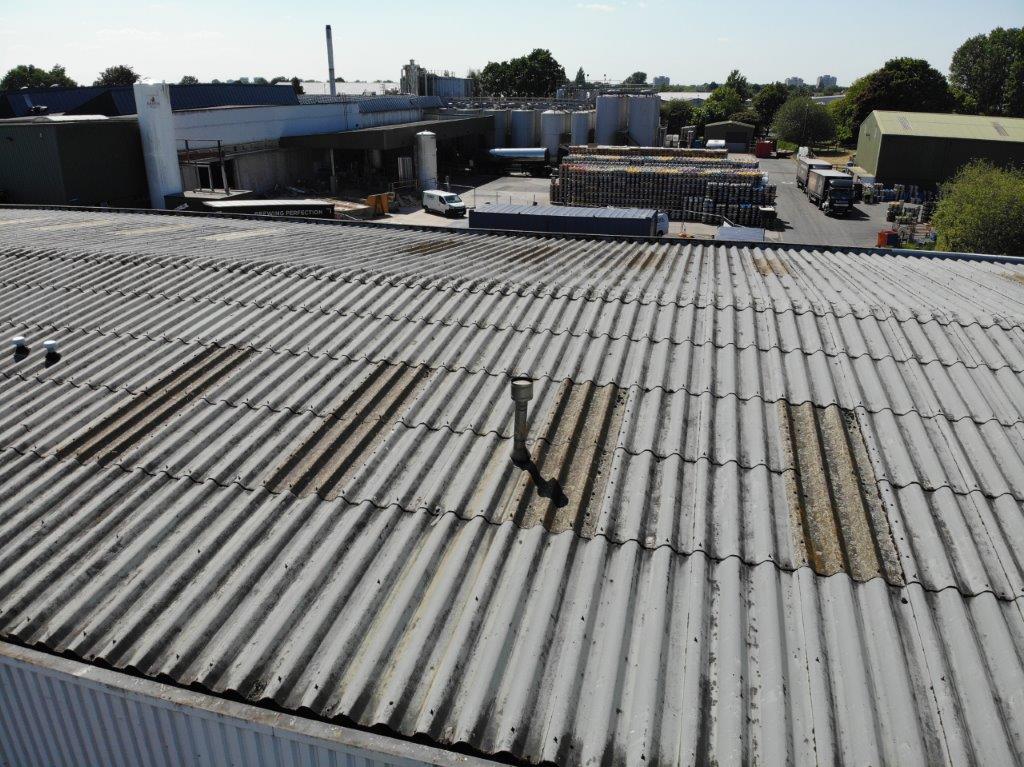
- Repairing roofs, cladding and external fabric
- Remedying water ingress and deterioration
- Servicing or replacing mechanical and electrical systems
- Redecorating in line with lease obligations
- Reinstating alterations (mezzanines, partitions, services, racking)
Unless expressly limited by the lease for example via a Schedule of Condition, commercial tenants are usually responsible for all disrepair, even where defects pre-date occupation.
How to Estimate Dilapidation Costs Accurately
Avoid Rule-of-Thumb Estimates
Tenants often attempt to budget using generic rates (e.g. “£X per square foot”). This approach is risky. Industrial dilapidations costs are highly asset-specific, influenced by:
- Building age and construction
- Extent of alterations
- Lease wording
- Level of maintenance during occupation
In practice, broad-brush estimates can be materially wrong, either overstating or, more commonly, significantly underestimating exposure.
Best Practice for Commercial Dilapidations Budgeting
1. Instruct a Chartered Building Surveyor Early
A professional dilapidations assessment should ideally be undertaken:
- Mid-term for long leases, or
- 18–24 months before lease expiry
A surveyor will inspect the property and prepare a dilapidations cost estimate based on:
- Current condition
- Anticipated deterioration
- Lease obligations
- Current market repair rates
This approach is particularly important for logistics assets across:
- Rugby / DIRFT / Daventry / Northamptonshire
- East Midlands Gateway, Castle Donington and the M1/M42 corridor
- Warrington, Trafford Park, Leeds, Sheffield and Doncaster iPort
2. Use Detailed, Market-Based Cost Data
A robust estimate should be built up from itemised works, not headline figures. This includes:
- Labour and materials at current rates
- Access requirements (MEWPs, scaffolding, shutdowns)
- Preliminaries and contractor overheads
Accurate cost modelling is essential for lease liability planning, particularly where dilapidations provisions are included in company accounts.
3. Include Reinstatement of Alterations
Alterations are a major cost driver in industrial dilapidations claims. Common examples include:
- Removal of mezzanine floors
- Strip-out of tenant-specific services
- Reinstatement of original layouts
These costs are frequently overlooked in early budgeting particularly in urban logistics and last-mile units across London, the South East and regional city fringes.
4. Don’t Forget Redecoration and Compliance Items
Many leases impose absolute obligations to redecorate in the final year. In addition, compliance-related issues (fire safety, emergency lighting, asbestos management) can materially increase claims if documentation or maintenance has lapsed.
5. Allow for Landlord’s Professional Fees
Leases often allow landlords to recover:
- Surveyor fees
- Legal fees
- Costs associated with preparing and negotiating dilapidations claims
These fees can add 10–15% to the total liability and should form part of any realistic budget.
Creating a Dilapidations Budget or Provision
Many occupiers choose to set aside a dilapidations provision during the lease term. This involves:
- Estimating likely lease-end costs
- Accruing a provision annually in the accounts
- Reviewing and updating the estimate periodically
This approach turns dilapidations from a last-minute shock into a planned, forecastable business cost particularly valuable for large warehouse portfolios across the Midlands, North West, Yorkshire and South East.
Get specific advice about your situationAre Dilapidation Costs Tax Deductible?
In most cases, yes dilapidation costs are tax deductible, provided they are revenue in nature.
In the UK, HMRC generally treats:
- Dilapidations settlements
- End-of-lease repair works
as allowable business expenses for corporation tax purposes, where they relate to repairs rather than improvements.
Key Tax Distinctions to Understand
Repairs vs Capital Expenditure
- Repairs (e.g. repainting, making good damage) → deductible
- Capital works (e.g. upgrading or extending the asset) → not immediately deductible
A dilapidations claim may include both, so correct allocation is critical.
Accounting Provisions
Under accounting standards such as FRS 102, tenants may accrue a dilapidations provision over the lease term. Where the provision is based on realistic, specific repair costs, it is often deductible when recognised smoothing both cash flow and tax exposure.
VAT Considerations
Pure dilapidations settlements are usually treated as damages and fall outside the scope of VAT. However, VAT will apply where the tenant carries out the works directly.
Always seek advice from an accountant or tax adviser to ensure costs are categorised correctly.
About Fourth Wall Building Consultancy
Fourth Wall Building Consultancy specialises in UK commercial property dilapidations, offering expert surveying and consultancy services tailored to landlords and tenants. We offer:
- Highly Experienced Chartered Surveyors with a proven track record in dilapidations claims.
- Transparent Pricing Models to help clients budget effectively.
- Early Engagement Approach, minimizing costly end-of-lease surprises.
- Comprehensive Reporting using the latest digital tools for clarity and precision.
- Dispute Resolution Support to avoid expensive litigation.
Related Services
- Dilapidations surveys and schedules
- Pre-Lease compliance and condition assessments
- Building condition reports and maintenance planning
- Dispute negotiation and expert witness support
Real Buildings. Real Insight.
How we deliver clarity, value and strategic advice across the UK.
Our case studies show how Fourth Wall works in practice from navigating complex dilapidations claims and delivering development monitoring for commercial clients, to guiding heritage refurbishments and producing detailed RICS building surveys. Explore how we help landlords, asset managers, occupiers and developers make confident, informed decisions about the buildings they own, manage or occupy.

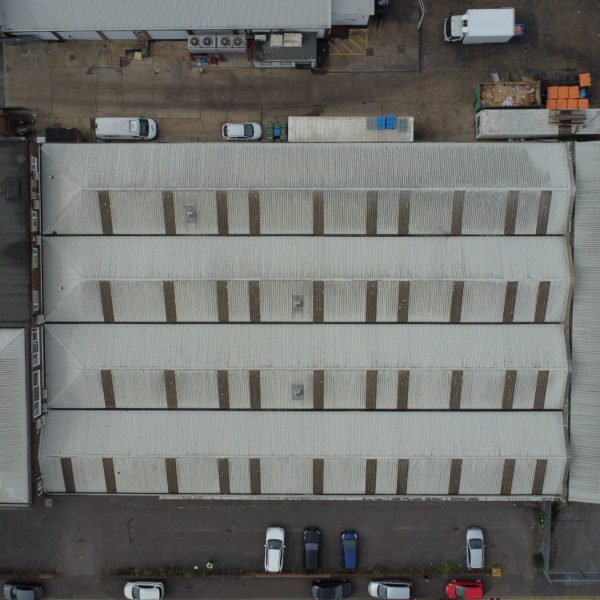
Typical Dilapidations Cost Ranges by Asset Type (Industrial & Logistics)
Dilapidations exposure varies significantly depending on the type, age, specification and use of the asset. While headline £/sq ft figures are often quoted online, they rarely reflect the true drivers of cost and can be misleading.
Instead, occupiers should understand relative cost ranges by asset type, particularly across the UK’s main logistics and industrial corridors.
Large “Big Box” Logistics Warehouses
(National distribution centres, rail-served and port-linked assets)
These assets typically present higher absolute dilapidations liabilities, driven by:
- Extensive roof areas and rooflight systems
- High-bay cladding and façades
- Complex mechanical, electrical and fire systems
- Large-scale alterations and specialist installations
Costs are often concentrated in a small number of high-value elements rather than widespread minor defects. Early planning is essential in locations such as the Golden Logistics Triangle, East Midlands Gateway, Avonmouth and port-centric hubs.
Mid-Box Distribution & Manufacturing Units
(Regional hubs, multi-user estates, established logistics parks)
Mid-box units often generate moderate to significant liabilities, particularly where:
- Maintenance has been deferred
- Alterations have not been documented or licensed
- Services are approaching end of life
Claims commonly include a mix of fabric repairs, services compliance and reinstatement works. These assets are prevalent across the Midlands, North West, Yorkshire and South Wales industrial corridors.
Multi-Let Industrial Units & Estates
(Urban logistics, trade counters, light industrial)
While individual units are smaller, dilapidations exposure can still be material. Cost drivers typically include:
- Internal repairs and redecoration
- Roller shutter and loading door replacements
- Strip-out of tenant-specific fit-out
In dense “last-mile” locations such as London, the South East and city fringes reinstatement obligations often dominate total cost.
Older or Secondary Industrial Stock
Older assets frequently present disproportionately high dilapidations risk, especially where:
- Roof coverings and services are original or obsolete
- Documentation is incomplete
- Maintenance has been reactive rather than planned
These buildings are common across legacy estates in the Midlands, North East, North West and South Yorkshire, where early assessment is critical to avoid inflated landlord claims.
Key Point for Occupiers
Dilapidations costs are rarely linear or uniform. Two buildings of similar size can have materially different liabilities depending on lease wording, condition and use. A tailored, asset-specific assessment will always outperform generic benchmarking.
Frequently Asked Questions
Accurate dilapidation cost estimates require a property inspection by a chartered building surveyor, a detailed review of the lease, and itemised cost modelling based on current market rates. Generic benchmarks or headline figures rarely reflect actual lease obligations or building condition.
A dilapidations liability is the tenant’s financial obligation to remedy breaches of lease covenants, usually relating to repair, maintenance, decoration and reinstatement, at or before lease expiry. This can be settled either by carrying out works or paying a financial settlement.
Tenants should ideally start dilapidations budgeting mid-lease or at least 18–24 months before lease expiry. Early planning allows costs to be forecast, spread over time, and managed strategically rather than addressed reactively at lease end.
In most cases, dilapidation costs are tax deductible where they relate to repairs rather than capital improvements. Payments or repair costs are usually allowable for corporation tax purposes, subject to correct classification and accounting treatment.
Yes. Dilapidations costs vary significantly depending on asset type, age, specification, alterations and maintenance history. Large logistics warehouses, older industrial stock and heavily altered units typically present higher liabilities than newer or lightly used buildings.
Yes. Many occupiers create a dilapidations provision in their accounts, accruing anticipated costs over the lease term. This approach improves financial planning and may provide tax efficiency when managed correctly.