Overview
Understanding tenant repair obligations is one of the most effective ways to control dilapidations exposure at the end of a commercial lease. Across the UK’s principal industrial and logistics markets from the Golden Logistics Triangle (Rugby, DIRFT, Daventry, Magna Park) to the Midlands, North West, Yorkshire, South East and port-centric logistics hubs tenants regularly incur avoidable costs simply by misunderstanding what they are (and are not) responsible for.
This guide explains:
- How to bring a protected (1954 Act) lease to an end properly
- What repair obligations typically sit with commercial tenants
- Why Section 11 of the Landlord and Tenant Act is often misunderstood
- How early strategy and negotiation can materially reduce lease-end costs

How to Properly End a Protected Lease (Avoiding Unintended Liability)
If your commercial lease is protected by the Landlord and Tenant Act 1954, it will not automatically end when the contractual term expires. If no action is taken, the tenancy continues on the same terms — meaning rent, service charge and repair obligations keep running.
How to Bring a Protected Lease to an End
Serve a Section 27 Notice
A tenant wishing to leave must serve a Section 27 notice giving at least three months’ notice to terminate the tenancy. Failure to do so can result in unintended “holding over” and additional lease liability after you have vacated.
Choose the Termination Date Carefully
If the lease has already rolled on, the tenant can select the termination date (subject to the three-month notice period). Aligning this with relocation or operational shutdown avoids unnecessary overlap costs.
Consider an Agreed Surrender
In some cases, landlords particularly in active logistics markets such as Birmingham, Manchester, Leeds, Coventry or the M1/M6 corridors may prefer an agreed surrender. While not guaranteed, this can sometimes be linked to a pragmatic dilapidations settlement.
Key point: Ending the tenancy formally is the first and most important step in cost control. Until the lease is legally terminated, repair obligations continue to accrue.
What Are the Repair Obligations in a Commercial Lease?
Most industrial and logistics leases are granted on a fully repairing and insuring (FRI) basis. This usually places responsibility for most or all repairs squarely on the tenant.
Understanding Your Actual Obligations
Review the Repairing Covenant Carefully
Key phrases such as “keep in good repair”, “put and keep in repair” or “yield up in repair” define the scope of liability. Many tenants assume obligations are limited to internal items, only to discover that structure, roof and external fabric are included.
Multi-Let vs Single Let Buildings
In multi-let estates common across urban logistics and last-mile locations the landlord may retain responsibility for structure, with costs recovered via service charge. However, this is not automatic and must be confirmed in the lease.
Schedules of Condition
Where a Schedule of Condition is attached, your liability may be capped to the property’s condition at lease commencement. This can significantly reduce dilapidations exposure by preventing a requirement to return the building in a better condition than it started.
Statutory Compliance
Tenants are often responsible for compliance with statutory requirements during occupation (fire safety, electrical testing, asbestos management). Failure to comply can reappear as a dilapidations issue at lease end.
What Is Section 11 of the Landlord and Tenant Act and Does It Apply?
Section 11 of the Landlord and Tenant Act 1985 is frequently misunderstood by commercial tenants.
Section 11:
- Applies to residential leases under seven years;
- Places repairing obligations on residential landlords;
- Does not apply to commercial leases.
There is no automatic statutory duty on commercial landlords to repair structure or services. Responsibility is dictated almost entirely by the lease terms.
The only limited exception may be mixed-use properties (for example, a shop with residential accommodation above), where Section 11 could apply to the residential element only.
Takeaway: Commercial tenants should not assume the landlord must fix defects unless the lease expressly says so.
Using Early Negotiation and Section 18 to Reduce Liability
Engage Early, Not Reactively
Opening dialogue with the landlord before lease expiry can significantly reduce overall cost. Early engagement allows:
- Discussion of financial settlement instead of works
- Agreement on scope of reinstatement
- Avoidance of landlord-led, high-cost remediation
Understanding Section 18 (Landlord and Tenant Act 1927)
Section 18(1) limits a landlord’s claim to the actual diminution in value caused by disrepair. In practice:
- If repairs cost £100,000 but only increase value by £60,000, the claim is capped at £60,000
- If the landlord intends to redevelop or strip out the building, many items may have no recoverable value.
Understanding the landlord’s future intentions particularly in redevelopment-led markets such as London, the South East and major city logistics zones is critical to challenging inflated claims.
Alternative Dispute Resolution
Early mediation or without-prejudice negotiations often resolve claims more efficiently than litigation. Most dilapidations disputes settle but the tenant’s leverage is strongest when they engage early.
Key Takeaway for Tenants
To minimise end-of-lease repair costs:
- Terminate protected leases properly
- Understand (and do not over-extend) your repair obligations
- Ignore myths around Section 11
- Use early negotiation and Section 18 strategically
In commercial leasing, proactivity is the single biggest cost-saving tool available to tenants.
When Should I Instruct a Dilapidations Surveyor?
Engaging a dilapidations surveyor early ideally mid-term or at least 18–24 months before lease expiry — allows you to:
- Understand likely landlord claims
- Budget and programme remedial works
- Decide whether to repair, negotiate or settle financially
- Avoid over-specification and unnecessary expenditure
At Fourth Wall Building Consultancy, we act for occupiers across the UK’s principal industrial and logistics regions, providing practical dilapidations advice grounded in building pathology, lease interpretation and commercial negotiation.
About Fourth Wall Building Consultancy
Fourth Wall Building Consultancy specialises in UK commercial property dilapidations, offering expert surveying and consultancy services tailored to landlords and tenants. We offer:
- Highly Experienced Chartered Surveyors with a proven track record in dilapidations claims.
- Transparent Pricing Models to help clients budget effectively.
- Early Engagement Approach, minimizing costly end-of-lease surprises.
- Comprehensive Reporting using the latest digital tools for clarity and precision.
- Dispute Resolution Support to avoid expensive litigation.
Related Services
- Dilapidations surveys and schedules
- Pre-Lease compliance and condition assessments
- Building condition reports and maintenance planning
- Dispute negotiation and expert witness support
Real Buildings. Real Insight.
How we deliver clarity, value and strategic advice across the UK.
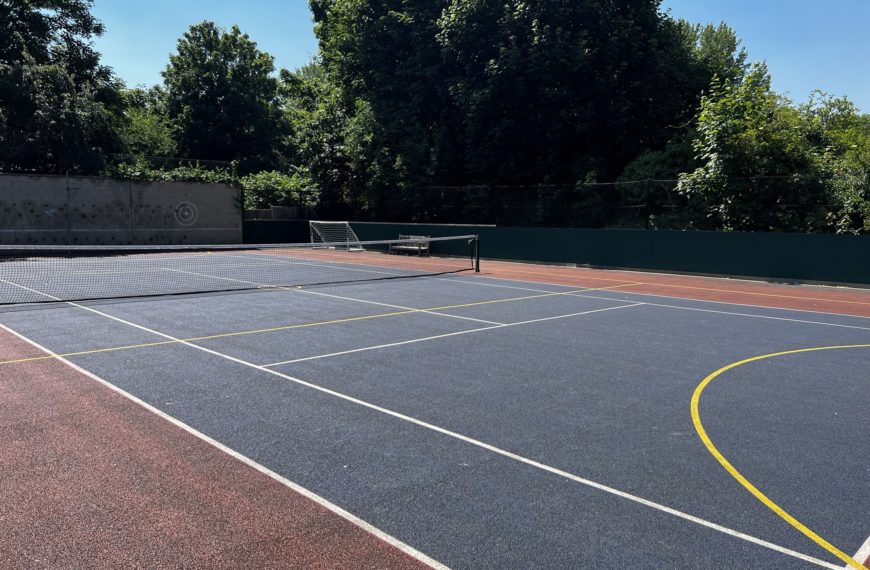
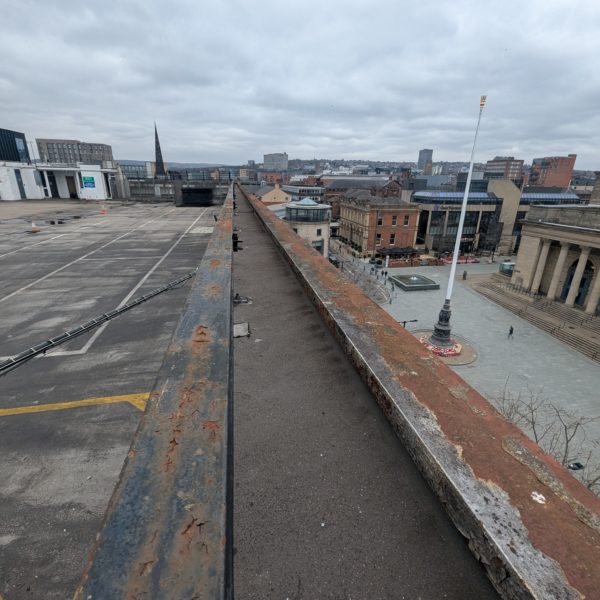
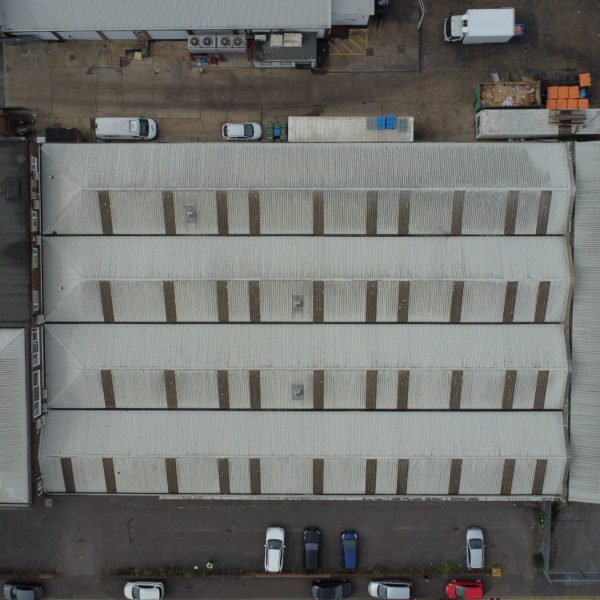
Our case studies show how Fourth Wall works in practice from navigating complex dilapidations claims and delivering development monitoring for commercial clients, to guiding heritage refurbishments and producing detailed RICS building surveys. Explore how we help landlords, asset managers, occupiers and developers make confident, informed decisions about the buildings they own, manage or occupy.

Frequently Asked Questions
If your lease is protected by the Landlord and Tenant Act 1954, it won’t automatically end when the contractual term expires. To bring it to an end, tenants typically need to serve a Section 27 notice giving at least three months’ notice, or agree a surrender with the landlord. You should take legal advice on notices and service requirements, because errors can leave you “holding over” with ongoing rent and obligations.
Repair obligations are set by the repairing covenant in the lease and can range from internal-only obligations to full responsibility for the building (often under an FRI lease). Key wording such as “keep in repair”, “put and keep in repair” and “yield up in repair” is crucial. A Schedule of Condition (if attached) may cap your obligation to the condition recorded at lease commencement.
Section 11 of the Landlord and Tenant Act 1985 is a residential repairing obligation that requires landlords to keep the structure and certain installations in repair for short residential leases. It does not apply to commercial leases. In commercial property, repair responsibilities are primarily contractual and defined by the lease terms (unless a mixed-use arrangement brings a residential element into play).
The most effective approach is early planning. Tenants can reduce exposure by:
Reviewing the lease and any Schedule of Condition early
Inspecting the property regularly and addressing defects promptly.
Planning reinstatement of alterations (where required)
Taking professional dilapidations advice 12–24 months before lease end.
Negotiating early and using Section 18 arguments where applicable.
Landlords typically respond by issuing a terminal schedule of dilapidations and seeking a financial settlement for breaches of covenant. Claims may include the cost of works, professional fees, and potentially loss of rent if disrepair delays reletting. Leaving without completing required works often increases total costs because the landlord controls scope and procurement.