Heritage Consultancy
Heritage Condition Survey | Coles Building, Sheffield
Our client was progressing early-stage regeneration thinking for a landmark heritage building in Sheffield city centre and needed a clear, evidence-led understanding of the condition and risks associated with the existing fabric. With future use options under consideration, accurate high-level inspection and heritage-informed advice were critical to shaping next steps with confidence.
Outcome
Robust, evidence-led understanding of the condition and risks associated with a landmark heritage asset
Services Provided
- Detailed heritage-led condition survey of the building fabric
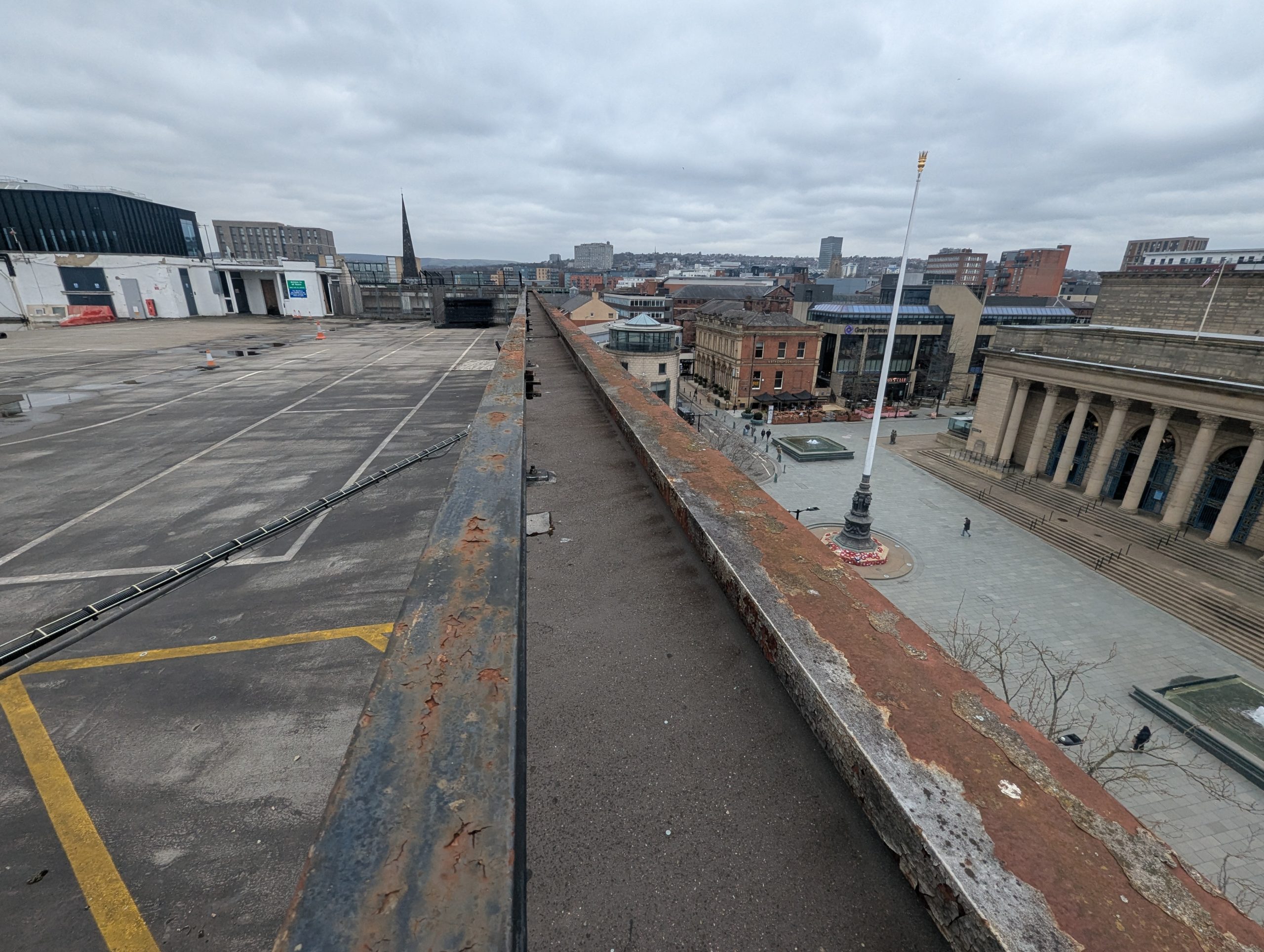
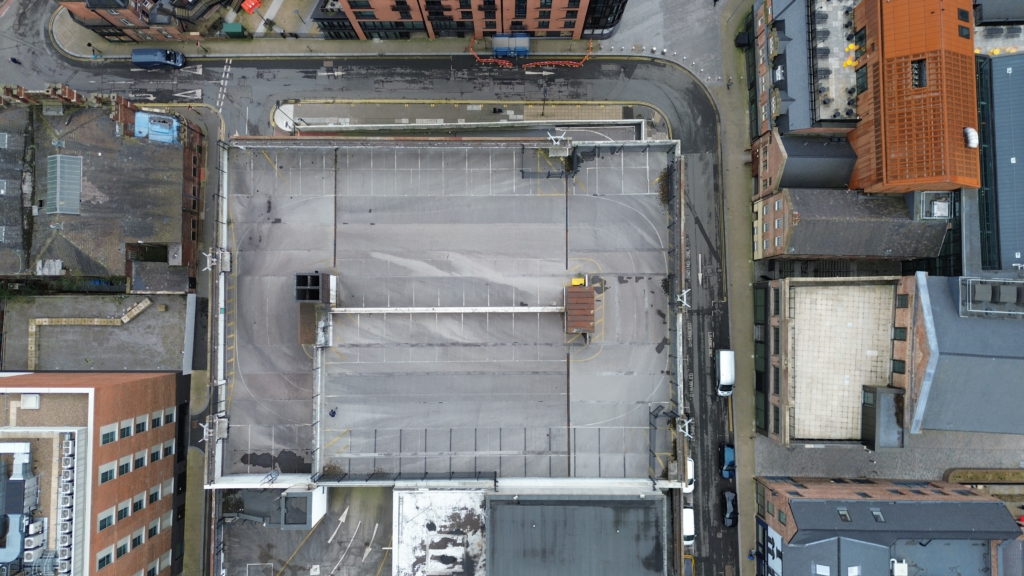
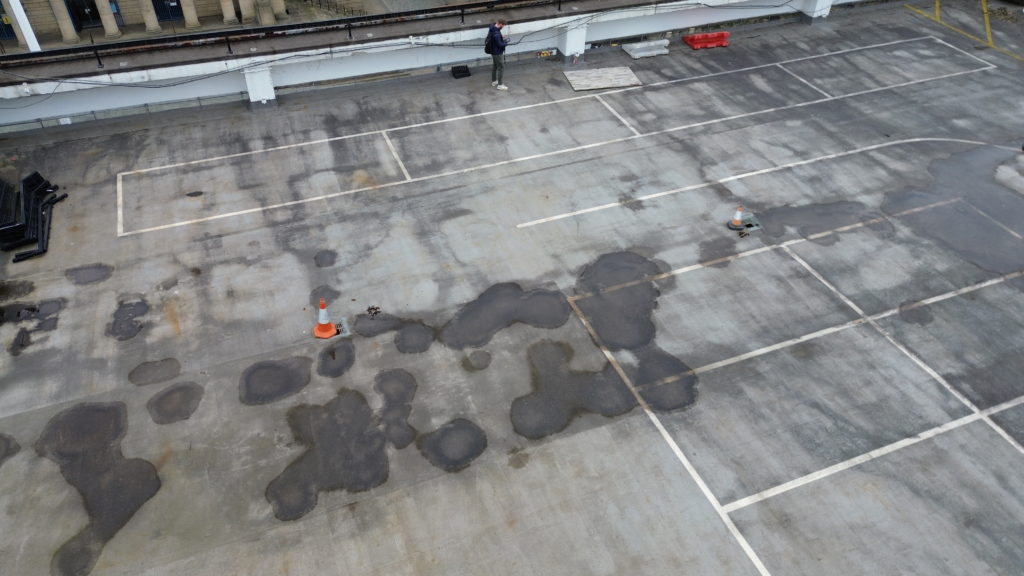
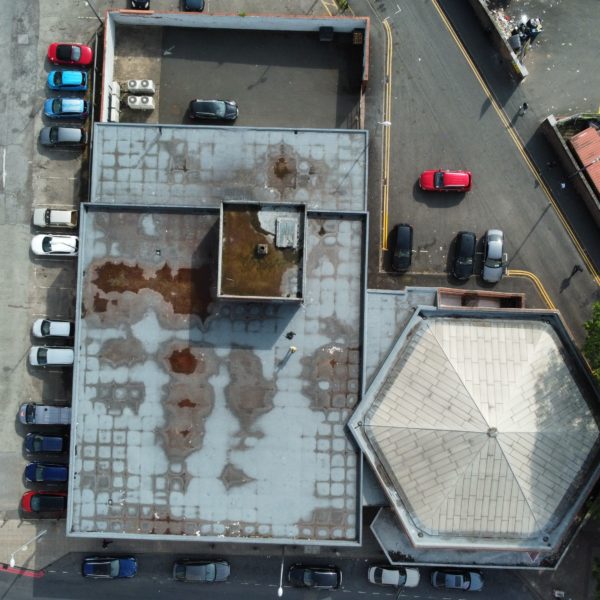
- Drone survey of roofs, parapets, high-level façades, and concealed elements
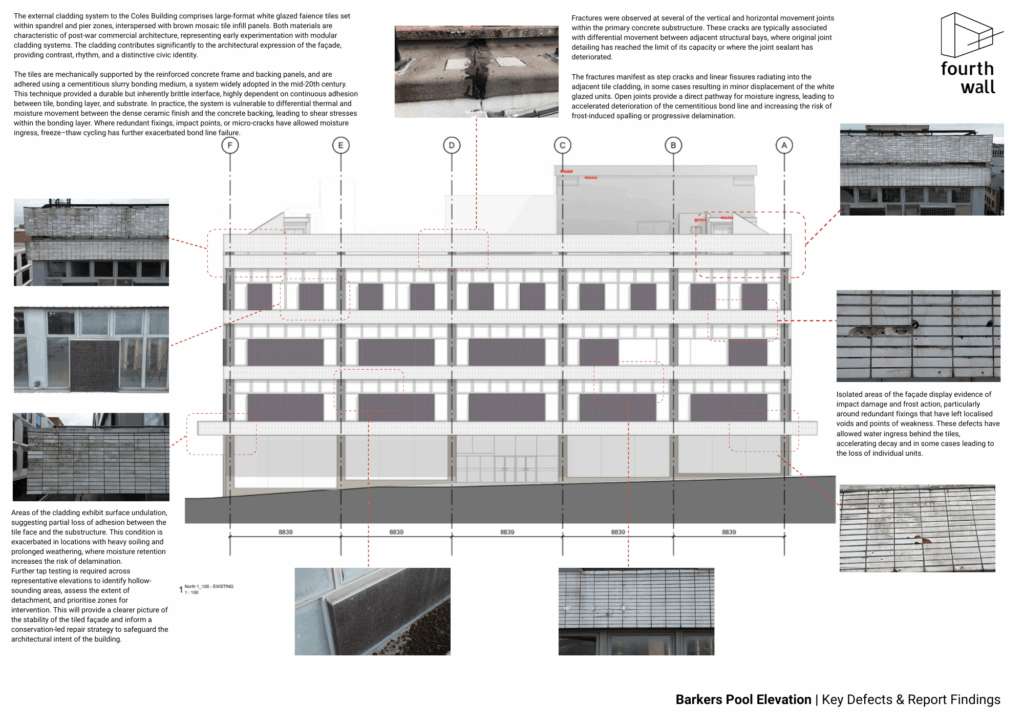
- Identification of defects, deterioration mechanisms, and priority risks
- Strategic advice to support future regeneration and feasibility planning
About the Project
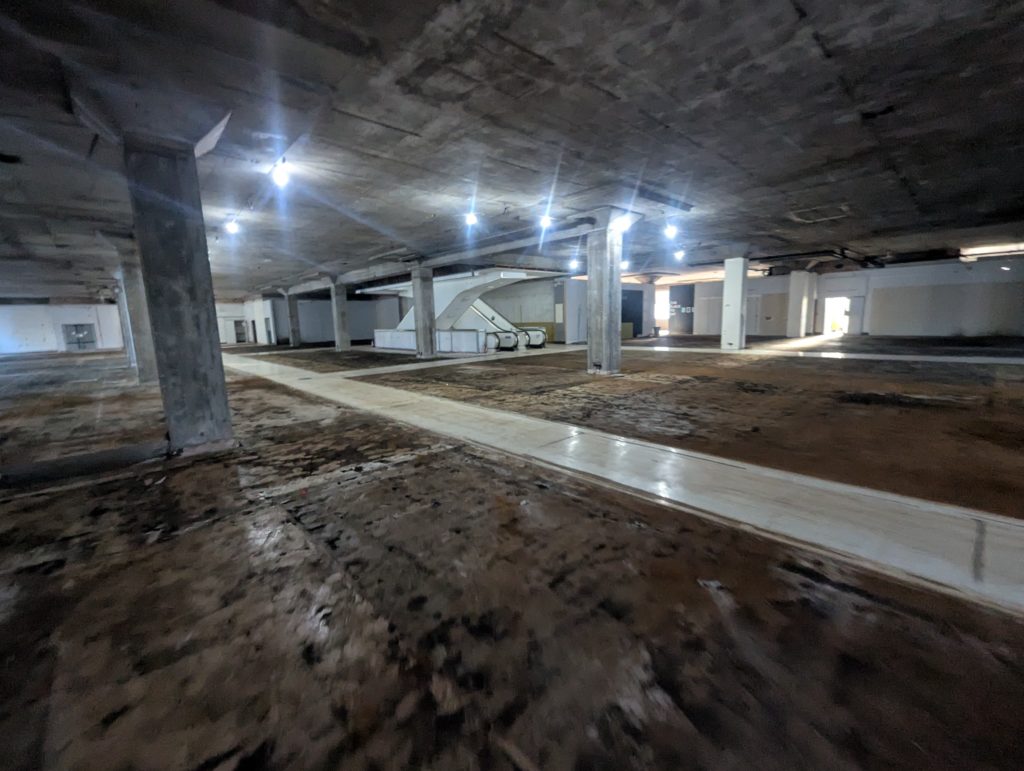
The Coles Building (formerly Cole Brothers / John Lewis) is a prominent historic department store occupying a landmark position at Barker’s Pool, Sheffield. The building forms a key part of the city’s civic and commercial heritage and has been identified as a major opportunity site within the city centre.
We were instructed by Urban Splash to undertake a comprehensive condition survey of the building fabric, providing a clear, independent assessment of its current condition and associated risks ahead of future regeneration proposals.
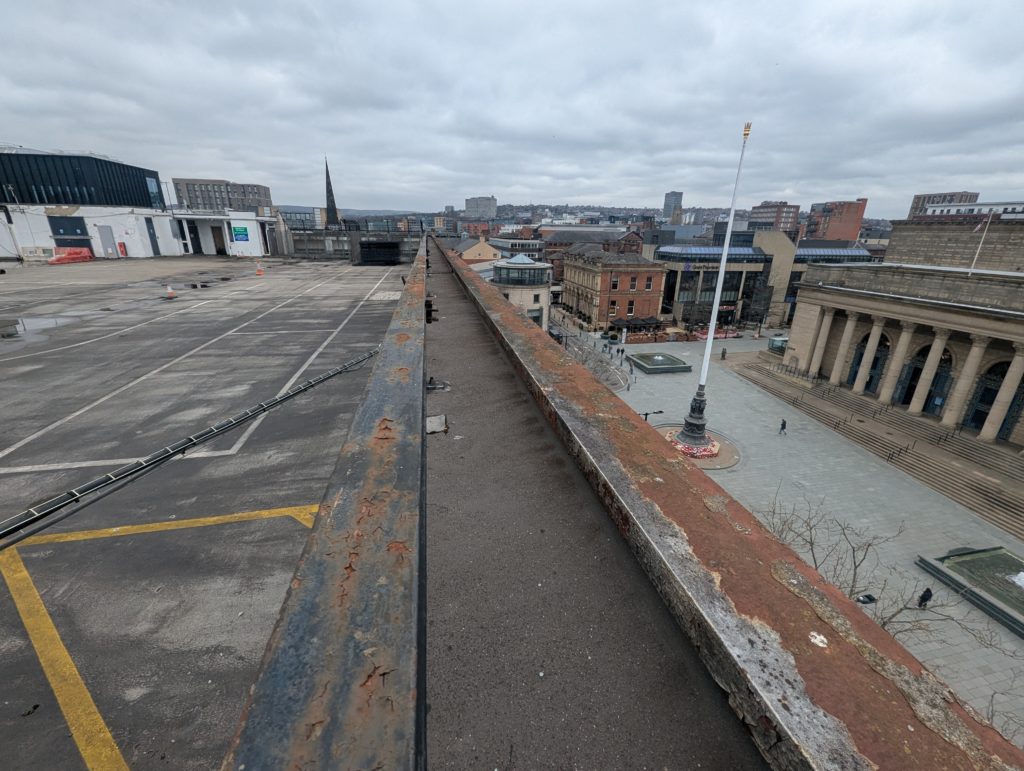
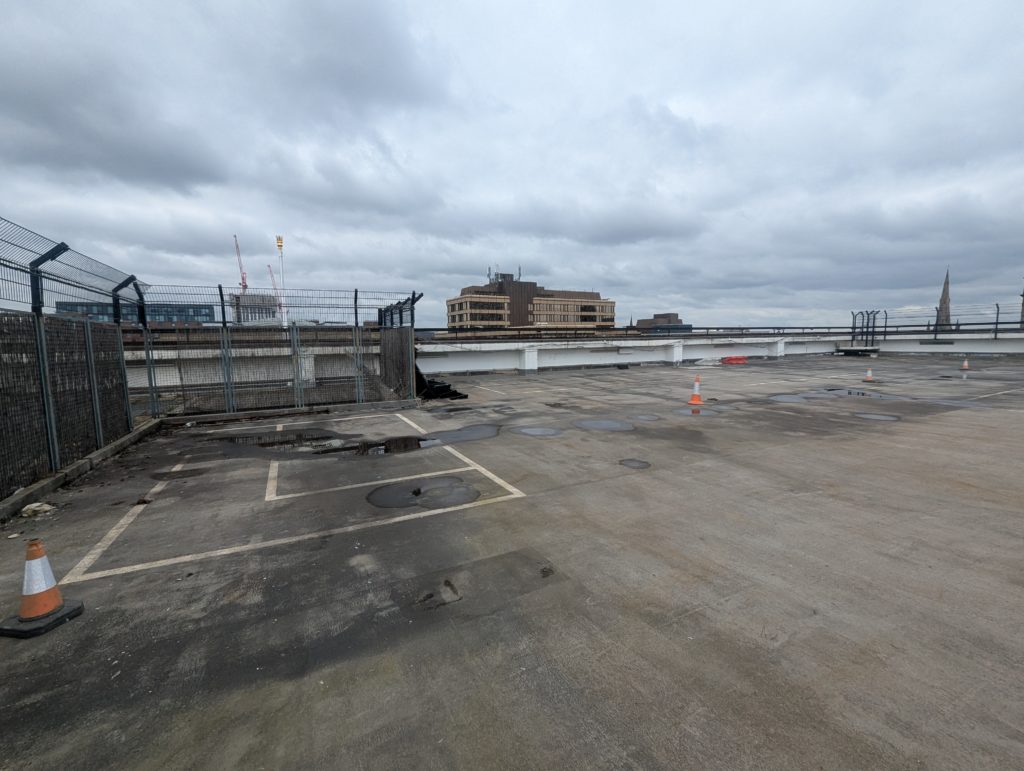
Given the scale, age, and heritage sensitivity of the asset, particular emphasis was placed on understanding high-level elements and areas not readily accessible, including roof coverings, rainwater goods, parapets, and upper façades.on.
Our Approach
Our approach combined heritage awareness, technical rigour, and modern inspection methods:
- Heritage-informed inspection
We assessed the building fabric with a clear understanding of its historic significance, ensuring defects were considered in the context of conservation principles, material compatibility, and long-term stewardship. - Drone-enabled surveying
A targeted drone survey allowed safe, detailed inspection of roofs and high-level elements that would otherwise require extensive access measures. This provided high-quality visual data to support accurate diagnosis and reduce assumptions. - Risk-based reporting
Defects were prioritised based on severity, progression risk, and impact on future use, allowing Urban Splash to focus investment where it matters most. - Director-led, strategic advice
The instruction was delivered on a senior-led basis, ensuring that findings were not just descriptive but translated into clear, actionable advice aligned with regeneration objectives.
Fourth Wall’s differentiator lies in bridging the gap between heritage understanding and commercial regeneration needs, providing clarity rather than constraint.
The Result
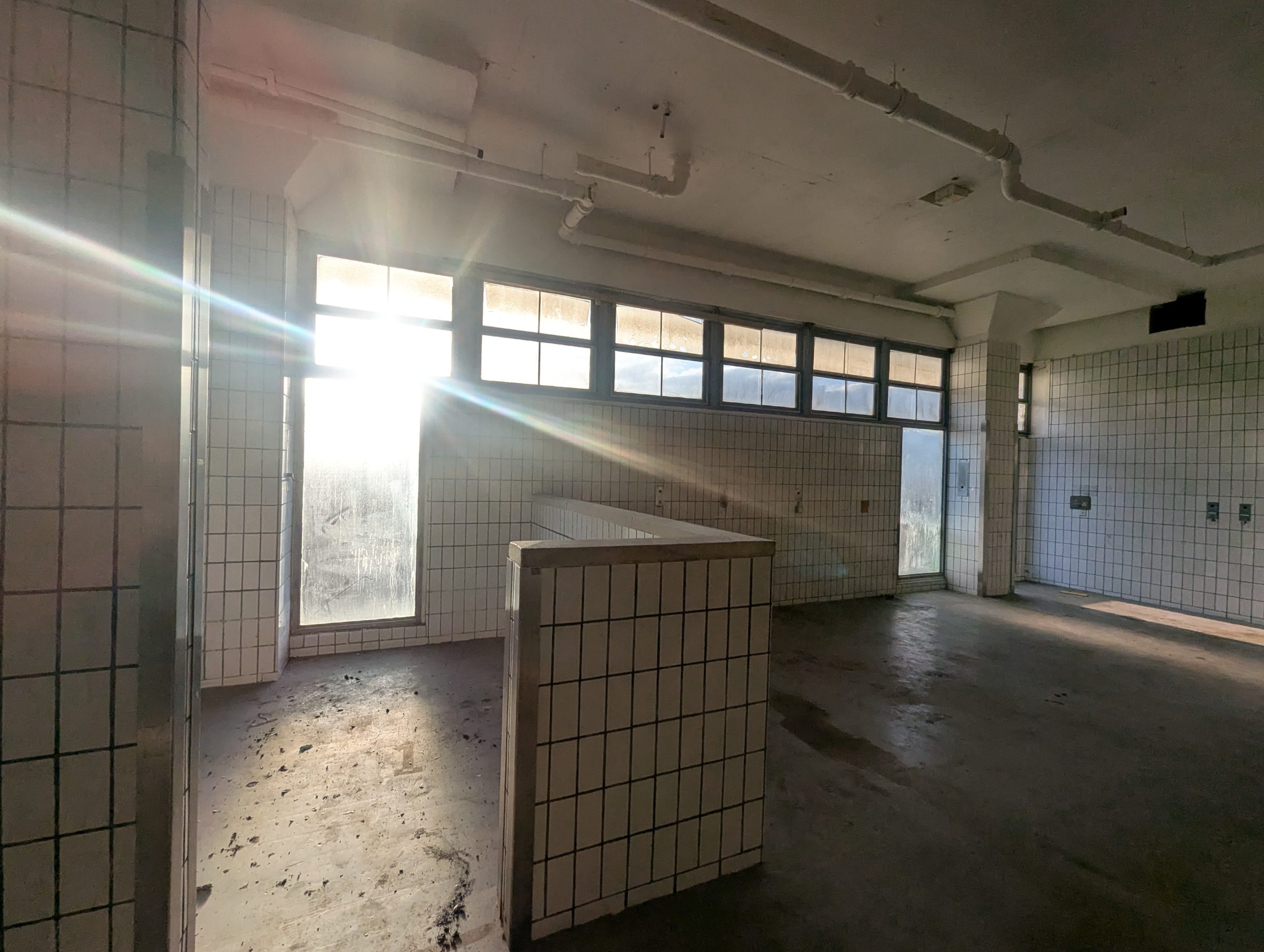
A clear, evidence-based understanding of the building’s condition
Reduced uncertainty around high-level and concealed fabric risks.
A strong technical foundation to support future design development, funding discussions, and stakeholder engagement.
Confidence for the client to progress the asset with a well-informed, proportionate approach to conservation and repair.
At Fourth Wall Building Consultancy, we’ve reinvented building surveying, combining traditional RICS expertise with dynamic, client-focused service. We use cutting-edge proptech to deliver jargon-free, beautifully designed reports that speak directly to your needs.
Contact us
Frequently Asked Questions
A heritage condition survey is a detailed assessment of a historic building’s fabric that considers both physical condition and heritage significance. It identifies defects, causes of deterioration, and risks, while ensuring recommendations align with conservation best practice rather than standard commercial repair assumptions.
The Coles Building includes extensive roof areas, parapets, and high-level façades that are difficult and costly to access using traditional methods. A drone survey allowed us to safely capture high-resolution visual data, reducing assumptions and enabling a far more accurate diagnosis of condition without intrusive access.
Unlike a conventional condition survey, a heritage-led survey:
Considers historic materials and construction methods,
Assesses defects in the context of significance and conservation principles, and
Avoids inappropriate or overly aggressive repair recommendations.
This ensures future works are proportionate, justifiable, and consent-ready.
A detailed condition and drone survey provides:
– Clarity on risk and liability at an early stage;
– A sound technical base for feasibility and cost planning;
– Evidence to support funding bids, stakeholder discussions, and design development;
– Reduced uncertainty around high-risk or inaccessible elements.
This enables better-informed decisions before significant capital is committed.
Yes, particularly for large or complex heritage assets. Early condition intelligence helps shape realistic design strategies, avoids abortive design work, and ensures conservation constraints are understood from the outset rather than discovered later.
These surveys are commonly commissioned by:
– Developers and regeneration specialists;
– Asset managers and institutional owners;
– Local authorities and public bodies;
– Design teams at feasibility or pre-application stage; and
– Project Managers.
On this project, we were instructed by Urban Splash as part of early regeneration planning.
Fourth Wall combines:
– Heritage and conservation expertise,
– Strong technical building pathology,
– Drone-enabled inspection capability, and
– Director-led, strategic advice.
Our focus is on providing clarity, proportionate solutions, and commercially realistic advice that supports regeneration rather than constraining it.