Commercial
Fowler Road – Tenant Dilapidations negotiation
Our client faced a significant dilapidations claim at the end of a long-standing industrial lease, with limited time before lease expiry and an initial landlord demand that posed a serious commercial risk. They needed clear, strategic advice on whether to carry out works or exit the property and, crucially, how to negotiate a fair and defensible settlement.
Outcome
79% Reduction achieved in less than 3 months
Services Provided
- Tenant-side dilapidations advice and negotiation
- Lease review at quotation stage, including historic lease analysis
- Pre-vacation strategic advice (works vs exit strategy)
- Section 18(1) diminution defence advice
- Scott Schedule analysis and negotiation
- Commercial settlement strategy aligned with reletting reality
About the Project
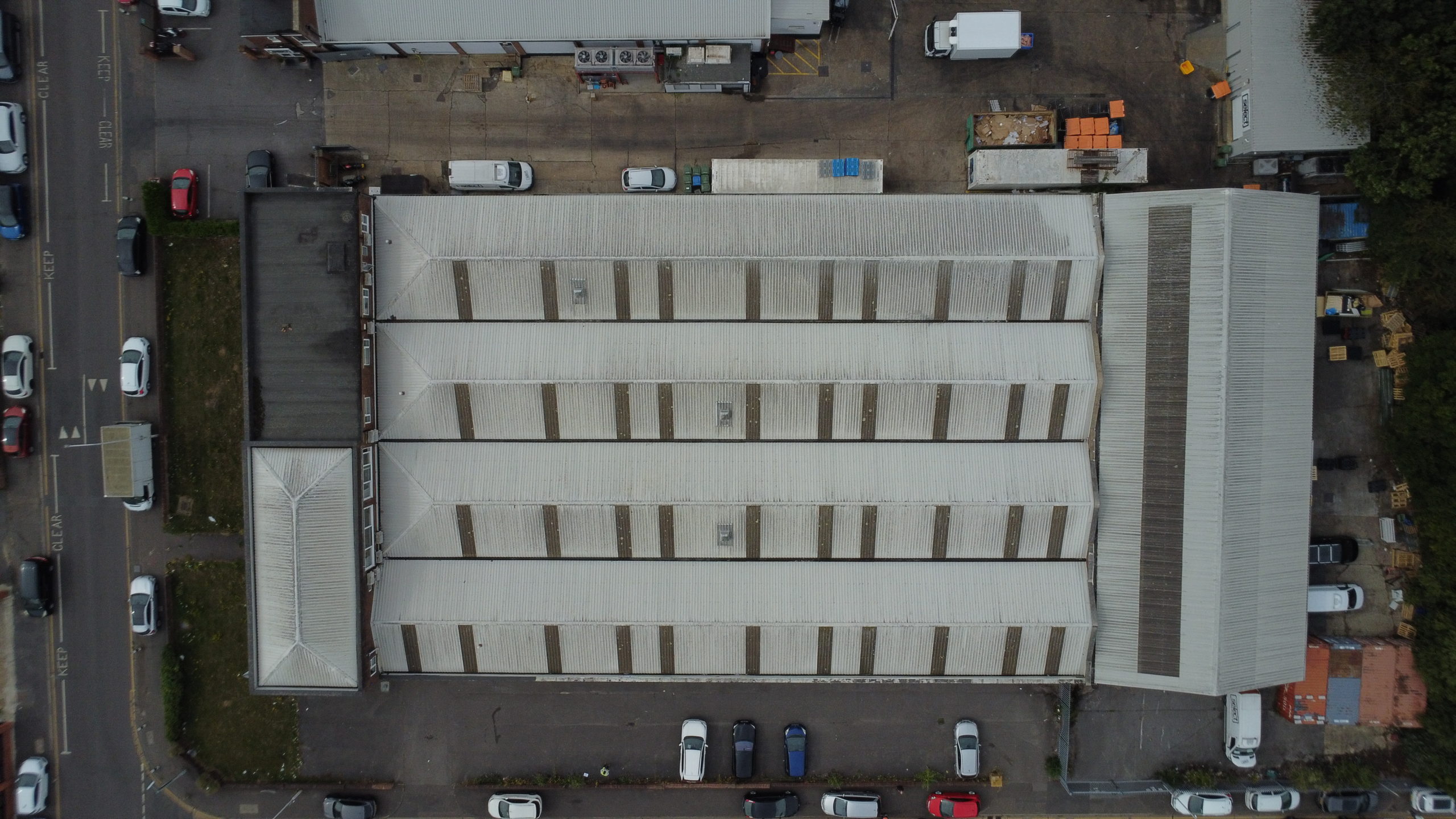
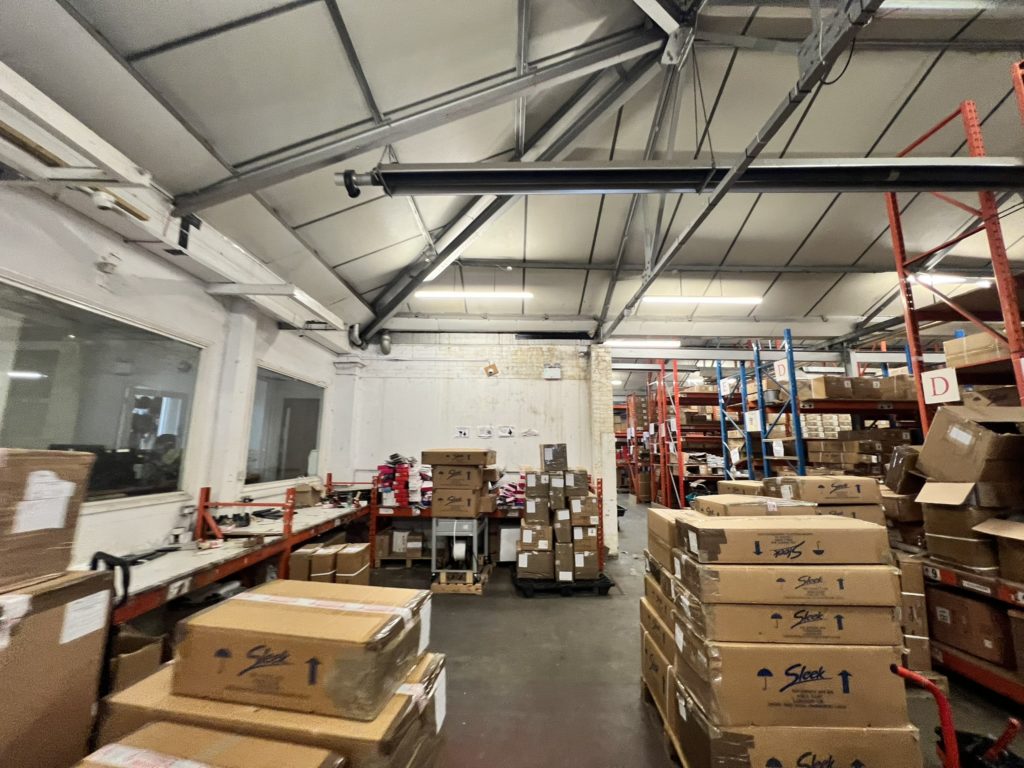
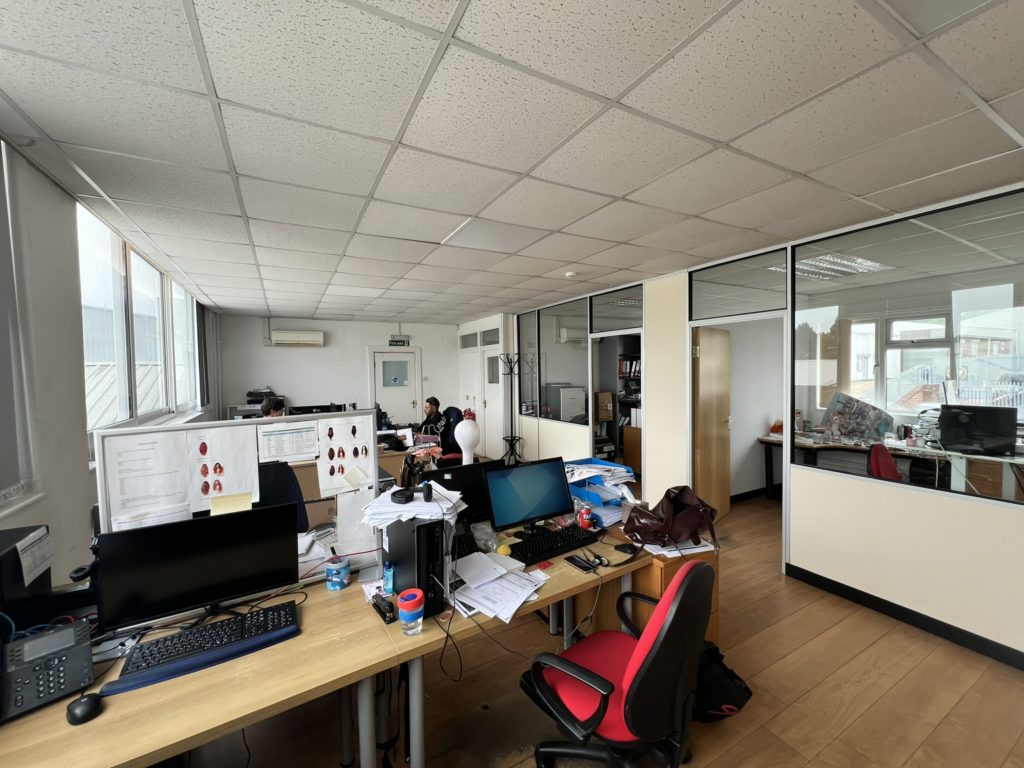
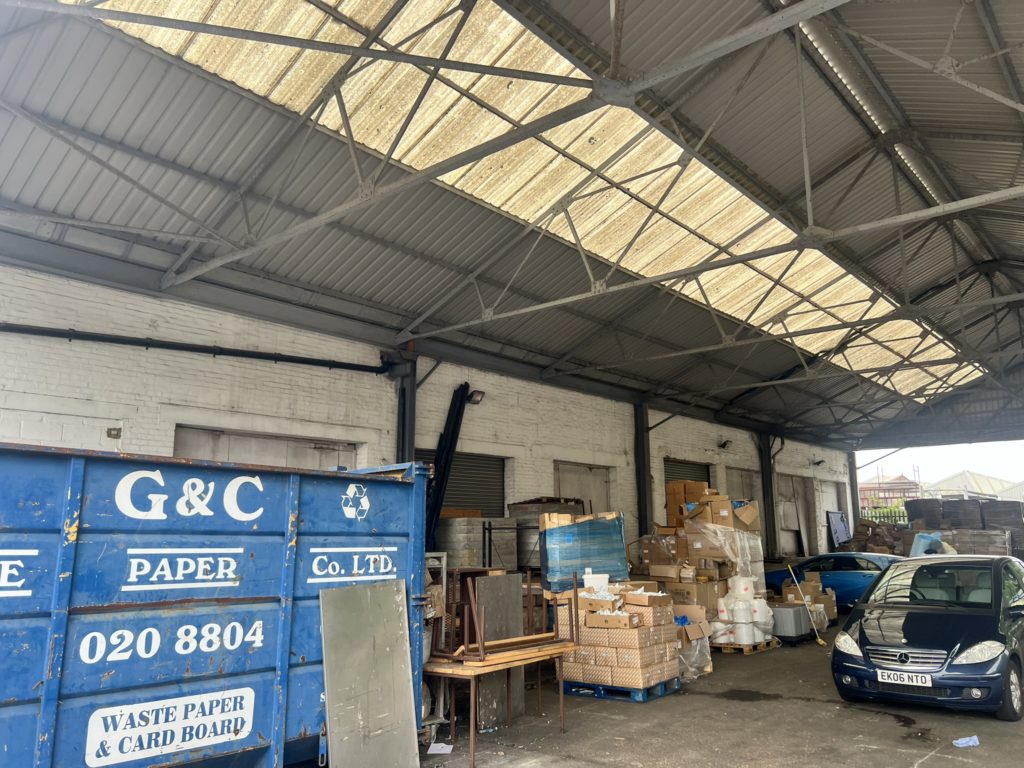
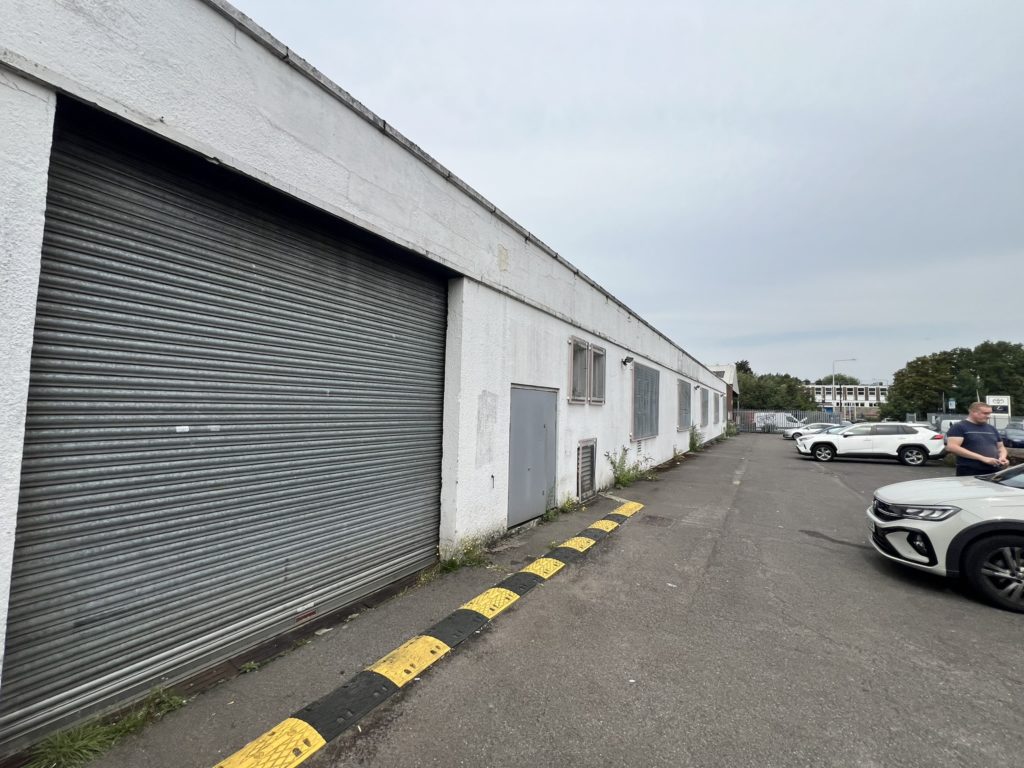
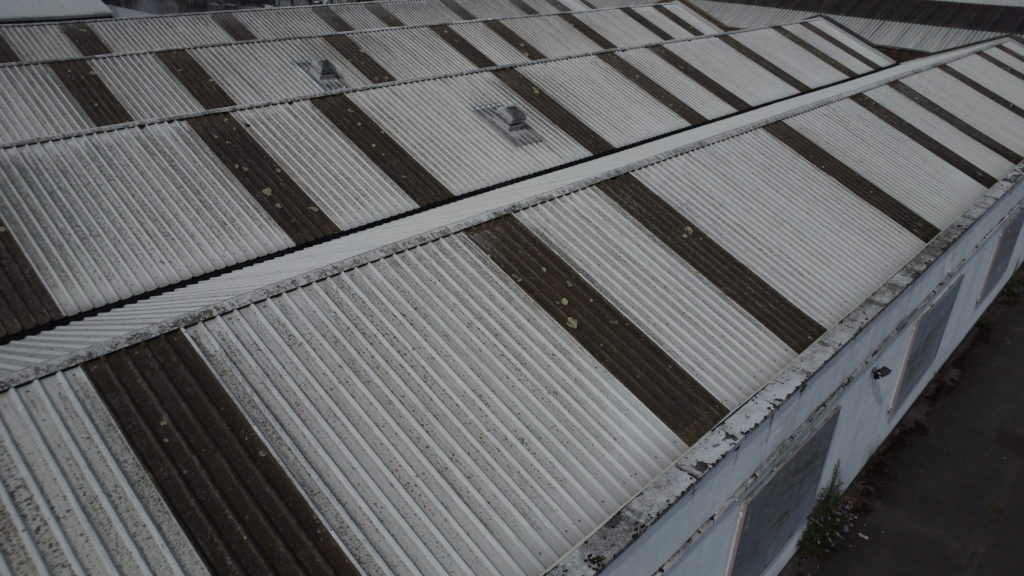
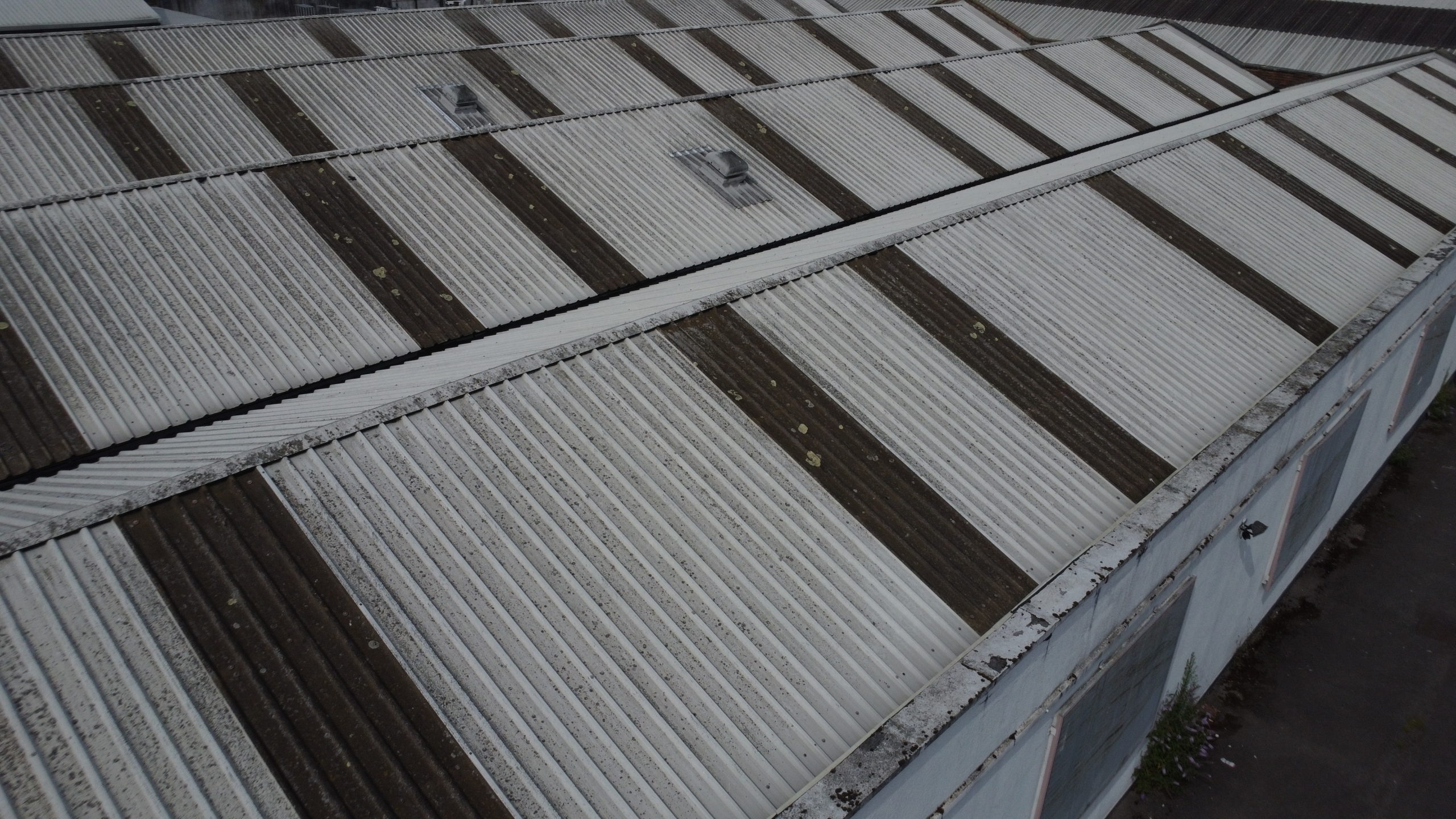
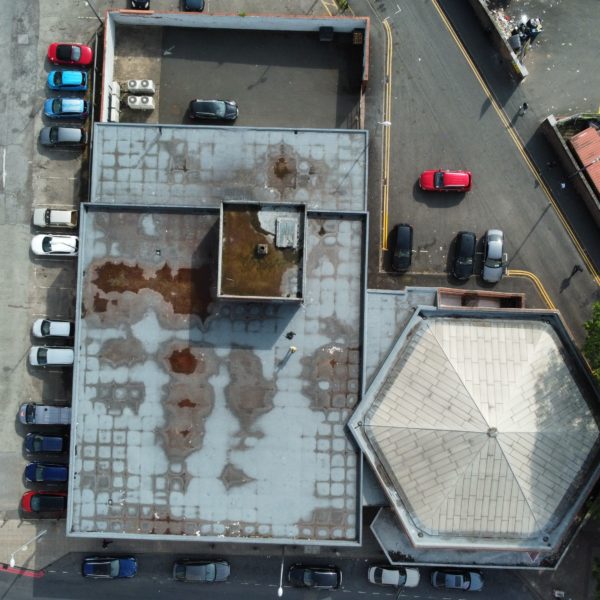
The instruction related to a warehouse with split ancillary accommodation at Fowler Road, Essex, comprising approximately 24,650 sq ft in total (warehouse: 20,167 sq ft; two-storey ancillary: 4,483 sq ft).
The lease was full repairing and insuring (FRI), with historic leases dating back around 20 years. Crucially, the documentation did not limit dilapidations liability to a single lease term, materially increasing potential exposure.
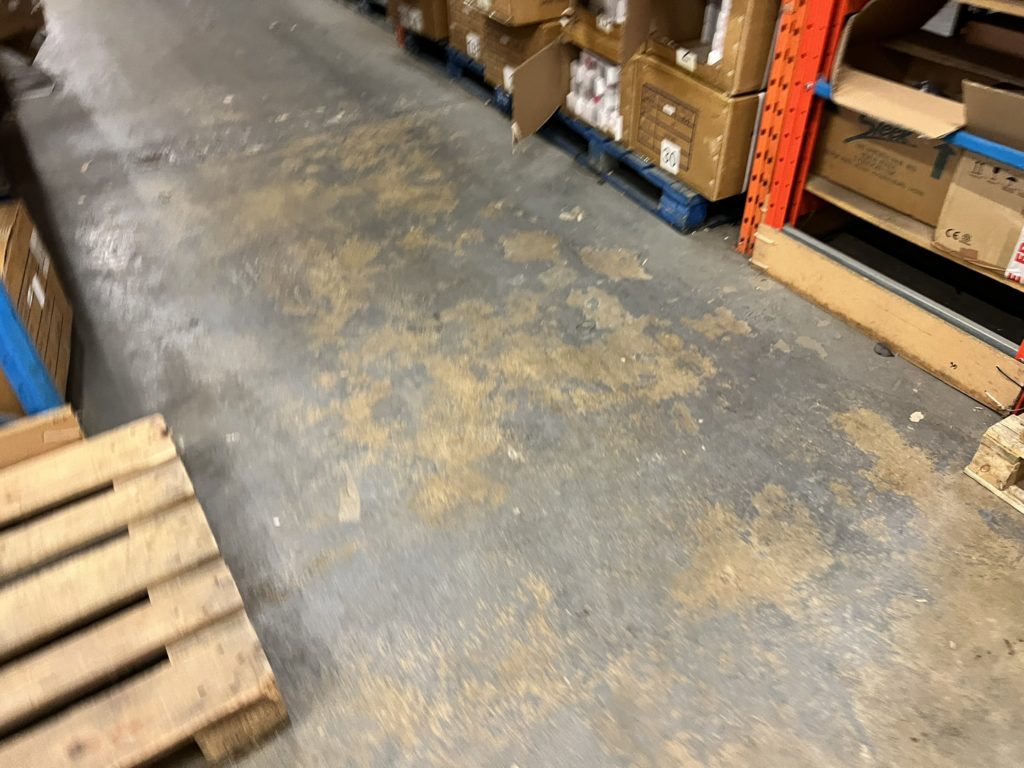
At inspection (August 2025), key issues included:
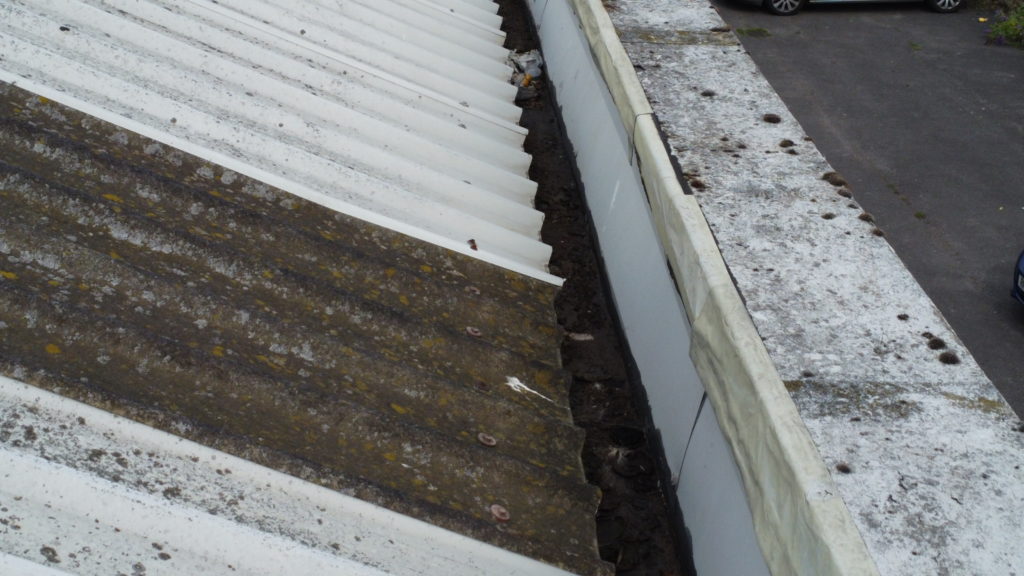
- Rainwater goods and rooflights in generally poor, leaking condition
- No significant remedial works or redecoration undertaken prior to vacation
- Typical internal alterations within the ancillary areas
The lease expired in mid-September 2025, following a short period of holding over. Due to time constraints, the tenant vacated and negotiations proceeded post-vacation.
Our Approach
Our strategy focused on early realism, strong technical grounding, and commercial leverage:
Front-end lease intelligence:
At quotation stage, we reviewed the full lease history, identifying the absence of dilapidations limitations and shaping expectations from day one.
Clear strategic advice:
We advised the tenant on the relative merits of undertaking works versus vacating and negotiating, including a clear explanation of Section 18(1) defences and the landlord’s likely reletting strategy.
Evidence-led negotiation:
Following vacation, we led Scott Schedule negotiations, initially responding to a tenant position around £80,000, largely comprising non-contentious gutter repairs and redecorations.
Commercial positioning:
We advised the tenant that the landlord was likely to carry out a limited package of works to facilitate reletting, potentially undermining parts of their claim. This informed a pragmatic settlement range of £100,000–£120,000.
Director-led service:
The instruction was handled on a senior, director-led basis, ensuring continuity, decisive advice, and commercially focused negotiations throughout.
The Result
Final settlement: £100,000
Against landlord’s claim: ~£497,000
Reduction achieved: c.79%
Settlement timeframe: 3 months
The outcome delivered a substantial reduction in liability, certainty for the tenant, and avoided protracted dispute or litigation, demonstrating the value of early lease insight, strategic dilapidations advice, and firm commercial negotiation.
At Fourth Wall Building Consultancy, we’ve reinvented building surveying, combining traditional RICS expertise with dynamic, client-focused service. We use cutting-edge proptech to deliver jargon-free, beautifully designed reports that speak directly to your needs.

Contact us
Frequently Asked Questions
A tenant dilapidations claim is a landlord’s claim for breaches of lease covenants, typically repair, reinstatement, and redecoration, arising at lease expiry or during holding over. In industrial and warehouse leases, this often relates to roof coverings, rainwater goods, services, and internal alterations to ancillary accommodation.
The landlord’s initial claim of circa £497,000 was driven by: A long lease history spanning ~20 years; No effective cap or limitation on dilapidations liability; Poor condition to rainwater goods and rooflights, and Lack of reinstatement or redecoration prior to vacation.
This demonstrates how historic leases and cumulative obligations can significantly inflate tenant exposure.
Section 18(1) of the Landlord and Tenant Act 1927 limits a landlord’s claim to the actual diminution in value of the reversion caused by disrepair. If the landlord intends to carry out redevelopment, refurbishment, or limited works only, this can materially reduce the legitimate dilapidations claim making it a critical defence in negotiations.
It depends on timing, lease terms, condition, and the landlord’s reletting strategy. In many logistics and warehouse assets, landlords may undertake their own works to facilitate reletting, which can weaken parts of a dilapidations claim. Strategic advice at pre-vacation stage is essential to determine the most cost-effective route.
A Scott Schedule is a formal schedule setting out alleged breaches, remedial works, and costs, allowing both landlord and tenant to agree, dispute, or negotiate each item. It forms the technical backbone of dilapidations negotiations.
Early lease analysis identifies:
Repairing obligations
Reinstatement liabilities
Historic lease linkages
Limitations (or absence of limits) on dilapidations
This allows tenants to understand true risk exposure before vacation or negotiation begins.
With a structured strategy and active negotiation, settlements can often be achieved within 2–4 months. In this case, settlement was reached in 3 months, avoiding protracted disputes and litigation risk.
Ideally:
1. At lease expiry planning stage
2. Pre-vacation
3. At heads of terms / regear stage
4. Immediately on receipt of a Schedule of Dilapidations
Early instruction provides more strategic leverage and cost control.
A Full Repairing and Insuring (FRI) lease places the full repairing obligation on the tenant, regardless of the building’s condition at lease start. Where leases are linked historically (as in this case, spanning ~20 years), liability can extend across multiple lease terms, significantly increasing dilapidations exposure.