Commercial Real Estate Consultancy
Dilapidations Advice for Commercial Tenants.
Understand what you actually owe before you repair, reinstate or pay.
Approaching the end of a commercial lease can expose your business to substantial repair, redecoration and reinstatement costs.
If you have already received a Schedule of Dilapidations, otherwise known as a Dilapidations Claim, the figure at the bottom of the claim should not be treated as an invoice. The lease, condition of the building, technical remedy, cost of the works, available evidence and the landlord’s plans all need to be considered before the true position can be understood.
Fourth Wall acts for commercial tenants approaching lease expiry, exercising break options and responding to landlord claims. We combine technical building knowledge with dilapidations strategy to establish what genuinely needs to be repaired, what can properly be challenged, whether undertaking works is commercially sensible and what an appropriate settlement position may look like.
RICS Chartered Building Surveyors | Tenant claim negotiation | Industrial, office, retail & specialist property | UK-wide advice
Received a Schedule of Dilapidations? Start here.
A Schedule of Dilapidations sets out the landlord’s position. It does not automatically establish what you have to pay.
Before accepting the claim, instructing contractors or entering into a settlement, it should be tested against the lease and the actual building.
We consider the landlord’s Schedule alongside the lease, any Schedule of Condition, Licences for Alterations, photographs, maintenance records, repair history and the present condition of the premises.
We then assess whether each alleged breach is valid, whether the remedy being claimed is technically appropriate, what the works should reasonably cost and whether the landlord’s intended refurbishment, redevelopment or reletting strategy affects the position.
For terminal claims in England and Wales, the Ministry of Justice Dilapidations Protocol provides the relevant pre-action framework. The Protocol distinguishes between the cost of remedying alleged breaches and the landlord’s likely loss.
Already received a claim?
Send us:
- The Schedule of Dilapidations
- Any Quantified Demand
- Your lease
- Schedule of Condition
- Licences for Alterations
- Available plans
- Relevant landlord correspondence
- Your lease expiry or break date
You may also find our guide to responding to a Schedule of Dilapidations useful.
What are tenant dilapidations?
Tenant dilapidations are breaches of property-related obligations under a commercial lease, usually concerning the condition in which the premises should be maintained or returned.
They can arise during the lease, at a break date or when the tenancy expires.
Repair
The lease may require the tenant to keep or put parts of the property into repair.
Depending on the wording, this can extend beyond simply repairing damage caused during the tenancy.
Redecoration
Commercial leases commonly contain specific internal and external decoration obligations, sometimes including prescribed intervals or requirements immediately before expiry.
Reinstatement
Alterations made during the tenancy may need to be removed and the original arrangement reinstated.
Tenant fixtures and installations
Depending on the lease and alteration documents, this may include removal of items such as racking, partitions, signage, cabling, plant, mezzanines, kitchens, extraction systems or specialist equipment.
Yielding up
The lease may prescribe the condition and arrangement in which the premises must be returned at the end of the tenancy.
The exact liability therefore comes from the lease and relevant supporting documents, not from a generic definition of dilapidations.
For a broader introduction, see our Dilapidations Guide for Commercial Tenants or the independent RICS guidance on commercial dilapidations.cycle.
“A Dilapidations claim should not simply be treated as a list of works to complete or costs to pay. We look at what the lease actually requires, whether the claimed work is technically justified, what is realistically enforceable in caselaw and what the landlord intends to do with the property. That analysis is what allows a tenant to make a sensible decision about what to repair, what to challenge and what to negotiate.”
Liam Piercy BSc (Hons) MRICS, Director – Fourth Wall London
Before you accept a dilapidations claim, test every item
A strong tenant response is not created by simply disagreeing with the landlord’s costs or applying an arbitrary percentage reduction.
Every claimed item should be tested.
1. What does the lease actually require?
What covenant creates the obligation? Is the issue one of: Repair, Decoration, Maintenance, Reinstatement, Removal, Yielding up, or Another property-related obligation?
Our role is to explain the practical building implications. Your solicitor should advise on legal interpretation where required.
2. Is there actually a breach?
The presence of a defect does not automatically mean that the tenant has breached the lease.
The required standard needs to be established against: Available historic evidence, The lease wording and interpretation backed in caselaw, the age and character of the property, any Schedule of Condition and the nature and extent of the defect.
3. What evidence exists?
Good evidence can materially change a claim.
We consider documents and records such as: Schedules of Condition, Photographs, Previous surveys, Maintenance records, Repair invoices, Alteration documentation, Licences for Alterations, Landlord correspondence, Earlier Schedules and Historic defect information.
A clear record of what existed at lease commencement can be particularly important. Read more about the importance of photographic evidence in commercial lease disputes.
4. Is the landlord’s proposed remedy technically appropriate?
This is where building-surveying expertise matters. A landlord’s preferred solution is not automatically the only technically appropriate way of remedying a breach.
We consider what work is actually required to achieve the relevant standard. That may mean distinguishing between: Local repair and wholesale replacement; Maintenance and renewal; Repair and improvement; Tenant reinstatement and landlord refurbishment.
5. Is the claimed cost reasonable?
Even where liability exists, the cost still needs to be tested.
We consider: Scope, Quantities, Repair methodology, Access, Preliminaries, Contractor overhead and profit, Waste, Interfaces between trades, Current market pricing and Whether several works would realistically be undertaken together.
A claim can be overstated even where individual rates look plausible if the overall specification or procurement assumptions are unrealistic.
6. What does the landlord actually intend to do?
The landlord’s plans can materially affect a terminal claim.
Is the property going to be: Re-let as it stands? Refurbished? Stripped back? Reconfigured? Redeveloped? Sold?
A claim should be considered in the context of what the landlord genuinely intends to do with the premises.
7. Will the landlord’s works supersede the claimed repair?
If the landlord intends to undertake works that would make a particular tenant repair unnecessary or valueless, supersession may become relevant.
This should be supported by evidence rather than assumed.
8. What loss has actually arisen?
The estimated cost of every work item does not automatically equal the landlord’s recoverable damages.
Depending on the nature of the claim, the position may also involve: Actual landlord expenditure, Future works, Diminution in value, Supersession, Consequential losses and Relevant statutory limitations.
The correct question is not simply “what would these works cost?” It is “what were you required to do, what is the technically appropriate remedy and what loss follows if that obligation has not been satisfied?”
Technical scrutiny behind every dilapidations claim
Dilapidations negotiations are only as good as the technical assessment behind them.
If a landlord is claiming substantial expenditure for a roof, cladding system, floor slab or building services, simply negotiating the cost down does not answer the more important question:
Is that work actually required?
Our surveyors assess the defect, cause, repair methodology, contractual standard and cost together.
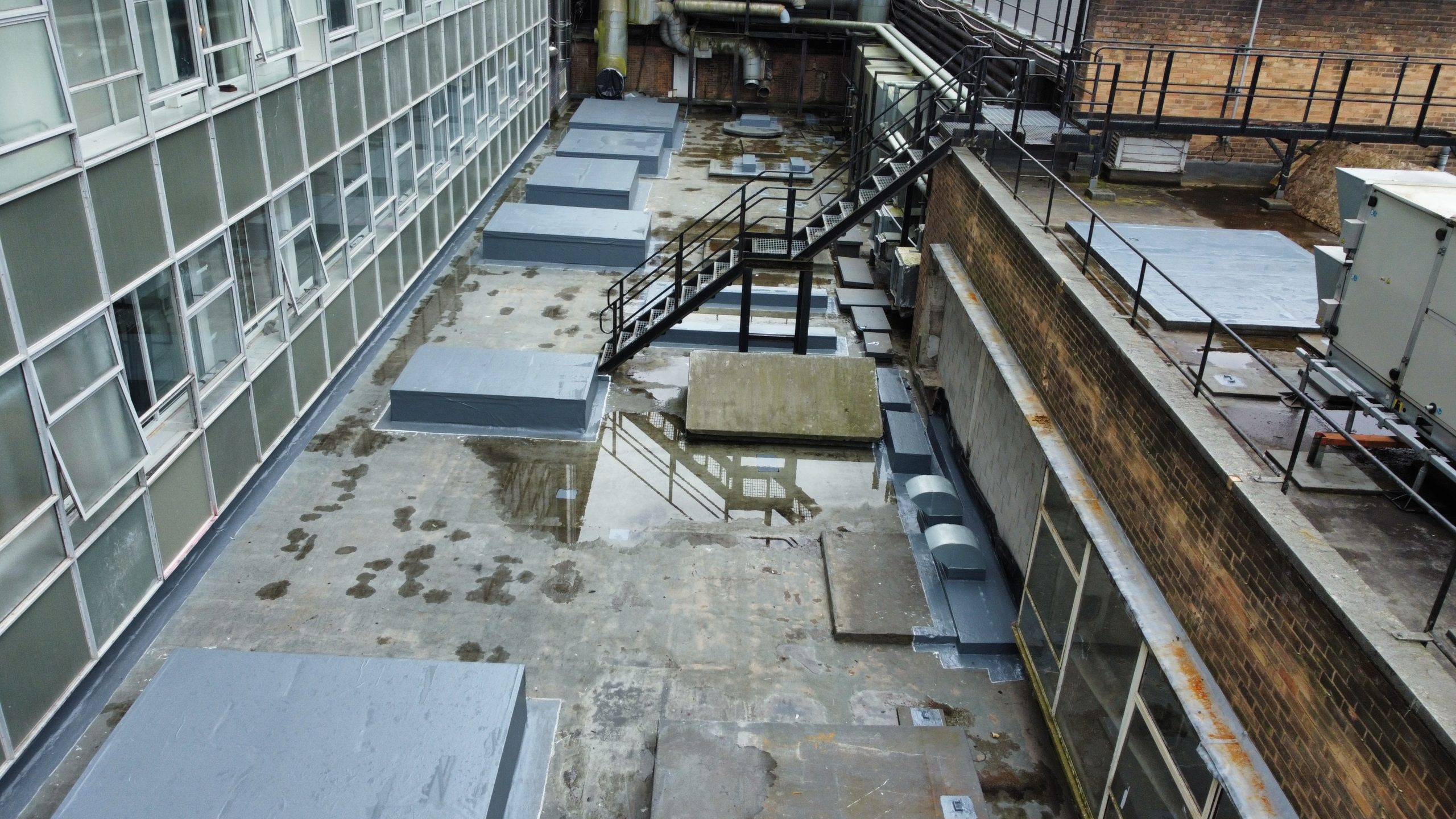
Roofs and rooflights
A claim for substantial roof works needs more scrutiny than simply establishing that a roof is old or leaking.
We may consider:
- Roof construction
- Age and previous repairs
- Nature and extent of deterioration
- Localised versus systemic failure
- Coating breakdown
- Cut-edge corrosion
- Laps and fixings
- Rooflights
- Gutters and drainage
- Penetrations
- Remaining serviceability
- Appropriate repair methodology
An ageing roof is not automatically a failed roof, and deterioration does not automatically justify complete replacement.
Equally, where widespread deterioration genuinely means replacement is required to achieve the tenant’s contractual standard, that needs to be recognised.
The objective is a technically supportable position rather than simply arguing for the cheapest remedy.
Cladding and external envelopes
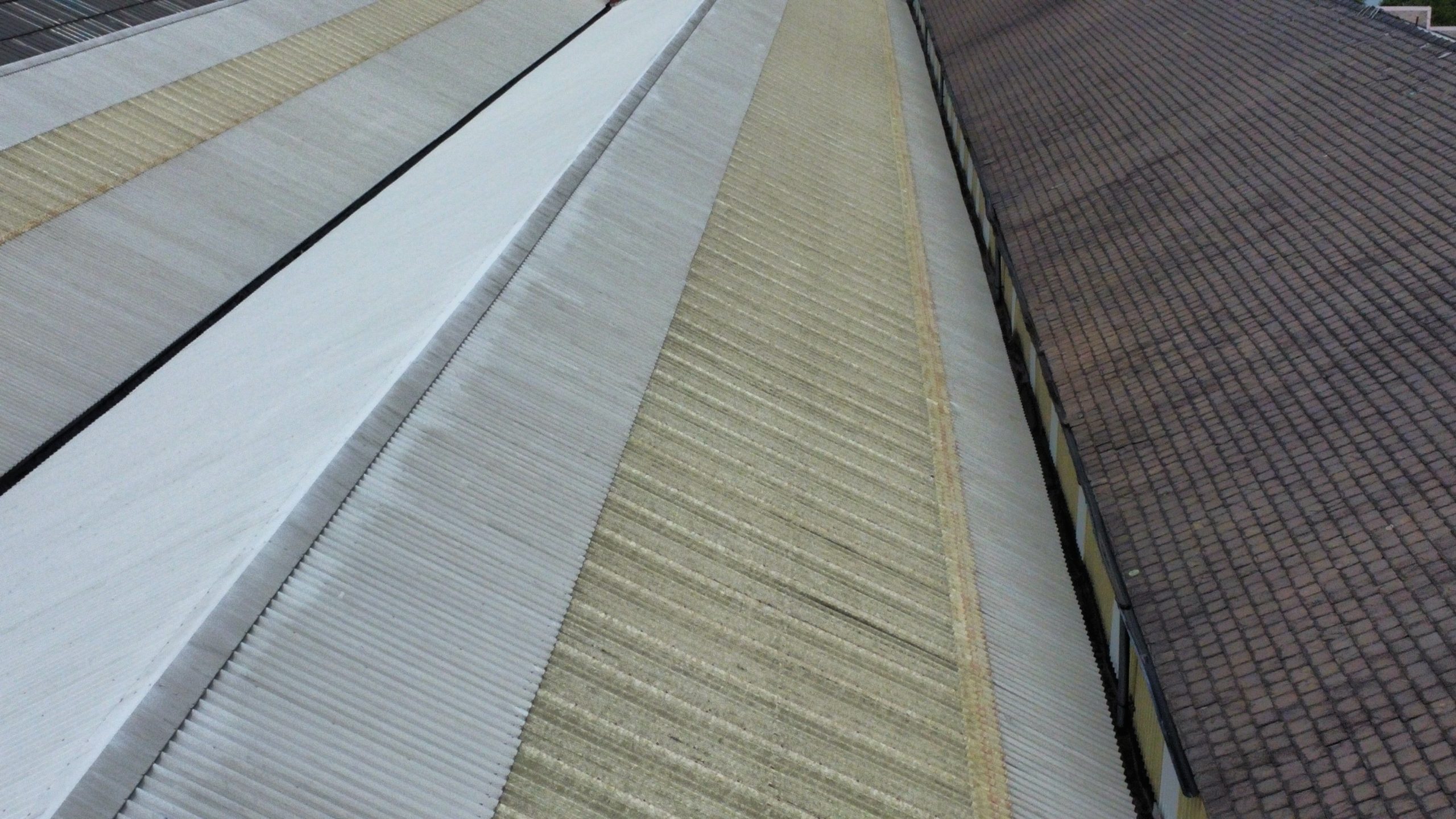
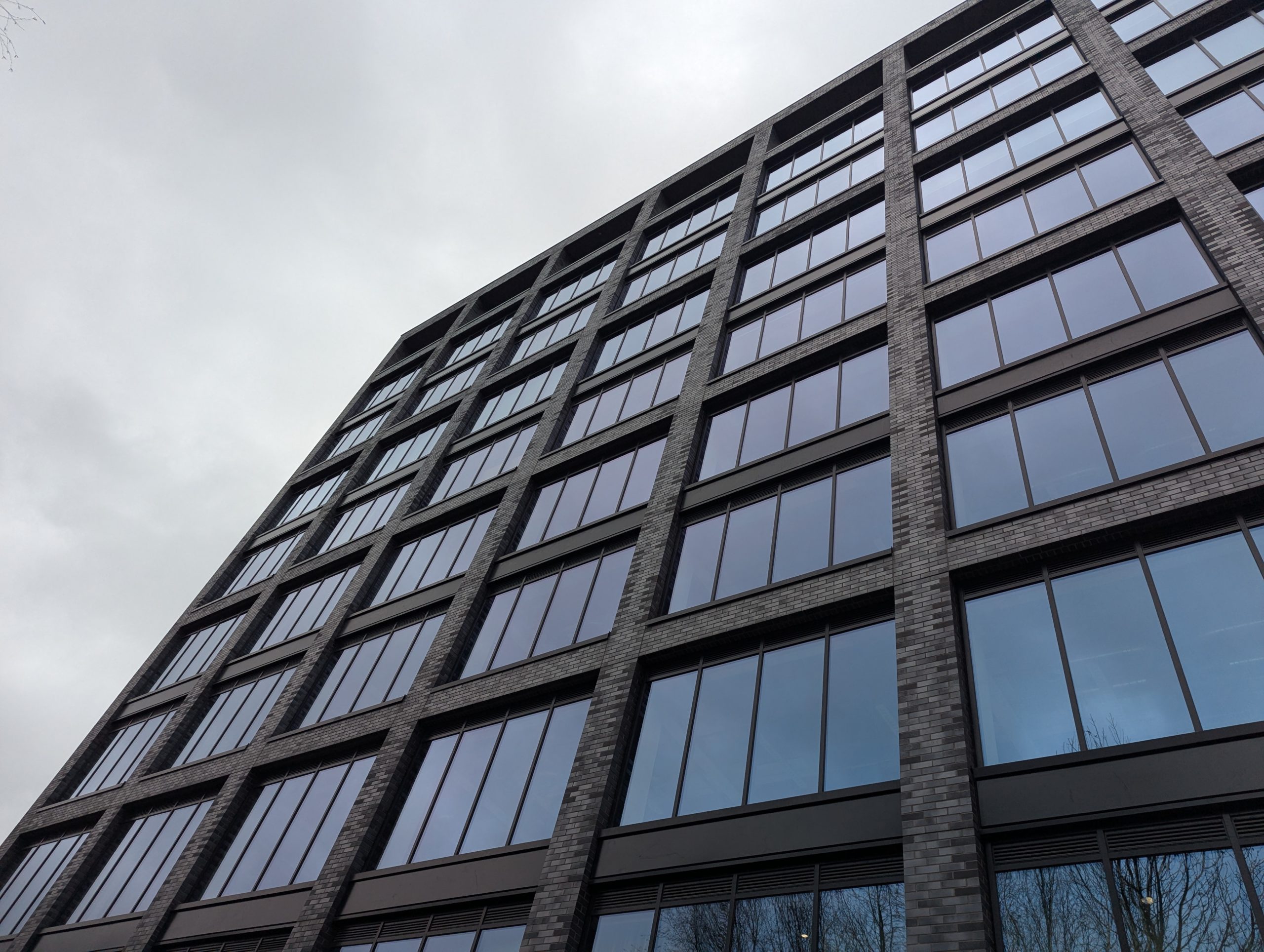
Claims involving profiled metal cladding, composite panels, masonry or rendered elevations may require assessment of:
- Cut-edge corrosion
- Coating deterioration
- Impact damage
- Failed sealants
- Panel joints
- Fixings
- Localised water ingress
- Previous repairs
- Isolated versus widespread deterioration
The appropriate remedy might involve anything from localised repair and recoating through to component replacement, depending on what is actually defective.
Concrete floors and external hardstanding
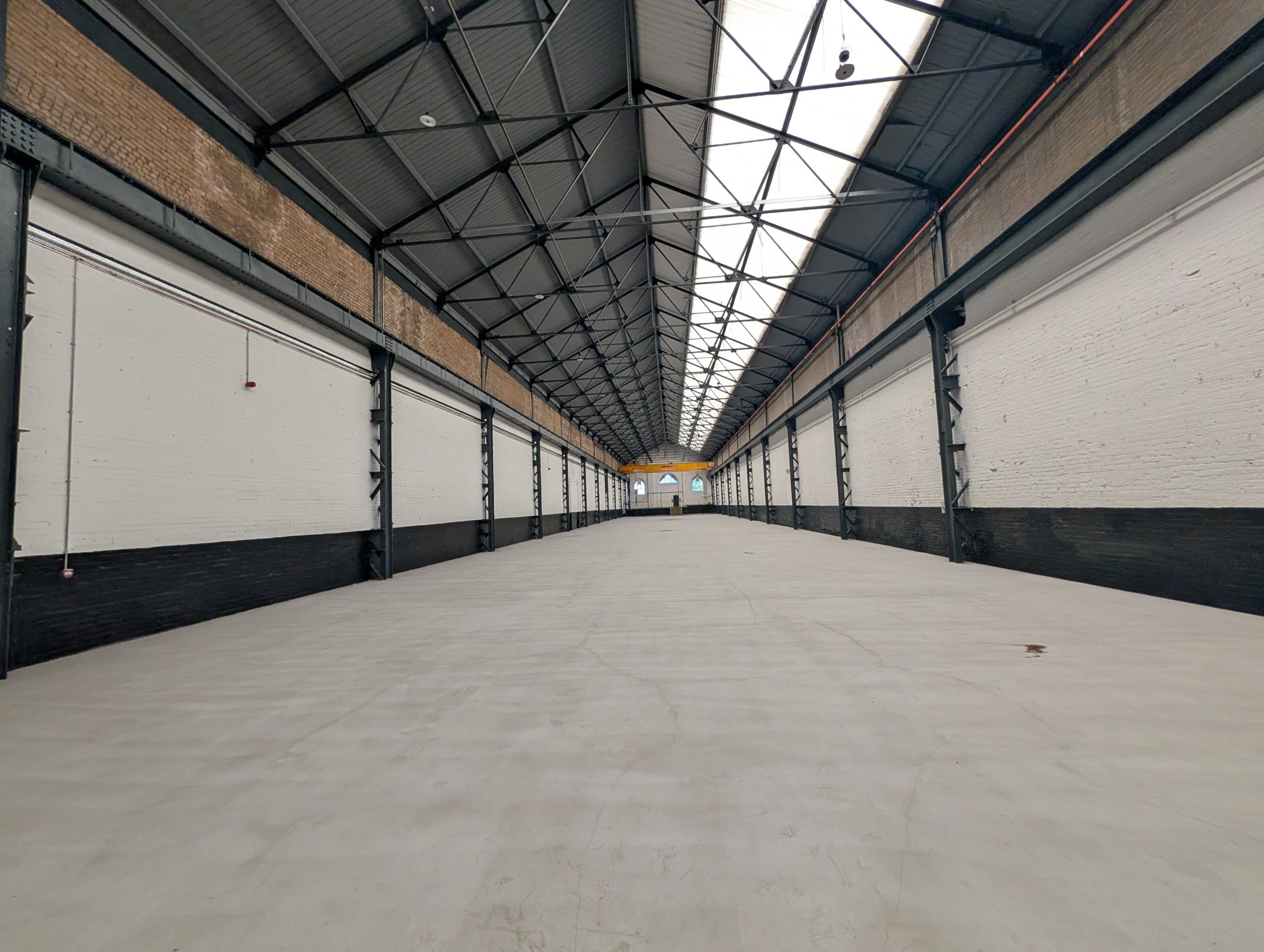
Industrial and logistics tenants can face significant claims involving floor slabs and yards.
We consider:
- Cracking
- Joint failure
- Surface deterioration
- Impact damage
- Local settlement
- Racking fixings
- Machinery bases
- Previous penetrations
- Loading damage
- Patching
- Drainage
- External hardstanding
The landlord’s preferred refurbishment standard should not automatically be confused with the tenant’s contractual repair obligation.
Cladding and external envelopes
Claims involving profiled metal cladding, composite panels, masonry or rendered elevations may require assessment of:
- Cut-edge corrosion
- Coating deterioration
- Impact damage
- Failed sealants
- Panel joints
- Fixings
- Localised water ingress
- Previous repairs
- Isolated versus widespread deterioration
The appropriate remedy might involve anything from localised repair and recoating through to component replacement, depending on what is actually defective.
Windows, doors and loading equipment
Claims can include:
- Personnel doors
- Roller shutters
- Loading doors
- Dock equipment
- Glazing
- Hardware
- Weather seals
- Aluminium or steel windows
We distinguish between maintenance, component repair, local replacement and wholesale renewal.n.
Why choose Fourth Wall for tenant dilapidations?
A strong dilapidations defence is not built by applying a blanket percentage reduction to the landlord’s claim.
It comes from understanding the lease, scrutinising the building and proposed remedies in detail, and developing a commercially credible position on every item.
Item-by-item scrutiny of the claim
We review a Schedule of Dilapidations line by line.
For each item, we consider:
- What obligation is actually being relied upon
- Whether a genuine breach exists
- What evidence supports or challenges it
- Whether the proposed remedy is technically appropriate
- Whether the scope goes beyond repair into renewal or improvement
- Whether the quantity and cost are reasonable
- Whether landlord works may supersede the item
- What loss the landlord can properly demonstrate
This avoids the crude approach of simply applying a percentage reduction to the headline claim.
Where an item is properly founded, we say so. Where it is technically, contractually or financially overstated, we explain why and challenge it.
Extensive commercial dilapidations experience
Our surveyors advise on dilapidations from both sides of the lease, acting for landlords and tenants across industrial, logistics, office, retail, hospitality and specialist commercial property.
That experience gives us an understanding of how claims are constructed, where disputes typically arise and the evidence likely to be relied upon by an experienced surveyor on the other side.
It also means we can distinguish between points worth pursuing and arguments that are unlikely to materially improve the tenant’s position.
Strong knowledge of dilapidations case law and principles
Dilapidations cannot be considered solely as a construction-cost exercise.
Our advice is informed by the established principles that shape commercial dilapidations claims, including repair versus renewal, supersession, diminution, the landlord’s intentions, appropriate remedies and the statutory limitations applying to certain repair claims.
We understand the relevance of the underlying case law and professional guidance to the surveying issues, while recognising the boundary between building surveying and legal advice.
Where legal interpretation or specialist valuation evidence is required, we work alongside the tenant’s solicitor and other advisers.
Balanced professional advice with the commercial outcome treated as if it were our own business
We are appointed to protect our client’s position, but that does not mean automatically rejecting every item in the landlord’s Schedule.
An indiscriminate defence can waste time, weaken credibility and distract from the issues that genuinely affect the settlement.
We take a balanced professional view of the evidence, conceding properly founded items while robustly challenging those that are unsupported, excessive or technically inappropriate.
At the same time, we approach the commercial decision as though the money were coming from our own business.
That means asking:
Would we spend the money on these works?
Would we accept this claimed remedy?
Would we settle this item now or continue to challenge it?
Is the cost of pursuing the point proportionate to the likely saving?
The objective is not simply to produce a technically correct Scott Schedule. It is to achieve the best commercially sensible outcome for the tenant.
ESG and sustainable dilapidations conscious
Traditional lease-end reinstatement can create significant waste.
Perfectly serviceable partitions, ceilings, floor finishes, lighting and other fit-out can sometimes be removed only for similar materials to be installed again for the next occupier.
Where the lease, landlord’s intentions and commercial circumstances allow, we consider whether a more sustainable solution can also produce a better commercial outcome.
This may include:
- Retaining useful fit-out by agreement
- Avoiding unnecessary strip-out and reinstatement
- Repairing rather than replacing serviceable building elements
- Considering reuse before disposal
- Challenging unnecessary replacement where repair is technically appropriate
- Coordinating tenant and landlord works to avoid duplication
Sustainability does not override the lease obligations, but avoiding unnecessary work can reduce both cost and embodied carbon.
Proven commercial results
Our advice is measured by more than the quality of the report.
We focus on the eventual commercial outcome.
In our industrial tenant dilapidations instruction in Essex, Fourth Wall reviewed and negotiated a landlord’s claim approaching £497,000, which was ultimately settled at £100,000 within three months.
That represented a reduction of approximately 79% while providing the tenant with certainty and avoiding a prolonged dispute.
Our approach is to combine technical scrutiny, evidence, dilapidations principles and commercial negotiation to achieve results that can be clearly demonstrated rather than simply claimed.
Real Buildings. Real Insight.
How we deliver clarity, value and strategic advice across the UK.
Our case studies show how Fourth Wall works in practice from navigating complex dilapidations claims and delivering development monitoring for commercial clients, to guiding heritage refurbishments and producing detailed RICS building surveys. Explore how we help landlords, asset managers, occupiers and developers make confident, informed decisions about the buildings they own, manage or occupy.

Repair is not the same as improvement
Dilapidations should not become a mechanism for upgrading a property to the landlord’s preferred refurbishment specification at the outgoing tenant’s expense.
The distinction between repair, renewal and improvement can therefore be important.
For example:
Existing roof: localised coating failure, deteriorated laps and isolated water ingress.
Claimed solution: complete replacement roof covering.
The questions should include:
- Is wholesale replacement technically necessary?
- Could an appropriate repair achieve the contractual standard?
- Is the replacement partly driven by age or the landlord’s future plans?
- Would the proposed system materially improve the building beyond the existing standard?
Likewise:
Existing lighting: older but operational installation.
Claimed solution: complete LED replacement.
The fact that LED lighting is more efficient does not itself establish that complete replacement represents the correct remedy for a lease breach.
The technical assessment needs to come first.
Not every defect has been caused by the tenant
Understanding why a defect exists can be essential to determining whether the alleged breach and remedy make sense.
Water staining, for example, might arise from:
- Roof-covering failure
- Blocked rainwater goods
- Defective cladding joints
- Condensation
- Historic leakage
- A landlord-retained element
- Tenant alterations
Cracking might arise from:
- Shrinkage
- Thermal movement
- Impact damage
- Joint failure
- Alterations
- Structural movement
The defect, its cause and the tenant’s actual contractual responsibility should be considered together.
“The biggest returns in dilapidations often come from acting before the problem becomes a claim. Early advice gives us time to understand the liability, challenge the assumptions, plan the right works and negotiate from a position of strength. A relatively modest investment in proactive advice can prevent significant unnecessary expenditure later, our focus is always on generating a return for the client that materially exceeds the cost of our involvement.”
Pete Nichols BSc (Hons) MRICS, Director – Fourth Wall Midlands

What happens after you receive a Schedule of Dilapidations?
1. Document review
We review the landlord’s Schedule together with:
- Lease
- Quantified Demand
- Schedule of Condition
- Licences for Alterations
- Plans
- Maintenance records
- Correspondence
- Available historic evidence
2. Property inspection
Where access remains available, we inspect the premises against the landlord’s Schedule.
We do not simply photograph the alleged defects. We consider their nature, extent, cause and proposed remedy.
3. Technical and contractual assessment
Each claim item is assessed against:
Obligation → breach → evidence → remedy → cost → landlord intention → supersession → loss
4. Tenant strategy
We identify which matters should be:
- Accepted
- Challenged
- Further investigated
- Repriced
- Undertaken before expiry
- Negotiated
- Referred for legal, valuation or specialist advice
5. Tenant’s Response
For a terminal claim, a substantive Response should explain the tenant’s position on the individual Schedule items rather than simply state that the overall claim is rejected.
The relevant process is set out in the Dilapidations Protocol.
The respective surveyor positions are commonly developed within a Scott Schedule.
6. Surveyor-to-surveyor negotiation
The objective is to narrow the disagreement to the genuine technical and financial issues.
A credible tenant response should recognise properly founded landlord items as well as challenge those that are unsupported or excessive.
7. Settlement or dispute resolution
Where agreement cannot be reached through negotiation, the parties may consider mediation or another form of Alternative Dispute Resolution.
RICS operates a dedicated Dilapidations Dispute Resolution Scheme.
Should you do the works or negotiate a settlement?
There is no universal answer.
The right strategy depends on the building, lease, landlord’s plans, time remaining and strength of the respective positions.
Undertaking the works may make sense where
Liability is relatively clear, adequate time remains and you can procure the works competitively.
It can allow you to control:
- Contractor appointment
- Programme
- Scope
- Cost
- Quality
- Evidence of completion
This can be particularly valuable where significant works are required to satisfy a break condition or handover requirement.
Negotiating may make more sense where
The landlord plans substantial refurbishment, liability is genuinely disputed, the lease is close to expiry or significant reinstatement may be superseded.
A financial settlement can also provide certainty where undertaking works carries greater programme or procurement risk.
The important thing is to make this decision early enough to retain both options.
Read our guide to negotiating commercial dilapidations.
Does your Schedule of Condition help?
Potentially and on some claims, significantly.
Where the lease properly limits repairing obligations by reference to a Schedule of Condition, it can provide important evidence of the condition the tenant was not obliged to improve beyond.
We consider:
- What the Schedule actually records
- Which areas were included
- Whether the alleged defect existed at commencement
- Whether its extent was clearly recorded
- Which lease obligations are limited by reference to the Schedule
- Whether the property has deteriorated beyond the recorded baseline
A Schedule containing clear written descriptions and properly located photographs is generally more useful than a simple folder of images.
Read our guide to Schedule of Condition vs Schedule of Dilapidations.
Taking another commercial lease?
The best time to reduce future dilapidations exposure is before you sign.
See our Commercial Pre-Lease Survey and Commercial Schedule of Condition services.
Approaching a break date? Treat it differently from normal lease expiry
Break clauses can create additional risk because the tenant may need to satisfy specific contractual conditions for the break to be effective.
Start early.
Our role can include:
- Inspecting the premises
- Assessing outstanding repair
- Reviewing reinstatement requirements
- Identifying relevant tenant fixtures
- Developing a works programme
- Monitoring completion
- Recording condition before the break date
Your solicitor should separately advise on the legal requirements for exercising the break, including notice requirements and other conditions.
Read our guide to lease clauses that can create unexpected dilapidations costs.
Negotiating a lease surrender? Deal with dilapidations as part of the deal
If you are leaving early by agreement with the landlord, do not assume that surrender automatically extinguishes dilapidations.
The surrender negotiations should expressly address:
- Existing repair liability
- Reinstatement
- Alterations
- Outstanding breaches
- Any agreed works
- Any financial settlement
- The extent of the landlord’s release
Your solicitor should lead the surrender documentation, with the building surveyor providing the technical and cost advice needed to understand the property liability forming part of the deal.
When should tenants start planning for lease expiry?
18–24 months before expiry
For larger, complex or heavily altered properties, consider an early Dilapidations Liability Assessment.
This can identify:
- Existing disrepair
- Likely reinstatement
- Decoration
- M&E issues
- Long-lead works
- Budget exposure
- Missing information
- Areas requiring specialist advice
This is also the stage to decide whether your wider strategy is likely to be:
Renew → Relocate → Surrender → Break
Around 12 months before expiry
Agree the lease-exit strategy.
Establish:
- What works are genuinely likely to be required
- What alterations may need removal
- What discussions should take place with the landlord
- Whether fit-out might be retained
- Contractor procurement requirements
- Budget approval
- Whether financial negotiation might represent the better outcome
Around 6 months before expiry
Works and negotiations should normally be progressing rather than only beginning.
Confirm:
- Contractor programmes
- Reinstatement requirements
- Outstanding licences
- Repair progress
- Photographic evidence
- Landlord inspection arrangements
- Handover strategy
At lease expiry
Create a clear record of:
- Final condition
- Completed works
- Outstanding items
- Keys and access
- Alterations retained by agreement
- Handover information
After expiry
Where a Schedule and Quantified Demand are served, review them promptly and prepare a properly evidenced Response.
Read our Tenant’s Checklist Before Vacating a Commercial Property Lease.
Need to budget for dilapidations before a claim arrives?
You do not have to wait for the landlord’s Schedule to understand potential exposure.
A Dilapidations Liability Assessment can give your business an early, costed view of potential lease-end obligations.
This can assist with:
- Internal budgeting
- Property strategy
- Relocation planning
- Contractor procurement
- Business cases
- Lease-exit decisions
- Discussions with finance teams
Our assessment can distinguish between:
Gross potential works
The physical works that may be required to achieve the relevant lease standard.
Areas of uncertainty
Items dependent on documents, further investigation or specialist advice.
Potential negotiating issues
Matters where landlord intentions, existing evidence, proposed remedy or other considerations may materially affect the position.
Works worth addressing now
Repairs or maintenance that may be more cost-effective to undertake during occupation while you retain control of the premises.
Your accountant should separately advise on the appropriate accounting treatment of any provision or potential liability.
Tenant dilapidations case studies
Tenant Dilapidations Negotiation | Industrial Unit, Essex
79% reduction in landlord’s dilapidations claim
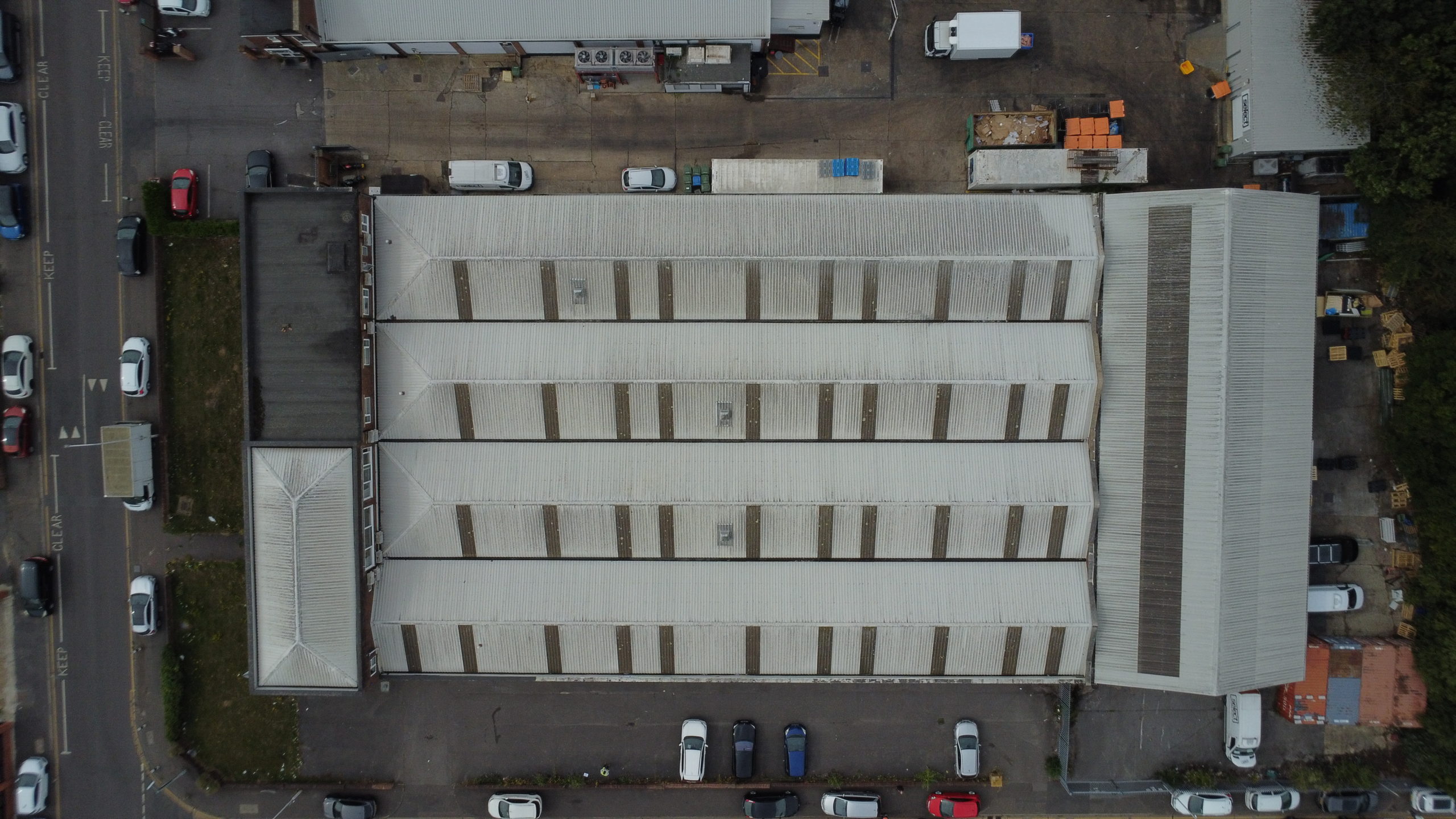
Fourth Wall acted for the tenant of a c.24,650 sq ft industrial warehouse in Essex at lease expiry, following receipt of a landlord’s claim approaching £497,000.
We reviewed the lease and technical merits of the claim, considered the landlord’s likely future use of the property and the relevance of Section 18(1), and led negotiations through the Scott Schedule process.
The claim was ultimately settled at £100,000 within three months, providing the tenant with cost certainty and avoiding a prolonged dispute.
£497k initial claim | £100k settlement | c.79% reduction
Tenant Dilapidations Negotiation | Leeds City Centre Offices
£77,000 reduction in landlord’s dilapidations claim in 12 weeks

Fourth Wall acted for Northpoint, a mental health charity occupying four floors of Leeds Bridge House in Leeds city centre, following receipt of a landlord’s dilapidations claim of approximately £140,000.
The occupation comprised several leases with differing terms, and undertaking substantial remedial works before departure was impractical while the charity remained operational. We reviewed the individual lease obligations, inspected the premises, scrutinised the technical merits and costs within the claim, and developed a negotiation-led lease-exit strategy.
The claim was ultimately settled at approximately £63,000 within 12 weeks, reducing the tenant’s liability by £77,000, or approximately 55%, and allowing a significant proportion of the provision to remain available for the charity’s core services.
£140k initial claim | c.£63k settlement | £77k / 55% reduction | 12 weeks to settle
Ready to understand your dilapidations liability?
Speak to a Chartered Building Surveyor before you repair, reinstate or settle
If your lease is approaching expiry, you are planning a break, or you have already received a Schedule of Dilapidations, early advice can give you more options.
Fourth Wall can review the lease and supporting documents, inspect the property, scrutinise the landlord’s claim item by item and advise on the most appropriate strategy, whether that means undertaking works, challenging particular items, negotiating a settlement or bringing in specialist legal or valuation advice.
If you already have a Schedule, send it to us with your lease and any Schedule of Condition or Licences for Alterations. We can review the information and recommend the appropriate scope.
“A dilapidations claim can look definitive when it first lands, but the headline figure is only the starting point. Our job is to understand the lease, scrutinise the technical basis of each item and work out where the tenant should repair, challenge or negotiate. The strongest commercial outcome usually comes from getting that strategy right early.”
Joshua Weston BSc(Hons) MRICS, Director – Fourth Wall Lead Director
RICS Appointed Member of the Professional Group Panel for Building Surveying & Building Control


Tenant Dilapidations FAQs
Browse some of the common questions that our team are asked when it comes to tenant dilapidations.
Do not assume that every item or cost shown is automatically payable.
A Schedule of Dilapidations sets out the landlord’s position on alleged breaches of the lease. The first step is to review it against the lease, any Schedule of Condition, Licences for Alterations, the actual condition of the property and the landlord’s proposed remedy.
A tenant-side surveyor can then identify which items appear properly founded, which require further investigation and which should be challenged or negotiated.
If you have already received a claim, send us the Schedule, lease and supporting documents and we can advise on the appropriate next step.
Read our guide to responding to a Schedule of Dilapidations
No, not simply because the landlord has claimed it.
The headline amount may include alleged repair, decoration and reinstatement works, professional fees and other claimed losses. Each element still needs to be considered against the tenant’s actual obligations, the technical merits of the proposed remedy, reasonable costs and the landlord’s proper loss.
In our Essex industrial tenant case study, a landlord’s claim approaching £497,000 was ultimately settled at £100,000. In our Leeds office case study, a £140,000 claim was reduced by £77,000.
Those outcomes do not imply that every claim can be reduced by a similar percentage; each case depends on its own facts.
Yes, where there are legitimate technical, contractual or evidential grounds.
An individual item might be challenged because there is no relevant breach, a Schedule of Condition limits the tenant’s obligation, the proposed remedy is excessive, the claimed quantity or cost is unreasonable, or the landlord’s intended refurbishment affects the claimed work.
A credible tenant response should not simply reject everything. Properly founded items should be recognised while unsupported or disproportionate items are challenged with evidence.
There is no credible standard percentage reduction.
The strongest reductions usually come from scrutinising the claim item by item and establishing whether:
The tenant is actually liable
A genuine breach exists
The proposed repair is technically necessary
The scope represents repair rather than improvement
Quantities and costs are reasonable
The landlord intends to carry out the work
Landlord refurbishment creates supersession issues
Diminution or other limitations on loss are relevant
Our approach is to build the strongest technically supportable position rather than start with a target discount.
It depends on the circumstances.
Undertaking works can allow you to control the contractor, scope, programme and cost. It may be particularly appropriate where liability is relatively clear and sufficient time remains before expiry.
Negotiation may make more sense where the landlord intends substantial refurbishment, some of the claimed work may be superseded, liability is genuinely disputed or a financial settlement provides greater certainty.
The important point is to make the decision early enough to preserve both options.
Read more about negotiating commercial dilapidations.
Sometimes, but not always.
A tenant may be able to procure works more competitively than the costs included within a landlord’s claim, particularly where the works can be planned and packaged efficiently.
However, spending money on works that are not actually required, will immediately be removed by the landlord or do not satisfy the relevant lease obligation can be equally expensive.
We therefore recommend establishing what genuinely needs doing before appointing contractors.
The landlord may pursue a terminal dilapidations claim for relevant outstanding breaches after the tenancy ends.
Once you have returned possession, you may also lose the practical opportunity to carry out the works yourself. The issue will then generally need to be addressed through the landlord’s claim and subsequent negotiation.
If expiry is approaching, obtaining advice while you still occupy the property usually provides more strategic options.
For larger, complex or heavily altered premises, starting 12–24 months before lease expiry can be valuable.
That gives you time to understand likely liability, review reinstatement, obtain budgets, procure necessary works and discuss the landlord’s intentions before your options become restricted.
If you have already received a Schedule of Dilapidations, obtain advice promptly rather than waiting until the response period is nearly exhausted.
See our Tenant’s Checklist Before Vacating a Commercial Property Lease.
The answer depends on the lease.
Potential obligations can include repair, maintenance, decoration, removal of alterations, reinstatement of previous layouts, removal of tenant fixtures and making good damage caused by those removals.
The correct starting point is therefore the lease, any alteration documents, the original condition evidence and the current condition of the property.
A landlord’s preferred refurbishment specification should not automatically be treated as the tenant’s required standard.
Not simply because replacement is the landlord’s preferred solution.
A roof claim needs to be considered against the tenant’s repairing obligation, the actual nature and extent of deterioration and the technically appropriate remedy.
For example, localised coating failure, defective laps or individual rooflight deterioration may not necessarily justify wholesale replacement. Conversely, widespread failure may mean more extensive renewal is genuinely required.
The technical assessment should determine the appropriate remedy before the cost is negotiated.
A tenant may be required to carry out substantial works where that is genuinely necessary to satisfy the lease, but dilapidations should not simply become a mechanism for providing the landlord with its preferred improvement at the tenant’s expense.
The distinction between repair, renewal and improvement can therefore be important.
For example, replacing a defective component may be necessary, but specifying a materially enhanced system purely because it better suits the landlord’s future plans may require further scrutiny.
Not literally everything, but a full repairing and insuring lease can place extensive repairing obligations on a commercial tenant.
The precise responsibility depends on the wording of the lease and the extent of the property included within your demise.
Depending on the covenant, you may also be required to put an element into repair even where deterioration existed before occupation.
Read more about commercial tenant repair obligations.
Potentially, and sometimes significantly.
Where the lease properly limits repairing obligations by reference to a Schedule of Condition, it can provide important evidence of the condition the tenant was not required to improve beyond.
However, a Schedule does not automatically limit every separate obligation. Decoration, reinstatement and other lease requirements may still apply depending on the drafting.
Read our guide to Schedule of Condition vs Schedule of Dilapidations.
Possibly.
The lease and any Licences for Alterations should be reviewed to establish what reinstatement is required.
This can include partitions, raised floors, suspended ceilings, flooring, kitchens, cabling, signage and alterations to building services.
Do not assume that fit-out can remain simply because it is in good condition or may benefit the next occupier. Where the landlord agrees to retain it, that agreement should be properly documented.
Potentially.
The answer depends on the lease and the terms under which the racking, mezzanine or other installation was introduced.
Industrial reinstatement can also involve machinery bases, roof penetrations, additional offices, security installations and services.
Because these works can have substantial cost and programme implications, they should be reviewed well before lease expiry.
Not automatically.
What one tenant regards as an improvement may not suit the landlord’s future plans or a subsequent occupier.
The lease and alteration documentation determine the starting position. If the landlord is prepared to retain particular works, seek clear written agreement rather than simply leaving them in place.
Read more about alterations and dilapidations liability.
The landlord’s plans can be highly relevant.
If the landlord intends works that would make some of the tenant’s claimed repairs unnecessary or valueless, supersession may need to be considered.
That does not mean that a vague intention to refurbish automatically removes liability. The position should be supported by evidence of what the landlord genuinely intends to do.
Potentially.
A landlord does not necessarily need to physically complete every claimed repair before a damages claim can exist.
However, the amount claimed still needs to represent the landlord’s properly established loss, and its actual intentions for the property can be relevant.
A claim should therefore not simply assume that the cost of every theoretical work item is automatically recoverable.
A Quantified Demand is the landlord’s statement of the monetary losses being claimed following termination of the tenancy.
It should explain and substantiate the losses claimed rather than simply reproduce the total estimated cost of all items within the Schedule of Dilapidations.
The process is covered by the Dilapidations Protocol.
A Scott Schedule is the working document commonly used by landlord and tenant surveyors during dilapidations negotiations.
It records the parties’ positions against individual items, including areas such as:
Whether the breach is accepted
The appropriate remedy
Alternative technical solutions
Claimed and counter-costs
Reasons for disagreement
This allows negotiations to focus on the genuine differences between the parties.
For terminal claims in England and Wales, the Dilapidations Protocol generally anticipates the tenant providing its substantive Response within 56 days of receiving the landlord’s Quantified Demand.
That is not a reason to wait 55 days before appointing an adviser.
Reviewing the lease, inspecting the building, analysing a substantial Schedule and obtaining specialist advice can take time, so obtain advice promptly.
See the Ministry of Justice Dilapidations Protocol.
Potentially, where a genuine and properly evidenced consequential loss results from the tenant’s breaches.
It is not automatically recoverable simply because remedial works have been identified.
The basis, period and amount of any claimed loss should be examined alongside the landlord’s actual plans and circumstances.
Possibly.
Many commercial leases contain provisions relating to professional costs, but recoverability depends on the lease wording and circumstances.
Professional fees included within a claim should therefore not automatically be accepted without considering their contractual and factual basis.
Your solicitor should advise where detailed legal interpretation is required.
Where a break option is conditional, compliance with repair, reinstatement or other property obligations may become particularly important.
A building surveyor can assess the physical property position, identify works and help plan their completion.
Your solicitor should separately advise on the legal requirements for exercising the break and whether the relevant conditions have been satisfied.
Dilapidations should be addressed expressly as part of the surrender negotiations.
An agreed surrender does not necessarily mean existing repair or reinstatement liabilities automatically disappear.
The parties should establish whether liabilities are being settled financially, works are required, alterations can remain and what release the tenant receives when the surrender completes.
Your solicitor should document the legal agreement, supported by surveying advice on the technical and cost implications.
You can, but claims often involve technical issues that are difficult to assess from the Schedule alone. Tenants who self represent almost always getting a less favourable settlement because they don’t have the expertise or experience.
A claim for roof replacement, cladding works, M&E renewal or widespread reinstatement may require understanding whether the proposed remedy is genuinely necessary and what it should reasonably cost.
A specialist tenant dilapidations surveyor can also structure the response through the Scott Schedule and negotiate directly with the landlord’s surveyor.
Usually, yes, because the roles are different.
Your solicitor advises on legal interpretation and legal strategy.
Your building surveyor deals with issues such as:
Physical condition
Technical breach
Repair methodology
Reinstatement
Quantities
Costs
Scott Schedule negotiation
Complex claims may also require valuation, M&E, structural or other specialist advice.
Yes.
We can undertake a Dilapidations Liability Assessment before lease expiry to provide an early view of likely repair and reinstatement exposure.
This can help with internal budgeting, relocation planning, contractor procurement and deciding whether particular works are better undertaken before possession is returned.
For larger or complex premises, this is often most useful when undertaken well before the final months of the lease.
Yes, where separately instructed.
If undertaking works represents the better commercial strategy, we can assist with scope definition, repair specifications, budgeting, tendering, contractor procurement and delivery through our Project Management and Contract Administration services.
The objective is to make sure money is spent on works that genuinely help satisfy the relevant obligations rather than simply completing everything listed by the landlord.
Yes.
Fourth Wall provides tenant dilapidations advice across the UK for industrial, logistics, office, retail, hospitality, education and specialist commercial properties.
Our wider Commercial Dilapidations service covers both landlord and tenant representation on separate instructions.
The fee depends on the property and stage of the claim.
A pre-expiry liability assessment requires a different scope from defending a substantial terminal claim involving hundreds of Schedule items and several rounds of negotiation.
Relevant factors include the property size and type, claim value, complexity of the lease, alterations, available documentation, extent of costing required and whether specialist input is necessary.
Send us the Schedule, lease and property information and we can recommend an appropriate scope and provide a clear fee proposal.
Local Knowledge
National Coverage.
We have surveyors based across England in our regional offices. With expert knowledge of their local areas, you know you’re in safe hands.
Fourth Wall // South East
Areas We Cover
London
Mayfair
Pimlico
Kensington
Westminster
Lambeth
Islington
Enfield
Camden
Barnet
Belsize Park
Hampstead Heath
Finsbury Park